


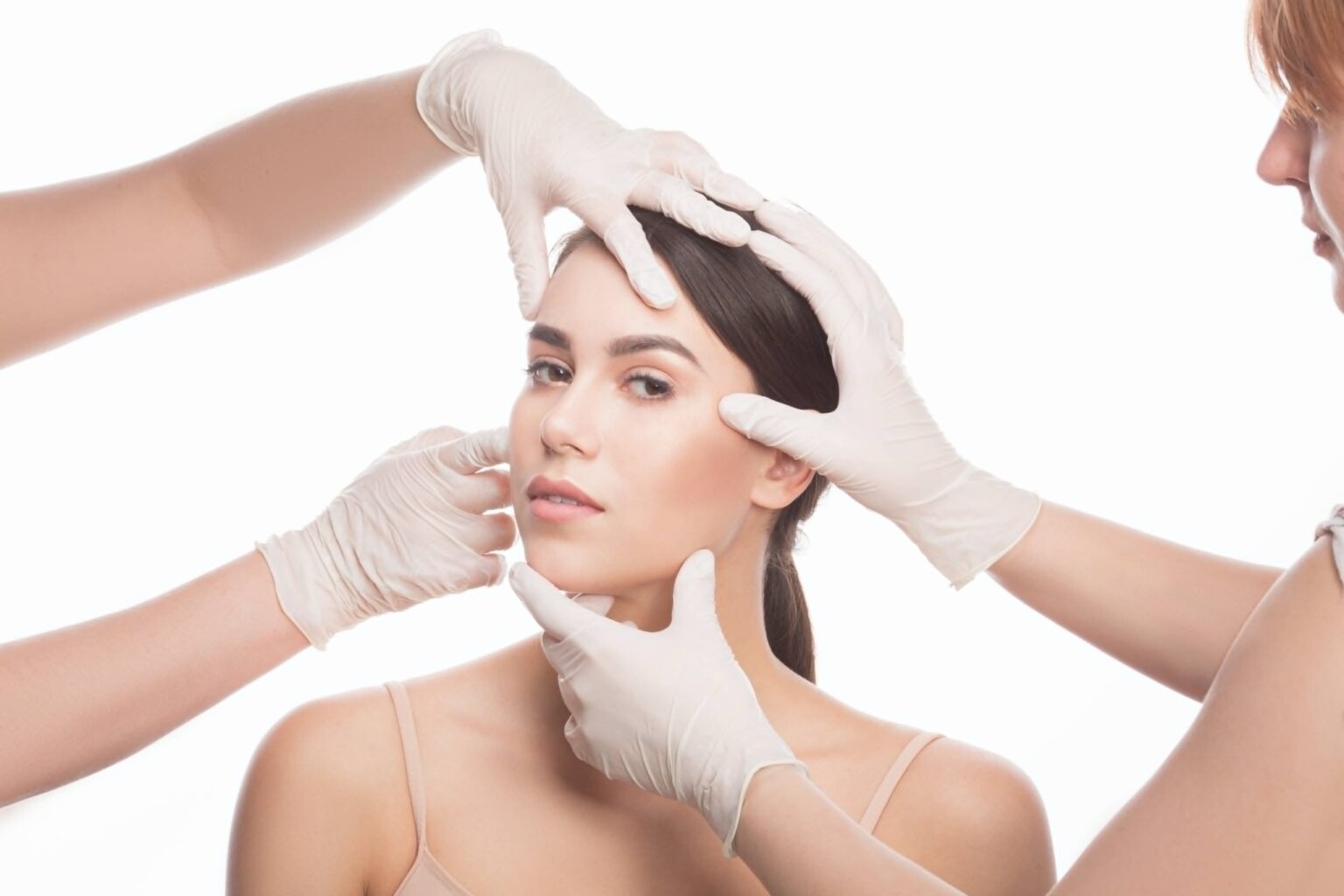
If you are comparing Sofwave vs Ultherapy, Morpheus8 vs Ultherapy, or Oligio vs Ultherapy before booking a skin tightening treatment in Thailand, you are looking at four of the most talked about non-surgical lifting devices on the market right now. Bangkok clinics have added these newer machines alongside the original Ultherapy platform, and each one delivers energy to the skin in a different way. Our guide to HIFU vs Ultherapy vs Thermage in Thailand already compares the earlier generation of devices. This article breaks down the newer options, Sofwave, Morpheus8, and Oligio, so you understand exactly how each one compares to Ultherapy before you spend your money.
How Each Technology Actually Works
Before comparing results, it helps to understand what each device is actually doing under your skin. Although Ultherapy, Sofwave, Morpheus8, and Oligio all aim to tighten skin by triggering new collagen production, they use different types of energy and reach different depths. Ultherapy and Sofwave both use ultrasound, but at very different depths. Morpheus8 physically punctures the skin with microneedles to deliver radiofrequency energy underneath the surface, and Oligio delivers radiofrequency energy without any needles at all.
Ultherapy holds FDA clearance specifically to lift the brow, tighten skin under the chin and on the neck, and improve lines and wrinkles on the décolletage, based on U.S. Food and Drug Administration device clearance records. A peer-reviewed review of microfocused ultrasound published through the National Library of Medicine describes the technology’s ability to remodel collagen and elastin at depths standard skincare cannot reach.
| Device | Energy Type | Skin Penetration | Typical Depth |
|---|---|---|---|
| Ultherapy (SPT / Prime) | Micro-focused ultrasound with visualization (MFU-V) | No | 1.5mm to 4.5mm, reaching the SMAS layer |
| Sofwave | Synchronous ultrasound (SUPERB) | No | About 1.5mm, mid-dermis only |
| Morpheus8 | Radiofrequency microneedling | Yes, microneedles | Up to 8mm, adjustable |
| Oligio | Monopolar radiofrequency | No | Dermis to subcutaneous layer |
Sofwave vs Ultherapy: Comfort, Depth and Results
Sofwave vs Ultherapy is probably the most common comparison patients ask about, since both use ultrasound energy and are FDA cleared for non-surgical skin tightening. The difference comes down to depth. Sofwave’s SUPERB technology sends energy to a consistent depth of around 1.5mm in the mid-dermis, the layer where collagen and elastin are produced. Ultherapy goes much deeper, reaching 1.5mm, 3.0mm, and 4.5mm depending on the transducer used, and it remains the only one of the two cleared to treat the SMAS layer, the same connective tissue plane addressed during a surgical facelift.
That depth difference shapes who each treatment suits. Sofwave tends to work well for patients in their late 20s to early 40s who want firmer, smoother skin without significant sagging. Because the treatment stays closer to the surface, most patients describe it as noticeably more comfortable than Ultherapy, and a full face session typically runs 30 to 45 minutes. Ultherapy is the better fit for patients with visible sagging along the jawline, neck, or brow, since it can lift tissue rather than just tighten the skin’s texture.
One clinical trial comparing radiofrequency and focused ultrasound published through the National Library of Medicine found the ultrasound group showed greater improvement in the mid-face and lower face at one-month follow-up.
Results also arrive on different timelines. Sofwave patients often see initial improvement within 2 to 4 weeks, with results maturing over about 3 months and lasting 8 to 12 months. Ultherapy results build more slowly, usually becoming visible between 2 and 6 months as new collagen forms, but they tend to last 1 to 2 years. If your main concern is early skin quality rather than structural sagging, Sofwave is worth discussing with your clinic. For a deeper lift, Ultherapy is still the stronger option, and you can read more in our guide to non-surgical face lifting in Thailand.
Morpheus8 vs Ultherapy: Texture and Contouring vs Deep Lifting
Morpheus8 vs Ultherapy comes up often because the two treatments solve different problems, even though both fall under the skin tightening umbrella. Morpheus8 combines microneedling with radiofrequency energy delivered through tiny needles, reaching up to 8mm beneath the skin depending on the settings your provider chooses. Because the needles physically create controlled micro-injuries, Morpheus8 triggers a wound healing response on top of the usual collagen stimulation, which makes it effective for acne scars, enlarged pores, and uneven texture, not just sagging.
Ultherapy skips the needles entirely. It uses focused ultrasound to heat tissue at a precise depth without breaking the skin’s surface, so there is no bleeding, no visible injury, and typically no downtime. Morpheus8 usually causes redness and mild swelling for one to three days, and results become visible within three to four weeks, continuing to improve for up to three months. Ultherapy has no visible downtime, but results take longer to show, typically three to six months, since the collagen rebuild happens deeper in the tissue.
- Choose Morpheus8 if: your main concerns are texture, scarring, pore size, or an area beyond the face and neck.
- Choose Ultherapy if: you are dealing with sagging along the jawline or a loosening neck and want an actual lift.
Some Bangkok clinics also offer RF microneedling devices like Potenza as a Morpheus8 alternative, so it is worth asking your clinic which specific RF microneedling platform they use before booking.
Oligio vs Ultherapy: Gentle RF Maintenance vs Structural Lift
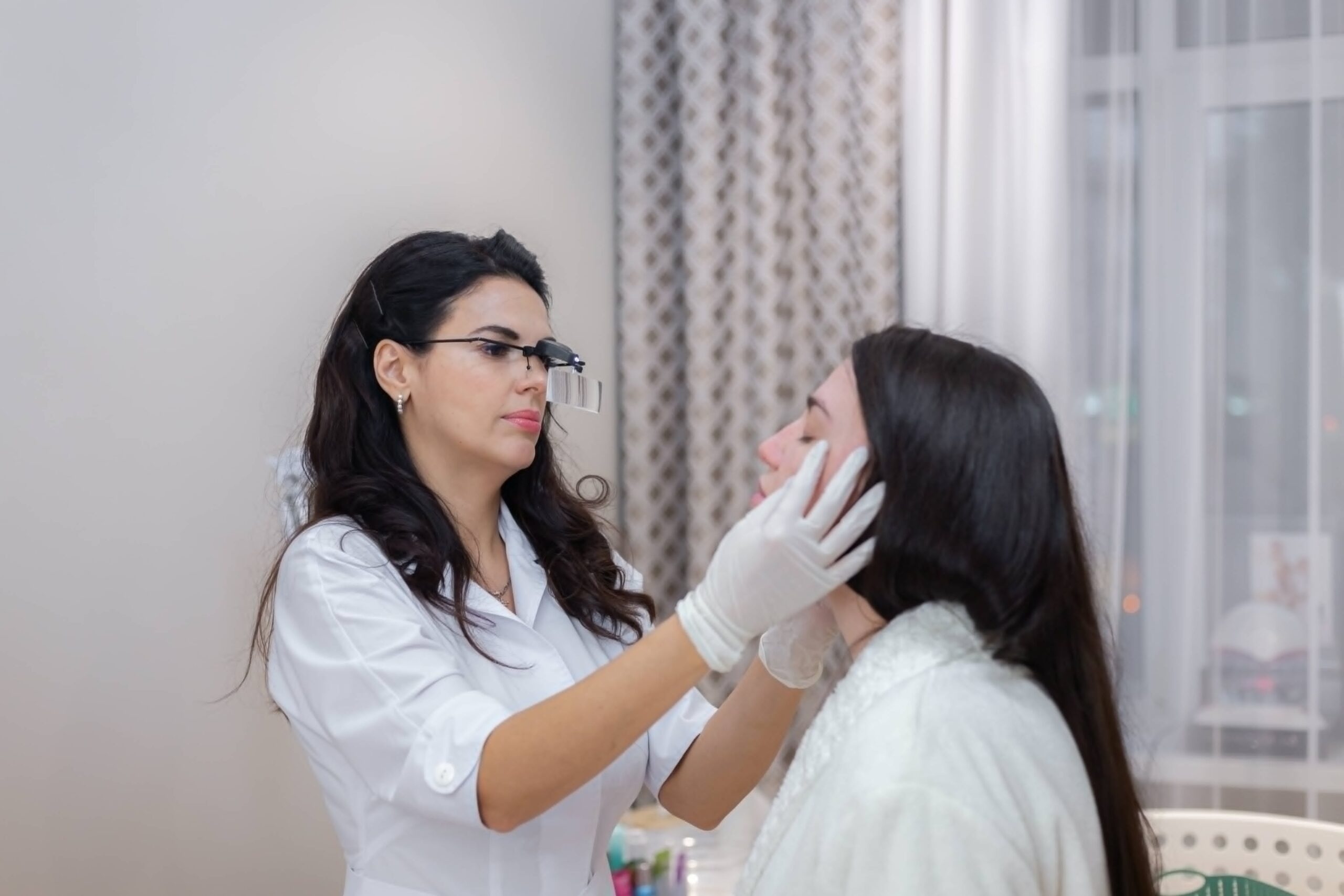
Oligio vs Ultherapy is a newer comparison in Thailand, since Oligio only became widely available in Bangkok clinics over the past couple of years. Oligio uses monopolar radiofrequency energy to heat the dermis and upper subcutaneous layer without needles, and it is consistently described as the most comfortable of the newer lifting devices, often producing only a gentle warming sensation during treatment.
The tradeoff is depth. Oligio does not reach the SMAS layer, so it works best for patients with early sagging, enlarged pores, or a general loss of skin firmness rather than significant jowl or neck laxity. Ultherapy remains the better option when the goal is a visible lift rather than a tightening effect. In Bangkok, many clinics position Oligio as a maintenance treatment, recommending it every 6 to 12 months to extend results between Ultherapy sessions, since the two devices work at different tissue depths and are not really competing for the same job.
Results from Oligio typically appear within a few weeks and last around 6 to 12 months, shorter than Ultherapy’s typical 1 to 2 year results, but sessions are quicker and considerably less expensive per visit. If you are early in your aging process and want a low-commitment way to maintain your skin, Oligio is worth a conversation with your clinic. If you already have visible sagging, Ultherapy is still the treatment more likely to deliver the lift you are looking for.
Ultherapy vs Sofwave vs Morpheus8 vs Oligio: Side-by-Side Comparison
Once you understand how each device works individually, it helps to see them side by side. The table below summarizes the key differences across depth, comfort, downtime, and how long results typically last.
| Feature | Ultherapy | Sofwave | Morpheus8 | Oligio |
|---|---|---|---|---|
| Reaches SMAS layer | Yes | No | No | No |
| Needle penetration | No | No | Yes | No |
| Downtime | None | None | 1 to 3 days | None to minimal |
| Pain level | Moderate to high | Low to moderate | Moderate | Low |
| Results begin | 2 to 6 months | 2 to 4 weeks | 3 to 4 weeks | 2 to 4 weeks |
| Results typically last | 1 to 2 years | 8 to 12 months | 1 to 3 years | 6 to 12 months |
| Best suited for | Structural sagging, jawline, neck | Early laxity, skin quality | Texture, scarring, body areas | Maintenance, comfort-first patients |
How Much Do These Treatments Cost in Thailand?
Price is often the deciding factor once patients understand the technical differences. Thailand remains significantly less expensive than the US, UK, or Australia for all four treatments, though exact pricing depends heavily on the clinic, the number of shots or lines used, and whether you choose a standard or Prime device generation. Our full pricing breakdown for Ultherapy pricing in Thailand covers cost drivers in more detail, but here is how the four treatments generally compare in Bangkok.
| Treatment | Typical Starting Price (Bangkok) | Full Face Package Range |
|---|---|---|
| Ultherapy (SPT) | Around 15,000 to 20,000 THB | Up to 45,000 THB depending on lines and area |
| Ultherapy Prime | Around 25,000 THB | Up to 78,000 THB for full face and neck |
| Sofwave | Around 19,000 THB | 19,000 to 35,000 THB depending on area |
| Morpheus8 | Around 7,000 to 15,000 THB (promotional) | 15,000 to 33,000 THB for full face packages |
| Oligio | Around 11,000 THB | 11,000 to 33,000 THB depending on shot count |
These figures move around constantly with clinic promotions, so treat them as a starting point rather than a fixed quote. Always confirm whether the price includes numbing, the exact number of shots or lines, and whether the clinic is using a genuine, manufacturer-certified device. This matters most for Ultherapy and Oligio, where uncertified machines are sometimes marketed under the same name at a fraction of the real cost.
Which Treatment Fits Your Skin Concern?
If you are still deciding between these four options, matching the treatment to your specific concern is usually more useful than comparing devices in the abstract.
- Visible sagging along the jawline, neck, or brow: choose Ultherapy. It is the only one of the four cleared to reach the SMAS layer, so it delivers an actual lift rather than surface tightening.
- Early laxity with no significant sagging yet: choose Sofwave or Oligio. Both are comfortable, low-commitment options that work well for skin in its late 20s to early 40s.
- Acne scars, enlarged pores, or uneven texture: choose Morpheus8. The microneedling component addresses surface concerns that ultrasound and RF alone cannot reach.
- Treatment areas beyond the face and neck: choose Morpheus8. It is the only one of the four approved for broader use across the body.
- Low pain tolerance: choose Oligio, generally reported as the most comfortable of the four, followed by Sofwave.
- Long-term results with fewer repeat sessions: choose Ultherapy or Morpheus8, both of which tend to last longer than Sofwave or Oligio on their own.
Can You Combine These Treatments?
Many Bangkok clinics do not ask patients to choose just one device. Because Ultherapy, Sofwave, Morpheus8, and Oligio each work at different depths, combining two of them in a single program is common practice. A typical combination pairs Ultherapy for structural lifting with Oligio or Sofwave for surface-level tightening and texture, giving patients both a lift and smoother-looking skin in the same visit. Some clinics also alternate Ultherapy sessions annually with Oligio maintenance every 6 months to stretch results between full treatments. If you are considering combination treatment, ask your clinic to explain exactly which depths each device is targeting for your face, since stacking two treatments that hit the same layer adds cost without adding much benefit.
The Bottom Line on Ultherapy, Sofwave, Morpheus8 and Oligio
Choosing between Ultherapy, Sofwave, Morpheus8, and Oligio comes down to what your skin actually needs, not which device is newest or most talked about. If you want a genuine lift for sagging skin, Ultherapy still does something the others cannot. If your main concern is texture, comfort, or maintaining results between bigger treatments, Sofwave, Morpheus8, and Oligio each bring something useful to the table. The best answer usually involves a proper consultation, since a doctor who can see your specific skin laxity in person will give you a more accurate recommendation than any comparison article, including this one.
Doodeena makes that next step easier. Browse our directory of aesthetic clinics in Thailand to compare providers offering Ultherapy, Sofwave, Morpheus8, and Oligio, see what other patients experienced, and book a consultation with a clinic that fits your goals and your budget.
Key Questions Before Choosing Ultherapy, Sofwave, or Morpheus8 and Oligio
Is Sofwave as effective as Ultherapy?
Sofwave and Ultherapy are not solving the same problem. Sofwave works closer to the skin’s surface and suits patients who want firmer texture without much sagging. Ultherapy reaches the SMAS layer and delivers a stronger lift, so it works better for jawline and neck laxity. Neither is universally more effective; the right choice depends on how much sagging you actually have.
Which hurts less: Ultherapy, Sofwave, Morpheus8, or Oligio?
Oligio is generally reported as the most comfortable, followed by Sofwave. Morpheus8 causes mild discomfort from the microneedles, usually managed with topical numbing. Ultherapy tends to be the most intense of the four because it reaches the deepest tissue layer, though most clinics offer numbing cream or oral pain relief before treatment.
Can I combine Ultherapy with Morpheus8 or Oligio?
Yes. Combining treatments is common in Bangkok clinics, since each device works at a different depth. A typical approach uses Ultherapy for structural lift and Oligio or Morpheus8 for surface texture, spaced a few weeks apart rather than done on the same day.
How long do results last for each treatment?
Ultherapy and Morpheus8 tend to last the longest, from 1 to 3 years depending on your skin and maintenance routine. Sofwave typically lasts 8 to 12 months, and Oligio usually lasts 6 to 12 months before a repeat session is recommended.
Is Morpheus8 the same as Ultherapy?
No. Morpheus8 uses radiofrequency delivered through microneedles that puncture the skin, while Ultherapy uses focused ultrasound with no needles at all. They also treat different concerns: Morpheus8 is better for texture and scarring, Ultherapy is better for lifting sagging skin.