


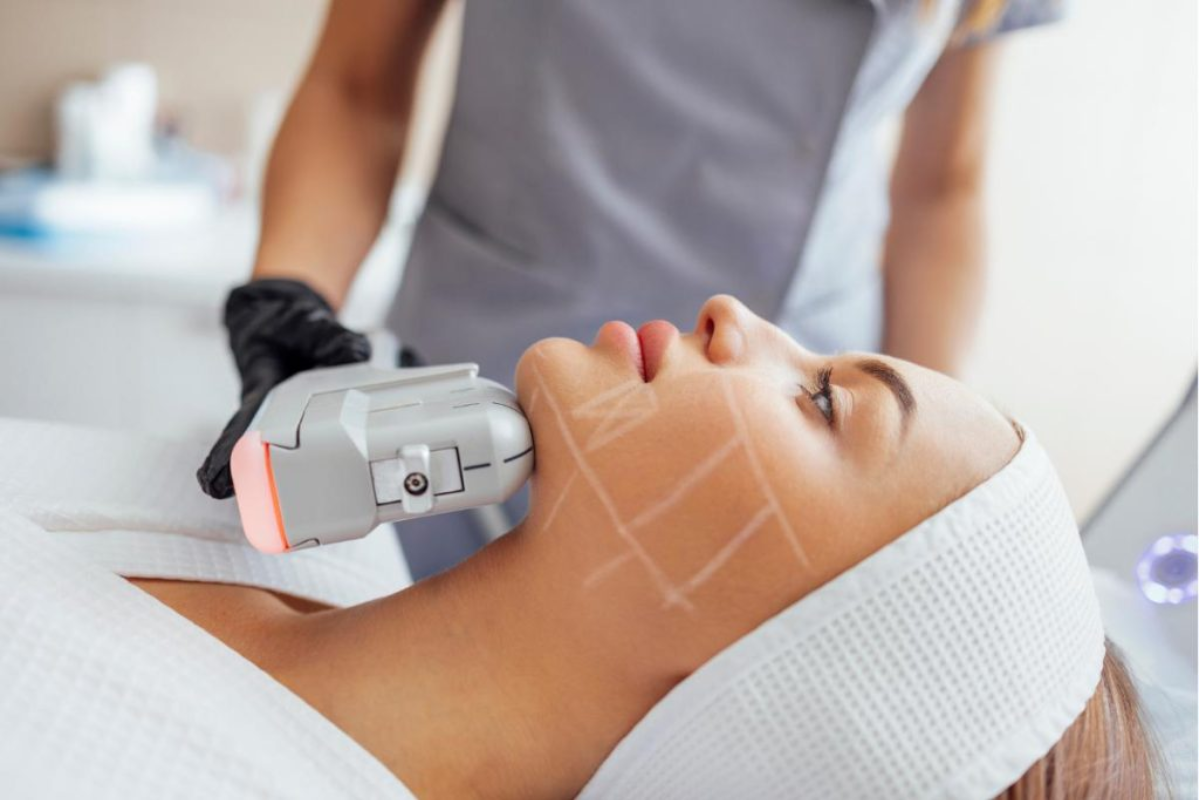
Thailand has rapidly become a premier destination for non-surgical aesthetic treatments, attracting expats, digital nomads, and medical tourists from across the globe. With world-class facilities and highly competitive pricing, it is easy to see why so many people travel here to refresh their appearance. But when it comes to booking a non-surgical facelift, how do you know which technology is actually right for your skin?
If you are researching Ultherapy Thailand, you have likely also stumbled across other popular treatments like HIFU and Thermage. You might be asking yourself: what is the actual difference between ultrasound and radiofrequency? This confusion is incredibly common. In tourist-heavy markets like Bangkok, Phuket, and Chiang Mai, the sheer volume of choices, and the unfortunate presence of counterfeit machines, can make booking a treatment feel overwhelming.
We are here to clear up that confusion. In this comprehensive guide, we will decode the top three contenders for non-surgical skin lifting: HIFU, Ultherapy, and Thermage. We will break down how each technology works, what results you can realistically expect, and how to safely navigate the Thai aesthetic market to find the best treatment for your skin laxity, goals, and budget.
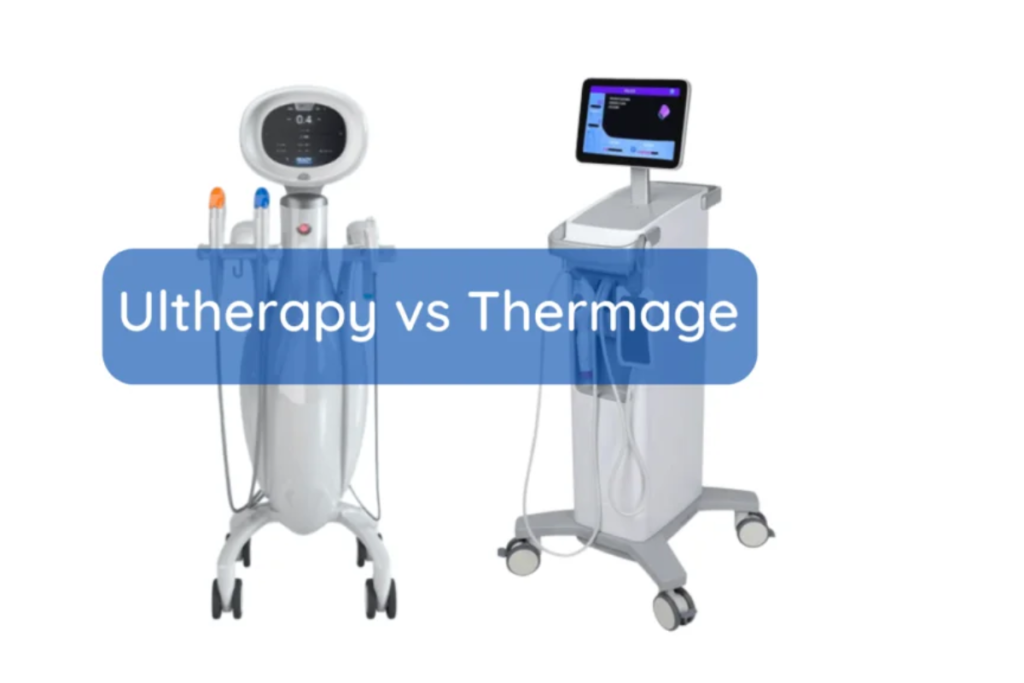
Quick Comparison: HIFU vs Ultherapy vs Thermage
To help you understand the landscape of non-surgical skin tightening, let’s start with a high-level overview. How do these three popular treatments stack up against one another?
|
Feature |
HIFU |
Ultherapy |
Thermage |
|---|---|---|---|
|
Technology Type |
High-Intensity Focused Ultrasound |
Microfocused Ultrasound (MFU) with real-time imaging |
Monopolar Radiofrequency (RF) |
|
Target Layers |
Deep dermis and SMAS (fascial planes) |
Deep dermis and SMAS (up to 4.5mm) |
Dermis and subdermis (broader volume heating) |
|
Pain Level |
Mild to moderate (highly dependent on the device) |
Moderate (often requires numbing cream or oral analgesics) |
Mild to moderate (newer models include vibration and cooling) |
|
Result Timeline |
Gradual improvement over 2 to 6 months |
Gradual improvement over 2 to 6 months |
Gradual improvement over 2 to 6 months |
|
Best For |
Budget-friendly structural lifting (if strictly vetted) |
Precision structural lifting (jawline, brow, neck) |
Overall skin firmness, texture improvement, and crepey skin |
Understanding HIFU Skin Tightening in Thailand
High-Intensity Focused Ultrasound, commonly referred to as HIFU, is one of the most widely searched aesthetic procedures in Asia. But what exactly is it?
HIFU technology uses focused ultrasound energy to heat highly specific, targeted tissue points beneath the surface of your skin. When these tissue points are heated to a certain temperature, it triggers a natural cellular response: collagen remodeling. As your body produces fresh, new collagen, the skin gradually tightens and lifts.
However, there is a massive caveat that patients must understand. “HIFU” is a generic category of technology, not a single, standardized branded device. Because of this, the manufacturer, the consistency of the energy delivery, and the operator’s technique will drastically affect your outcomes.
According to leading aesthetics experts in Bangkok, “Patients often chase the cheapest HIFU promotion they can find, not realizing that a low-quality machine will deliver inconsistent energy. At best, you see no results. At worst, you risk facial fat loss or burns.”
When looking into HIFU skin tightening in Thailand, it is vital to know exactly what machine the clinic is using. Are they using a reputable, medical-grade device like the Ultraformer III, or a cheap, unbranded imitation? Finding quality HIFU Thailand treatments is absolutely possible and can be highly effective, but it requires diligent research to ensure you are getting a branded device operated by a trained professional.
Ultherapy Thailand: The Gold Standard in Precision
If generic HIFU is a broad category, Ultherapy is the highly specific, FDA-cleared gold standard. Ultherapy utilizes microfocused ultrasound (MFU) to target the deep structural layers of the skin, reaching depths of up to 4.5mm. This is the exact same foundational layer (the SMAS) that plastic surgeons manipulate during a surgical facelift.
What truly sets Ultherapy apart from standard HIFU devices? The answer lies in its patented DeepSEE technology. Ultherapy features real-time ultrasound imaging, allowing the practitioner to clearly see the layers of tissue they are treating on a screen.
Why does seeing the tissue layers matter? It takes the guesswork out of the procedure. Your provider can ensure the ultrasound energy is being deposited at the precise depth required for optimal collagen production. Furthermore, it adds a massive layer of safety, allowing the operator to actively avoid hitting bone or nerve pathways.
For patients seeking highly targeted lifting for a sagging jawline, a heavy brow, or a loose neck, Ultherapy is consistently recommended by top dermatologists as the premium, most precise choice available.
Thermage Thailand: Radiofrequency for Overall Firmness
While ultrasound technologies focus on deep, precise points of heat, Thermage takes an entirely different approach. Thermage utilizes monopolar radiofrequency (RF) technology. Rather than targeting tiny focal points, RF heats a much broader, larger volume of the dermis and subdermis.
Have you noticed your skin starting to look a bit crepey, or that your pores seem larger than they used to? This is where Thermage excels. The volumetric heating stimulates massive collagen denaturation and subsequent remodeling across the surface of the skin.
Thermage is generally not the go-to choice for lifting heavy jowls. Instead, its superior benefits lie in improving overall skin texture, minimizing the appearance of pores, and treating crepey, thinning skin on both the face and the body.
Finding Thermage Thailand treatments is relatively easy, particularly in high-end clinics. The latest iteration, the Thermage FLX, is widely available and features faster treatment times and improved patient comfort via cooling bursts and vibration. Many expats and tourists utilize Thermage as a powerful annual maintenance treatment to preserve overall facial firmness and glowing skin quality.
Thailand Buyer’s Guide: Safety and Authenticity
The medical tourism industry in Thailand offers incredible value, but it also demands that patients be proactive about their safety. Counterfeit aesthetic machines are a well-documented issue globally, and tourist hubs are no exception. Here is how you can protect yourself and ensure you receive authentic, safe treatments.
Verifying Equipment
Do not be afraid to ask questions. Reputable clinics will gladly prove the authenticity of their devices. Ask to see the machine’s nameplate. For treatments like Thermage and Ultherapy, the consumable tips and cartridges are strictly single-use. You can ask the provider to open a fresh tip package in front of you. Furthermore, brands like Ultherapy often have a “certified provider” locator on their official regional websites.
Pricing Red Flags
We all love a good deal, but extremely cheap promotions are a major red flag in the aesthetic industry. Authentic consumables (the tips used during your treatment) are expensive for the clinic to purchase. If a clinic is offering an Ultherapy or Thermage treatment at a price that seems too good to be true, it almost certainly is. This usually indicates the use of counterfeit machines, diluted shot counts, or older, poorly maintained models.
Provider Credentials
Who is actually holding the device? In top-tier clinics in Bangkok and Phuket, these advanced treatments are performed by certified doctors or highly trained medical professionals, not standard spa therapists. A machine is only as good as the person operating it. Ensure your provider has a verifiable medical background and extensive experience with the specific device they are using.
How to Choose the Right Treatment for You
Still unsure which path to take? Choosing the right device comes down to your unique anatomical needs, your aging concerns, and your budget.
For Deep Structural Lifting
If your primary concern is moderate skin laxity, specifically sagging jowls, a poorly defined jawline, or a drooping neck, you need targeted deep lifting. In this scenario, Ultherapy or a high-quality, doctor-administered HIFU treatment will yield the best results.
For Overall Skin Texture and Firmness
If you want to tackle crepey skin, smooth out fine lines, reduce pore size, and achieve a tighter, firmer overall skin surface, radiofrequency is your best friend. Thermage is the undisputed leader for these specific skin quality concerns.
For Budget Constraints
If you are strictly monitoring your budget, generic HIFU can be an excellent, budget-friendly option. However, this is only true if you thoroughly vet the clinic and the provider to ensure they are using a reputable, safe device.
Combination Approaches
Why choose just one? A growing trend among top aesthetic doctors is combining technologies for comprehensive anti-aging results. A common protocol involves using Ultrasound (like Ultherapy) to lift the deep foundational layers, followed by Radiofrequency (like Thermage) a few months later to polish and tighten the surface texture.
Making the Right Choice for Your Skin
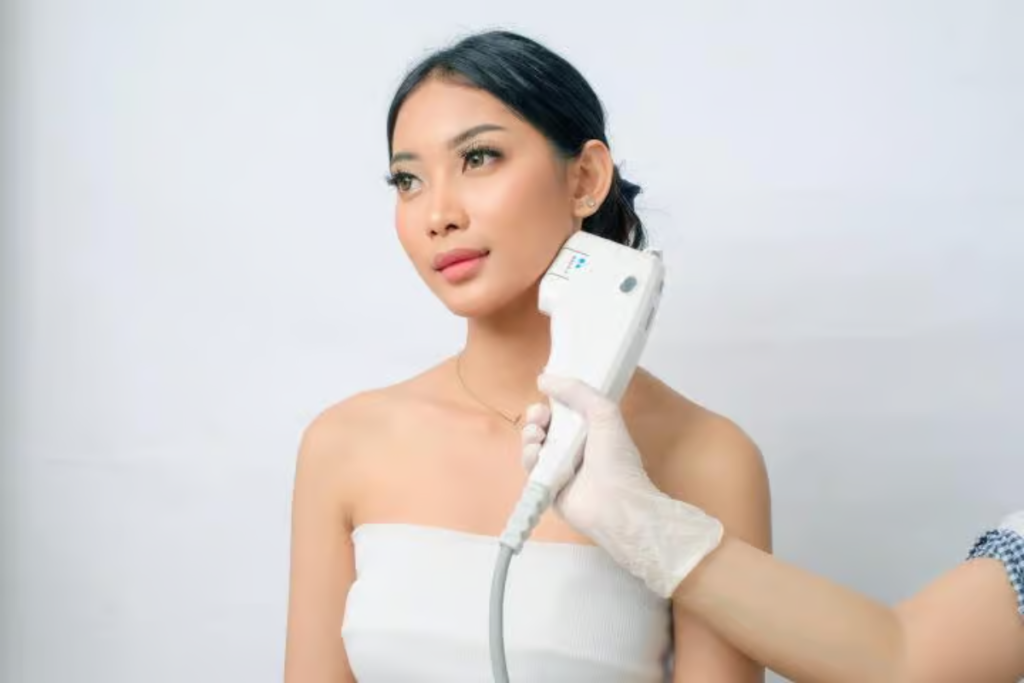
At the end of the day, there is no single “best” device. The choice between HIFU, Ultherapy, and Thermage depends entirely on your specific aging concerns, the thickness of your skin, and the anatomical areas you wish to target.
If you are traveling to Thailand for a non-surgical facelift, your top priority must always be safety. Prioritize authentic devices, insist on experienced, certified medical providers, and maintain realistic expectations about what non-surgical devices can achieve.
Ready to find your perfect clinic?
Finding the right clinic in a foreign country can feel overwhelming, especially when there are so many options available. Doodeena, connecting you with verified, English-speaking beauty clinics across Thailand. Instead of guessing, you can compare transparent pricing, review real feedback from expats, and choose clinics that meet verified safety standards.
Frequently Asked Questions
Does the treatment hurt?
Pain tolerance varies wildly from person to person. Ultrasound treatments (Ultherapy/HIFU) can cause deep, aching discomfort as the energy hits the SMAS layer. Radiofrequency (Thermage) feels more like intense bursts of heat. Reputable clinics will manage this by applying medical-grade numbing cream for 45 minutes prior to the procedure, and some may offer oral pain relief to ensure your comfort.
What is the downtime and are there side effects?
One of the main reasons these treatments are so popular is the lack of surgical downtime. You may experience transient redness and minor swelling for a few hours to a few days. While severe side effects are very rare, ultrasound treatments carry a small risk of temporary numbness or nerve irritation if the energy is placed incorrectly, which is exactly why provider expertise and real-time imaging (in the case of Ultherapy) are so valuable.
How long do the results last?
You might feel an immediate “tightness” right after your appointment, but the true magic happens as your body builds new collagen over the next 2 to 6 months. Typically, results from these lifting treatments last anywhere from 12 to 18 months. Because the aging process continues, most doctors recommend a maintenance session every year to year-and-a-half.