


Walk down the vibrant streets of Bangkok, or scroll through the social media feeds of athletes and busy professionals, and you will quickly notice a booming trend. IV therapy has exploded in popularity. What was once exclusively reserved for hospital rooms and severe dehydration is now a routine wellness ritual. People are booking appointments for everything from jet lag recovery and immune system boosts to post-party hangover cures. But as these vibrant clinics and mobile services pop up everywhere, one critical question remains.
Just how much is an iv drip, and what are you actually paying for?
When we talk about IV drip cost, the final bill rarely comes down to a single, flat rate. The price you see on a clinic’s menu often represents a baseline package. Depending on your needs, you might encounter additional fees for vitamin add-ons, location premiums (like ordering a drip to your hotel room), or specialized premium ingredients.
To make matters slightly more complex, the IV market spans two vastly different categories. Retail and wellness IV therapy is typically elective, out-of-pocket, and focused on hydration or general well-being. On the other hand, medical infusion therapy is usually prescribed by a doctor, administered for specific health conditions, and billed through health insurance.
In this comprehensive guide, we will break down exactly how much an IV drip costs. We will explore the factors that drive these prices up or down, the impact of your chosen clinic setting, and how to ensure you receive a safe, high-quality service that justifies the investment.
Average Cost Ranges by Service Type
Before exploring specific vitamins and minerals, you must understand the two primary environments where IVs are administered. The setting heavily dictates the financial structure of your treatment.
Retail and Wellness IV Therapy
If you are visiting a trendy IV bar, a specialized med spa, or calling a mobile IV service to your apartment, you are engaging in retail IV therapy. These services are almost entirely out-of-pocket. You can expect a common price range starting around $100 for basic hydration, scaling up to $300 or more for complex, specialty drips.
Why the massive range? Retail pricing reflects market demand, the cost of premium ingredients, and the time required by registered nurses (RNs) to safely administer the fluids. “Patients are much more savvy about skin care and wellness science these days,” notes a leading aesthetics expert. “They understand that a sterile, professionally compounded vitamin drip requires skilled hands, and they are willing to pay for that quality.”
Medical Infusion Therapy
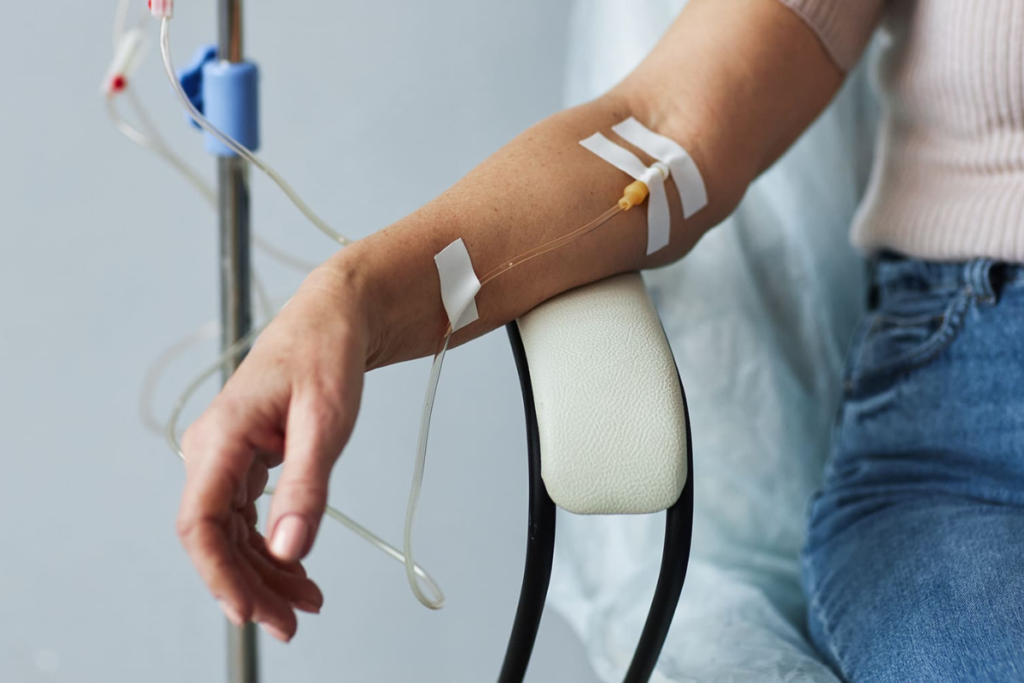
Medical settings—such as hospitals, specialized clinics, and dedicated infusion centers, operate on an entirely different financial planet. These costs are often substantially higher.
Medical infusions involve complex facility fees, high drug acquisition costs (especially for expensive biological medications), and stringent insurance prior authorization processes. The out-of-pocket reality for the patient here depends entirely on their health insurance deductible, co-insurance rates, and the specific site of care.
Pricing Breakdown by IV Drip Category
How much does an iv drip cost based on the exact fluid going into your arm? Let’s break down the typical consumer-facing categories.
Below is a quick comparison of average price ranges by drip type:
- Hydration: $100 – $150 (฿3,200 – ฿4,800)
- Vitamin Blends: $150 – $250 (฿4,800 – ฿8,000)
- Specialty Drips: $200 – $350+ (฿6,400 – ฿11,200+)
- Nausea/Migraine: $175 – $250 (฿5,600 – ฿8,000)
- Medical Infusions: $500 – $5,000+ (฿16,000 – ฿160,000+) (Insurance billed)
Hydration (Saline and Electrolytes)
Basic hydration represents the lowest-priced core service available at most wellness clinics. Usually ranging between $100 and $150 (฿3,200 – ฿4,800), this drip consists primarily of normal saline or lactated Ringer’s solution, packed with essential electrolytes.
Cost drivers for this basic package are straightforward. The price fluctuates based on fluid volume—typically a choice between 500 mL and a full 1 Liter bag—alongside basic medical supplies and the nurse’s time.
Vitamin Blends (Myers’ Cocktail, B12, Vitamin C)
This category introduces essential nutrients directly into the bloodstream. The famous Myers’ Cocktail, alongside standalone B12 or high-dose Vitamin C drips, usually runs between $150 and $250 (฿4,800 – ฿8,000).
These blends require precise ingredient sourcing. Vitamin stability and sterile compounding profoundly affect the clinic’s overhead. High-quality clinics source their vitamins from highly regulated compounding pharmacies. This stringent quality control directly influences the final price presented to the consumer.
Specialty Drips (Immunity, Energy, Hangover, Athletic Recovery)
When you want a targeted result, you look toward specialty drips. Marketed for immunity, deep detox, or intense athletic recovery, these packages frequently range from $200 to over $350 (฿6,400 – ฿11,200+).
They often feature a robust cocktail of additives, such as zinc, magnesium, taurine, and glutathione. Marketing heavily drives these categories. It is worth noting that the medical evidence supporting these drips often depends on a person’s prior deficiency status. If you are already highly deficient in magnesium, a recovery drip might feel miraculously effective.
Nausea and Migraine Drips
Did you enjoy your vacation a little too much? Nausea, hangover, and migraine drips often include standard hydration paired with targeted medications. You might find antiemetics (like ondansetron/Zofran) or NSAIDs (like Toradol).
Because these drips include actual pharmaceuticals, they require a higher level of medical oversight. Responsible clinics perform careful screening for contraindications and adhere strictly to regional medical board rules. This added clinical responsibility naturally increases the price, usually pushing these drips into the $175 to $250 (฿5,600 – ฿8,000) range.
Medical Infusions (IV Iron, Antibiotics, Biologics)
Medical infusions must remain distinctly separate from elective wellness drips. Treatments like IV iron for severe anemia, broad-spectrum IV antibiotics, or biologics for autoimmune conditions are strictly medically necessary.
These are typically billed through insurance with incredibly high list prices. A biologic infusion can easily generate a hospital bill in the thousands. Your actual cost is dictated by your insurance plan rather than a simple retail menu.
The Cost of Add-Ons and Extras
If you see a base price of $120, do not assume that is your final bill. Line-item costs can significantly inflate the total.
Clinics frequently offer “pushes” or extra ingredients that you can tack onto a standard bag of saline. Common add-ons include:
- Extra fluid bags: Usually $25 to $50 for an additional 500 mL.
- Vitamin pushes: A quick injection of B12 or Vitamin C can add $25 to $40.
- Glutathione pushes: Known as a master antioxidant, this popular add-on typically costs $40 to $80.
- Premium ingredients (NAD+): NAD+ infusions require much longer chair times and expensive raw ingredients, frequently adding $100 to $500 to the bill.
- Lab testing: Some clinics require or offer vitamin panel blood work, adding $100 to $200 upfront.
Some clinics generously bundle these extras into premium, higher-tier packages, while others strictly nickel-and-dime you a la carte. Always ask for a full price breakdown before the needle goes in.
How the Clinic Setting Affects Your Bill
Where you sit while receiving your fluids drastically impacts how much does iv drip cost.
IV Bars and Med Spas
Retail pricing in commercial IV lounges heavily reflects local commercial rent, area competition, and the local staffing market. A luxurious med spa in a high-end district of Bangkok or Los Angeles will naturally charge more than a standard clinic in a suburban strip mall to cover their massive overhead.
Mobile IV Services
Are you wondering how much does iv drip cost when it comes to your living room? Mobile services attach a heavy premium for ultimate convenience. Extra costs typically include travel time, mileage calculations, minimum service fees, and steep after-hours surcharges. Expect to pay at least $50 to $100 more for a house call compared to an in-clinic visit.
Hospital Outpatient Centers
For medical infusions, the facility fee is the biggest cost driver. Hospitals charge massive facility fees to maintain their massive infrastructure. Many health insurers now actively steer patients away from hospital outpatient departments, pushing them toward independent infusion centers to dramatically lower the total cost of care.
Concierge and Functional Medicine Clinics
Functional medicine clinics often operate on membership models. They typically require an initial consultation fee and mandatory lab work before you can even book a drip. This thorough medical onboarding can make your very first infusion much more expensive than the clinic’s advertised drip price.
Geographic Variation and Market Trends
Location is everything. Metropolitan areas boast higher median incomes and more expensive commercial real estate, pushing prices up. Rural clinics, conversely, might offer lower prices but fewer premium add-ons.
According to Bureau of Labor Statistics (BLS) data, median RN wages vary wildly by region. Since RNs must administer these treatments, local labor costs directly impact the overhead and retail pricing of IV therapy. Furthermore, the post-pandemic boom in consumer wellness spending has driven demand sky-high. However, increased regulatory scrutiny regarding marketing claims might soon affect future availability and pricing in certain highly regulated markets.
Does Insurance Cover IV Therapy?
A common question among consumers is whether their health insurance will foot the bill for their wellness routine.
Insurance: There is a stark lack of coverage for elective wellness drips. Insurance companies view hangover cures, immunity boosts, and beauty drips as strictly elective. Conversely, standard coverage applies for medically necessary infusions prescribed by a physician.
HSA and FSA Eligibility: Can you use your Health Savings Account (HSA) or Flexible Spending Account (FSA) for a wellness drip? The requirements are remarkably strict. General wellness treatments are rarely eligible without proper documentation. You will usually need a formal Letter of Medical Necessity (LMN) from a doctor proving the drip treats a specific, diagnosed medical condition. Always request a highly detailed, itemized receipt from the clinic for your tax records.
Safety, Regulation, and Value
How do you guarantee you are getting genuine value for your money? An unusually cheap IV drip should actually be a red flag. A higher price often correlates strongly with better safety standards, sterile environments, and highly trained personnel.
Consider the importance of having fully credentialed staff (like RNs or paramedics) on site. High-quality clinics employ an active medical director, enforce strict sterile compounding practices, and maintain robust emergency protocols for highly rare events like anaphylaxis.
Questions to Ask Your IV Clinic (Safety Checklist)
Before booking, use this framework to compare prices transparently:
- Are the IVs administered by a registered nurse or a certified paramedic?
- Do you have an active Medical Director overseeing the clinic?
- Where do you source your compounded vitamins and additives?
- What is your exact protocol in the event of an allergic reaction?
- Does the quoted base price include the full fluid volume and all listed vitamins?
Empowering Your Wellness Decisions
Ultimately, how much does iv drip therapy cost comes down to a matrix of fluid types, specialized ingredients, clinic settings, and regional economics. While basic hydration might cost you a crisp $100 bill, premium NAD+ treatments delivered to your hotel room can easily soar past the $500 mark.
As a consumer, you hold the power to weigh the true value of clinician expertise and impeccable safety over the simple desire to find the lowest base price. Never compromise your health for a bargain. Before rolling up your sleeve, review our safety checklist, demand transparent pricing, and consider consulting with a primary care doctor to ensure IV therapy is the right choice for your body.
Frequently Asked Questions
How much does an IV drip cost on average?
For elective wellness treatments, the average cost typically falls between $100 and $300. Basic saline hydration sits at the lower end of this spectrum, while complex vitamin cocktails and specialty recovery drips command the higher prices.
How much is IV drip therapy for a hangover?
Hangover drips usually range from $150 to $250. This price typically includes standard hydration fluids paired with crucial add-ons, such as anti-nausea medications (like Zofran), anti-inflammatory pain relievers, and replenishing B-vitamins.
IV drip how much does it cost at home vs. in a clinic?
Receiving an IV drip at home via a mobile service is universally more expensive than visiting a brick-and-mortar clinic. Mobile providers factor in travel time, mileage, and convenience fees, which generally add an extra $50 to $100 to the base price of the drip.