


Have you noticed the sudden boom in boutique wellness clinics offering vitamin infusions on your social media feed? From “hangover buses” parked outside music festivals to luxury aesthetic centers in Bangkok and Phuket, intravenous therapy is practically everywhere. It is marketed as a quick fix for everything from jet lag to dull skin. But as these treatments become increasingly mainstream, you might find yourself asking a fundamental question: what is IV drip used for, and does the science actually support the hype?
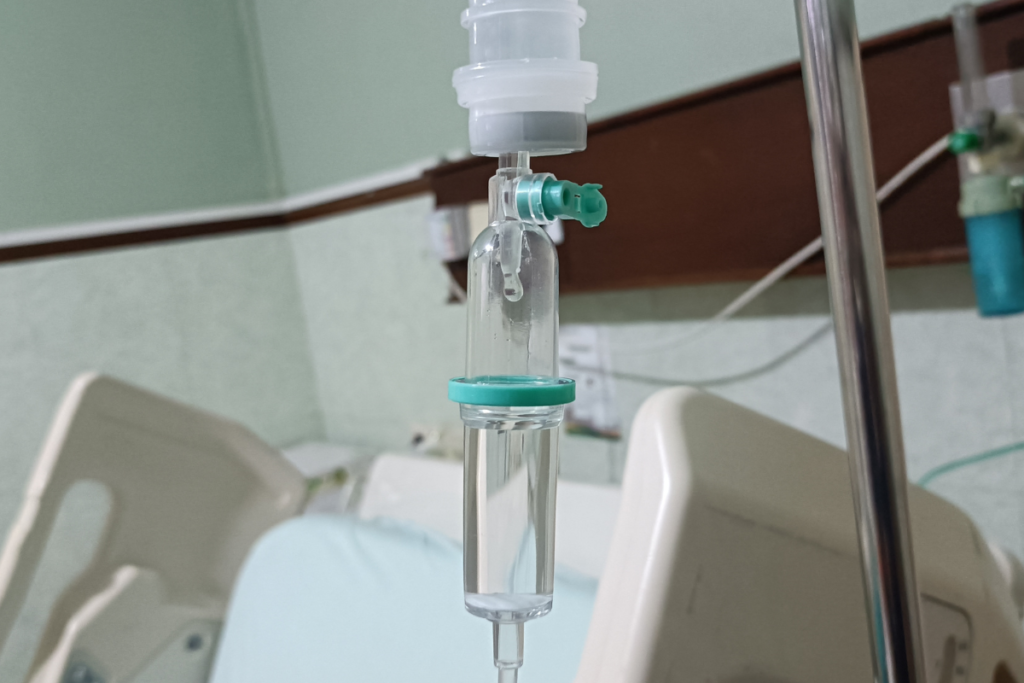
To understand this trend, it helps to start with a clear definition. Intravenous (IV) infusion therapy is a method of delivering fluids, electrolytes, vitamins, or medications directly into a vein. By bypassing the digestive system entirely, the body can absorb these components immediately and completely. It is a powerful delivery mechanism that has been a cornerstone of hospital care for decades.
However, as this clinical tool makes its way into the commercial wellness space, the lines between medical necessity and elective enhancement often blur. This comprehensive guide will separate evidence-based medical treatments from elective wellness trends. We will break down the benefits, explore the risks, and help you determine if you are an ideal candidate for IV therapy.
What is an IV Drip and How Does it Work?
When you consume water or oral supplements, your gastrointestinal tract must process them before the nutrients enter your bloodstream. This digestive process takes time and limits the total amount of nutrients your body actually absorbs. An intravenous infusion bypasses the stomach and intestines completely. This allows for 100% absorption and rapid delivery of fluids, electrolytes, or medications straight to your cells.
When asking what is an iv drip used for, it is crucial to distinguish between hospital-grade medical interventions and consumer wellness treatments.
Clinical IV therapy is highly evidence-based. Hospitals and urgent care centers use these infusions to manage acute conditions like severe dehydration, life-threatening electrolyte imbalances, or severe infections requiring intravenous antibiotics.
On the other hand, elective wellness IVs are commonly marketed in boutique clinics for energy, immunity, or beauty enhancements. These consumer drips typically contain a base of saline mixed with various vitamins, minerals, and occasionally anti-nausea medications. While they use the same delivery mechanism as hospital drips, their purpose is often optimization rather than acute medical treatment.
Core Medical Uses: What is IV Drip Used For?
In a clinical setting, intravenous therapy is not a luxury. It is a highly effective, often life-saving intervention. Medical professionals rely on this delivery method for specific, high-evidence indications.
Rehydration and Volume Replacement
Severe dehydration can occur due to persistent vomiting, severe diarrhea, or heat stroke, a common risk for tourists adjusting to the tropical heat of Thailand. When a patient cannot keep fluids down, IV isotonic crystalloids like normal saline or lactated Ringer’s are the standard of care. These fluids rapidly restore intravascular volume, stabilize blood pressure, and improve blood flow to vital organs.
Electrolyte Correction
Electrolytes like potassium, magnesium, and calcium are critical for nerve and muscle function. Severe deficits can lead to dangerous complications, including cardiac arrhythmias or seizures. Medical professionals use IV therapy to safely and precisely restore these critical levels while closely monitoring the patient.
Medication Delivery
Certain medications require a fast onset or consistent blood levels to be effective. Intravenous delivery is used for antibiotics treating serious infections, strong pain control medications, and chemotherapy. It is also the preferred route when a patient’s medical condition makes oral administration impossible.
Nutritional Support
For patients suffering from intestinal failure, severe malabsorption, or inflammatory bowel disease flares, the GI tract simply cannot process food. Total Parenteral Nutrition (TPN) provides complete IV nutrition, including glucose, amino acids, lipids, and trace elements, ensuring the patient survives and heals without using their digestive system.
Wellness Uses: What Are the Benefits of IV Drip?
As the industry expands, many consumers wonder what does iv drip help with outside of a hospital. Boutique clinics offer menus filled with targeted infusions, but how do these claims hold up to scientific scrutiny? Let’s examine what are the benefits of iv drip therapy in the wellness space.
Hydration and Fatigue
Many clinics market hydration drips to combat fatigue, travel exhaustion, and mild illness. There is no denying that IV fluids act fast to restore blood volume, which can provide a rapid energy boost. However, for generally healthy individuals experiencing mild fatigue, oral hydration is usually sufficient. Drinking water or an oral rehydration solution is far less risky and significantly more cost-effective than an elective infusion.
Hangover Cures
The “hangover IV” is arguably the most famous wellness drip. Clinics claim that a mix of fluids, electrolytes, and vitamins will cure a hangover in minutes. Hangovers are complex, driven by dehydration, sleep disruption, and gastrointestinal irritation. IV fluid replacement will quickly relieve the dehydration-related symptoms like headaches and dizziness. Yet, it is important to know that an IV does not actually “detox” alcohol from your liver or bloodstream any faster than your body naturally processes it.
Immune Boosts
High-dose Vitamin C and Zinc drips are immensely popular during cold and flu season. These micronutrients undoubtedly support immune function in individuals who have clinically confirmed deficiencies. For non-deficient, healthy people, “boosting” the immune system is not as straightforward as the marketing claims suggest. While the vitamins enter the bloodstream, evidence showing that they prevent illness in healthy individuals remains mixed.
Beauty and Anti-Aging: What is IV Drip for Skin?
One of the most requested treatments among expats and tourists visiting aesthetic clinics is the “beauty drip.” But exactly what is iv drip for skin?
Beauty drips typically feature high doses of Vitamin C and Glutathione, a powerful antioxidant naturally produced in the liver. Providers claim these infusions will brighten skin, reduce pigmentation, and stimulate collagen production for an anti-aging effect.
The biological plausibility is there. Vitamin C is essential for collagen synthesis, and Glutathione neutralizes free radicals that cause cellular damage. However, current clinical outcomes data for elective beauty IVs is still limited. While many users report a noticeable glow, the medical community notes that robust, peer-reviewed evidence proving long-term skin transformations from IV Glutathione remains controversial and requires more rigorous study.
What’s Typically in an IV Drip?
Whether administered in a hospital or a verified clinic, intravenous infusions draw from a common pool of pharmaceutical-grade ingredients.
- Base Fluids: Most drips start with normal saline (a sterile mixture of salt and water) to provide pure hydration and act as a carrier for other nutrients.
- Electrolytes: Minerals like magnesium are frequently added to support muscle and nerve function, helping to alleviate cramping or tension.
- B-Complex Vitamins: Essential for energy metabolism, these vitamins help the body convert food into usable energy.
- Vitamin C: Added for its antioxidant properties and role in tissue repair.
- Zinc: Often included in immunity drips for its role in wound healing and immune response.
- Medications: Some wellness drips include anti-nausea medications (like ondansetron) or mild pain relievers, though this strictly requires oversight by a licensed prescriber.
Who IV Drips May Help Most
When asking what is iv drip for, the answer depends entirely on the patient’s specific profile. IV therapy is highly beneficial for the right candidates.
People with moderate to severe dehydration who cannot keep oral fluids down will see rapid, undeniable benefits. Those with clinically confirmed nutrient deficiencies, such as a severe magnesium deficit, require the immediate correction that only an IV can provide. Furthermore, patients with malabsorption issues such as those who have undergone bariatric surgery or suffer from short bowel syndrome, rely on infusions to get nutrients their digestive tract cannot process. Certain urgent care cases, like severe migraines, also respond exceptionally well to specific IV protocols.
Conversely, generally healthy individuals looking for a quick energy fix are often better served by fundamental lifestyle adjustments. Adequate oral hydration, consistent sleep, and a balanced diet remain the safest and most effective ways to maintain daily wellness.
Risks, Side Effects, and Who Should Avoid IVs
No medical procedure is entirely without risk. Breaking the skin barrier introduces potential complications that consumers must take seriously before booking an elective treatment.
The physical procedure carries specific localized risks. These include infection at the injection site, bruising, and phlebitis (inflammation of the vein). There is also the risk of infiltration or extravasation, which occurs when the IV fluid accidentally leaks into the surrounding tissue instead of the vein, causing painful swelling.
Beyond the needle, there are physiological dangers. Administering fluids too rapidly can lead to fluid overload. This is a severe condition that can cause pulmonary edema (fluid in the lungs) and put immense strain on the cardiovascular system. Incorrectly formulated drips can also cause dangerous electrolyte imbalances.
Because of these medical risks, individuals with heart failure, chronic kidney disease, or uncontrolled hypertension must avoid elective IVs entirely. Pregnant women should only receive intravenous treatments under strict obstetric guidance. Furthermore, individuals with a G6PD deficiency can experience severe red blood cell breakdown (hemolysis) when exposed to high-dose IV Vitamin C.

Making the Right Choice for Your Health
Intravenous therapy is undeniably a powerful, essential tool for specific medical conditions. It delivers life-saving hydration, corrects dangerous imbalances, and provides nutrients when the body cannot do so itself. However, elective wellness drips require careful consideration. While they offer rapid hydration and plausible benefits for skin and energy, the scientific backing for routine use in healthy individuals is mixed.
If you are considering an elective infusion at a beauty clinic, protect your health by asking the provider the following questions before you book:
- Who prescribes the exact formulation, and are they a licensed clinician?
- What are the exact ingredients and dosages going into my vein?
- What medical screening do you perform to check for contraindications like kidney issues or medication interactions?
- What emergency protocols do you have in place for adverse or allergic reactions?
Always consult your primary healthcare provider before starting any new wellness regimen. When you’re ready to explore reputable options, platforms like Doodeena can help you find trusted English-speaking clinics that offer transparent pricing and verified safety standards.