


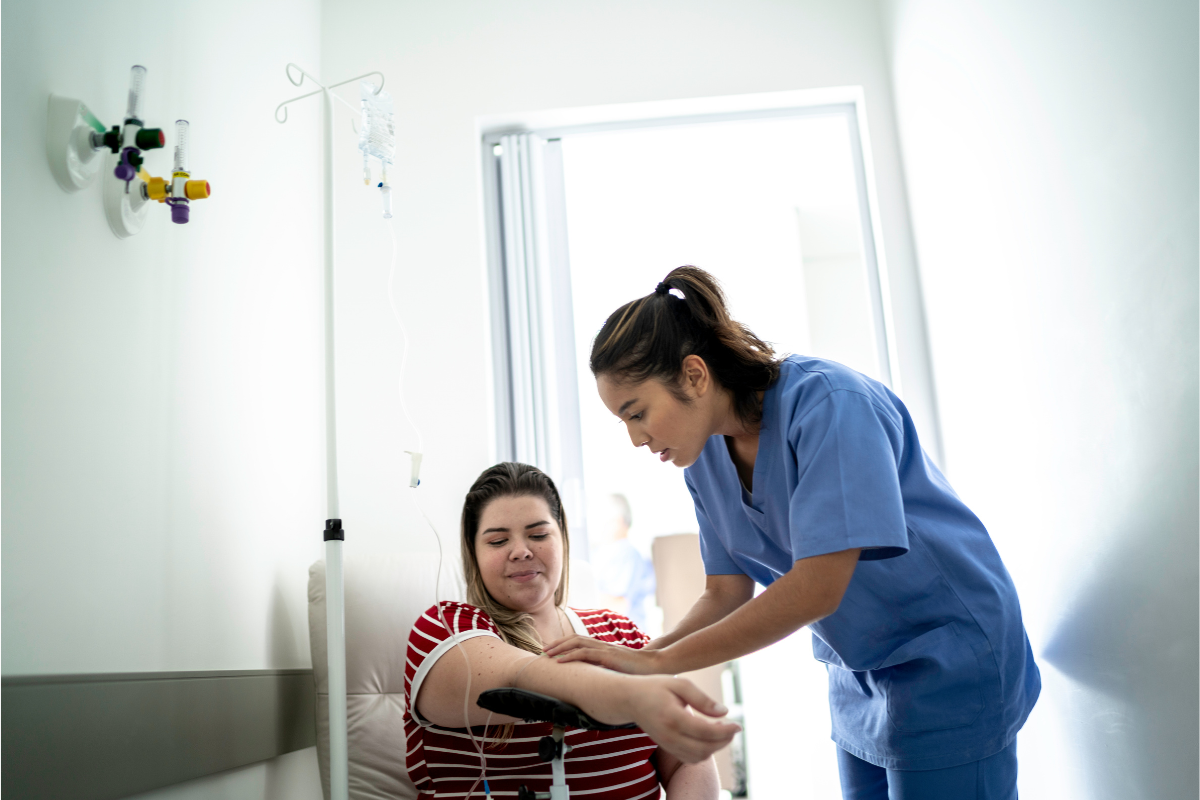
Once confined exclusively to hospital emergency rooms, intravenous treatments have rapidly evolved into a staple of modern wellness. From trendy aesthetic lounges in Bangkok to mobile concierge services arriving directly at your Phuket villa, vitamin infusions are suddenly everywhere. This massive shift in accessibility leaves many people asking a fundamental question: exactly what is iv drip therapy, and is it genuinely beneficial for your health?
For expats and digital nomads exploring medical tourism, navigating the sheer volume of aesthetic and wellness options can feel overwhelming. You might be curious about the promised benefits, like instant hangover relief or radiant skin, but still harbor valid concerns. Anxiety about needles, confusion over medical efficacy versus clever marketing, and questions regarding hidden costs are completely normal.
This guide aims to cut through the noise and provide clear, evidence-based answers. We will explore how these therapies actually work within the body, break down the most common ingredients used in clinics, and highlight critical safety considerations. You will also learn about realistic results and cost structures, empowering you to make a confident, informed health decision for your next treatment.
Understanding the Basics: What Is IV Drip?
To grasp the appeal of these treatments, we first need to define the procedure. At its core, an IV (intravenous) drip is a delivery method that introduces fluids, essential nutrients, and medications directly into your bloodstream. Medical professionals typically distinguish between an IV infusion, which delivers fluids at a controlled, adjustable rate over a period of time, and an IV injection (or bolus), which pushes a single dose of medication rapidly into the vein.
How does this process create such rapid effects? The answer lies in the mechanism of action. When you swallow a vitamin tablet or drink a glass of water, those substances must travel through your stomach and gastrointestinal tract. During this digestive journey, the body naturally filters and breaks down the nutrients, a process known as first-pass metabolism. By the time the active ingredients reach your systemic circulation, the actual amount absorbed can be significantly reduced.
Intravenous delivery bypasses the digestive system entirely. According to clinical pharmacology, this method offers 100% systemic bioavailability. In plain terms, this means your body absorbs all the delivered fluids and nutrients instantly. If you have ever wondered what is an iv drip going to do that a standard oral supplement cannot, this total and immediate absorption is the primary differentiator.
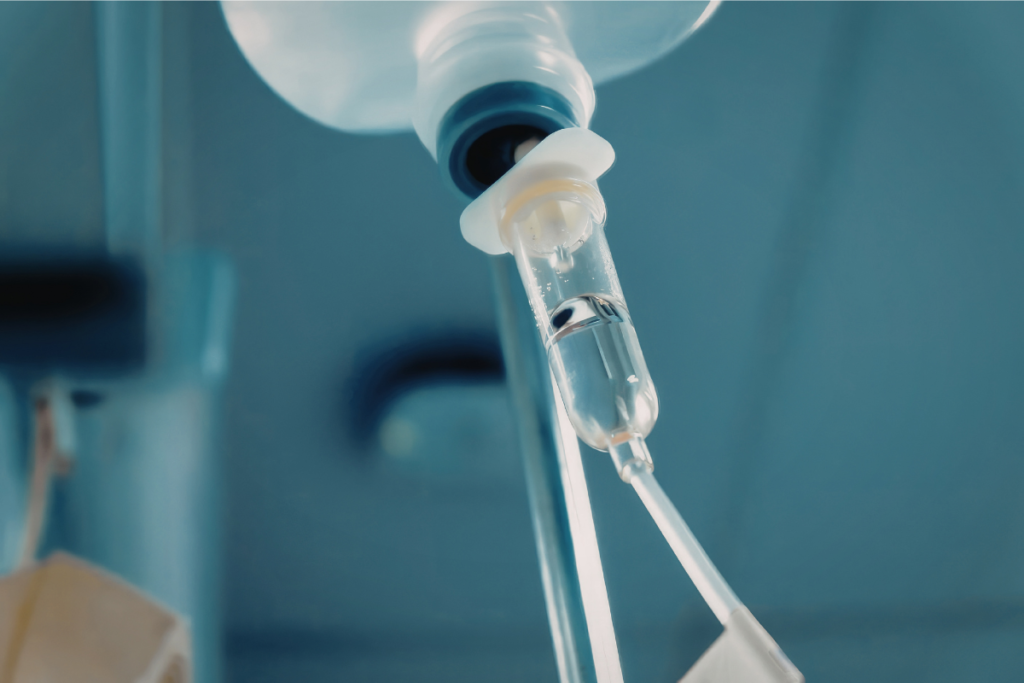
Medical Uses vs. Wellness Trends
When evaluating intravenous therapies, it is crucial to separate evidence-based clinical necessity from elective consumer trends. The application and expected outcomes differ wildly depending on the setting.
In a medical environment, these treatments are absolute necessities. Hospitals rely on intravenous fluids for severe volume resuscitation, correcting life-threatening dehydration from gastroenteritis or heat illness. Doctors also use them for severe electrolyte replacement, such as treating dangerously low potassium levels (hypokalemia) under strict cardiac monitoring. Furthermore, the intravenous route is the standard for delivering critical medications like antibiotics, antiemetics, and chemotherapy.
Conversely, consumer IV drips have surged in popularity across elective wellness clinics. You will frequently see menus boasting hangover cures, immunity boosters, energy enhancers, and beauty formulations featuring antioxidants like glutathione.
Do these elective treatments actually work? The science presents a mixed, yet fascinating, picture. If a patient is genuinely dehydrated after a long flight or a late night out, the rapid influx of saline will undoubtedly relieve symptoms like headaches and dizziness. However, routine high-dose vitamin C drips for healthy individuals lacking a deficiency are not strongly supported by current medical literature. We must also acknowledge the powerful placebo effect—the simple act of resting in a quiet room while receiving a specialized treatment can make you feel subjectively better.
Understanding what is iv drip therapy in the context of commercial wellness lounges requires recognizing that you are often paying for rapid hydration and convenience, rather than a medically necessary intervention.
Common IV Drip Ingredients
Have you ever looked at a clinic’s menu and felt confused by the medical terminology? Breaking down the common ingredients in IV drip helps clarify exactly what enters your body during a session.
Fluids form the base of almost every treatment. Normal Saline (0.9% sodium chloride) is an isotonic solution that effectively expands extracellular volume, making it the go-to choice for basic rehydration. Another highly common base is Lactated Ringer’s, a balanced crystalloid containing sodium, chloride, potassium, calcium, and lactate. Surgeons and emergency doctors frequently use Lactated Ringer’s because its electrolyte composition closely mimics human blood plasma.
Clinics then customize these fluid bases with specific electrolytes and vitamins. Magnesium is frequently added for its muscle-relaxing properties and is sometimes utilized in migraine protocols. B-complex vitamins are popular for perceived energy boosts, though medical experts note they are most effective when treating a documented deficiency. High-dose Vitamin C is another frequent request for immune support, despite the mixed clinical evidence regarding routine supplementation in healthy adults.
Depending on local regulations and the presence of medical oversight, you might also encounter specific add-ons and medications. Antiemetics like ondansetron can rapidly halt nausea, while NSAIDs like ketorolac offer potent pain relief. Many aesthetic clinics in Thailand also offer antioxidants such as glutathione, marketed for skin brightening and cellular repair..
When you ask what is a iv drip made of, remember that the safest and most effective formulations are precisely tailored to your specific physiological needs and administered by trained professionals.
What to Expect During Your Appointment
For many expats seeking treatment, the fear of the unknown, specifically needle anxiety is a major barrier. Walking through the patient journey can help demystify the experience.
A reputable clinic will always begin with a thorough pre-screening process. A qualified nurse or doctor should review your medical history, current medications, and any known allergies. They will check your vital signs, including blood pressure and heart rate, before clearing you for the procedure. This step is non-negotiable for your safety.
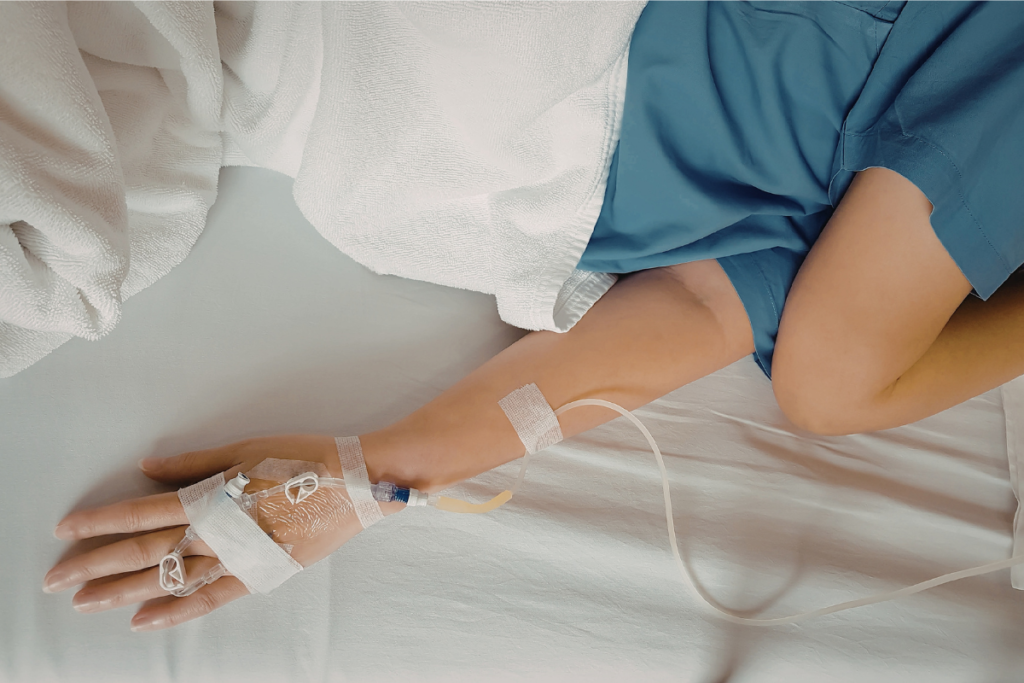
Next comes the cannulation process. The practitioner will apply a tourniquet to locate a suitable vein, clean the area with an antiseptic wipe, and insert a small, sterile needle. Once the tiny plastic catheter is guided into the vein, the needle is immediately removed. You will only feel a brief pinch; the plastic tube that remains in your arm is flexible and generally painless.
So, regarding an iv drip what is it actually like to sit through? Infusions typically take anywhere from 20 to 60 minutes, depending on the volume of fluid and the specific ingredients. You might experience a slight cooling sensation traveling up your arm as the room-temperature fluid enters your warmer bloodstream. Certain vitamins, particularly B vitamins, can occasionally cause a faint metallic taste in the back of your mouth. Throughout the process, you can comfortably read, use your phone, or simply relax.
Safety, Risks, and Contraindications
While generally safe when performed by certified professionals, intravenous therapy is a medical procedure and carries inherent risks.
Minor side effects are the most common. You might experience localized pain at the injection site, minor bruising, or phlebitis (inflammation of the vein). Occasionally, infiltration occurs, where fluid accidentally leaks into the surrounding tissue, causing temporary swelling.
Serious complications are rare but require strict protocols to prevent. Infections can occur if the clinic fails to practice rigorous skin antisepsis or uses non-sterile compounding methods. Fluid overload is another significant risk, particularly if large volumes are administered too rapidly.
This shows why medical oversight matters. Make sure your chosen clinic follows proper sterile standards and uses single-use, disposable equipment. Platforms like Doodeena can help you find clinics that meet safety standards, giving international visitors more peace of mind.
Who should avoid these treatments? Strict contraindications apply to individuals with congestive heart failure, chronic kidney disease, or uncontrolled hypertension. Introducing rapid fluid volumes into a compromised cardiovascular or renal system can be incredibly dangerous. If you fall into these categories, you must avoid elective infusions unless explicitly cleared by your primary physician.
When considering what is iv drip? from a safety perspective, always remember that convenience should never supersede clinical standards.
Effectiveness and Results
Setting realistic expectations is the key to a satisfying experience. If you are suffering from acute dehydration due to a severe bout of traveler’s diarrhea or prolonged heat exposure, intravenous fluids offer undeniable, rapid relief.
However, the evidence surrounding general wellness and “biohacking” claims remains mixed. Will a glutathione push drastically alter your complexion overnight? Probably not. Will a B12 shot give you endless energy? Only if you were deficient to begin with. The most immediate subjective benefits such as a lifted brain fog or reduced headache are almost entirely attributed to the rapid rehydration of your body’s tissues.
The duration of these effects varies wildly based on your baseline health. The revitalizing feeling of a hydration drip generally lasts until your body metabolizes the fluids, often just a few days. Sustainable energy and immunity rely far more on consistent dietary habits and quality sleep than a monthly clinic visit.
The Cost of IV Drip Therapy
For digital nomads and expats managing their healthcare budgets, understanding the cost structure of these treatments is essential.
Consumer pricing models typically follow a base-plus-add-on structure. You will pay a foundational fee for the basic saline or Lactated Ringer’s drip, which covers the clinic’s overhead, the sterile supplies, and the nurse’s time. Vitamin add-ons, specialized antioxidants like glutathione, and prescription medications (like anti-nausea drugs) usually incur additional charges. If you opt for a mobile concierge service to visit your hotel or residence, expect a significant travel surcharge.
How does this compare to traditional alternatives? From a strict financial perspective, oral rehydration solutions (ORS) and daily dietary supplements are exponentially cheaper and highly effective for mild to moderate dehydration and basic nutritional support. Elective intravenous therapy is a premium service. You are paying for 100% bioavailability, rapid onset, and the luxury of convenience.
Making an Informed Decision on Your Hydration
Intravenous therapy represents a fascinating intersection of clinical medicine and modern wellness. By bypassing the digestive system, these treatments offer unparalleled bioavailability and rapid relief from acute dehydration. However, the premium costs, mixed clinical evidence for elective wellness claims, and inherent procedural risks mean it is not a universally necessary solution for everyone.
Before booking a session, assess your actual needs. For everyday fatigue or a mild hangover, oral rehydration solutions, a nutrient-dense diet, and proper sleep are often more than sufficient.
If you decide to explore aesthetic or wellness infusions while in Thailand, always put your safety first. Use platforms like Doodeena, which offer trusted directories to help you find verified clinics. Ask the provider about their sterile compounding practices, confirm that they check vital signs before treatment, and make sure a qualified medical professional is on-site. Finally, consult your primary healthcare provider before undergoing any elective medical procedure.