


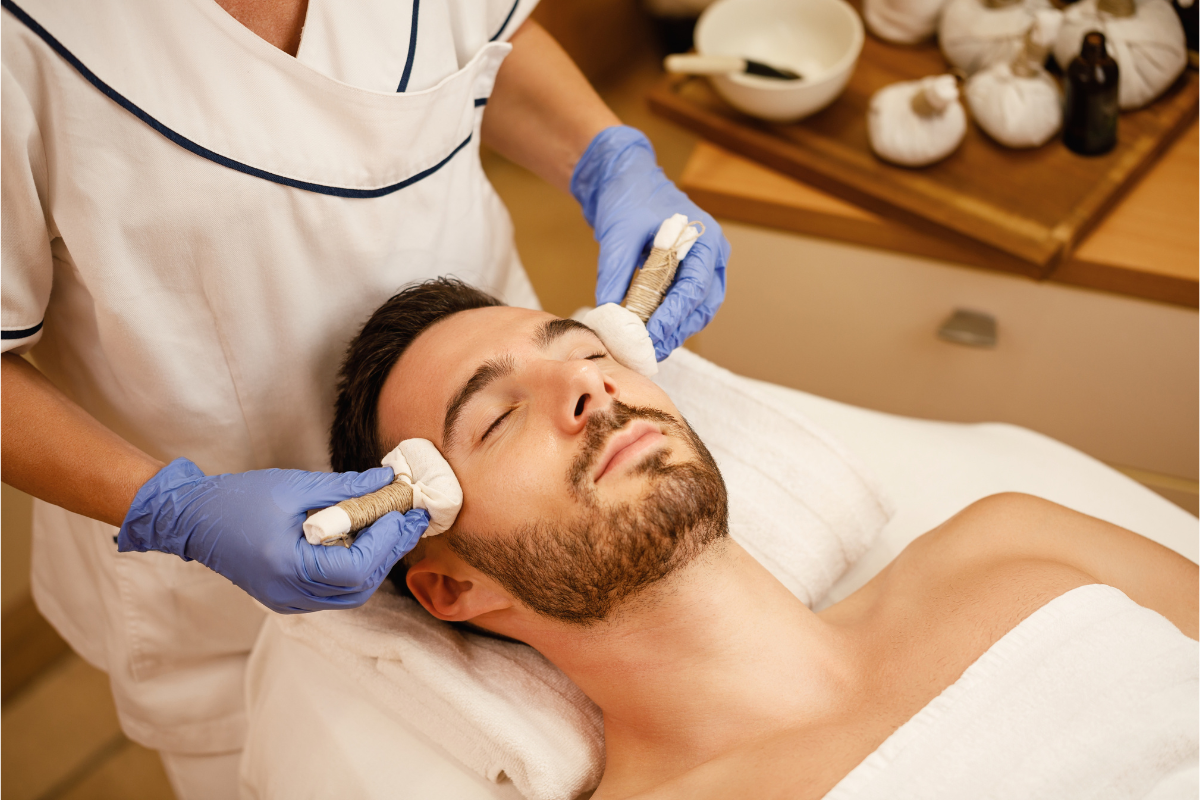
You just walked out of a top-tier clinic in Bangkok or Phuket, your skin is glowing, and you are thrilled about your fresh anti-aging treatment. But as soon as you get back to your hotel or apartment, a wave of exhaustion hits. You want nothing more than to take a quick nap. Suddenly, a wave of panic sets in. If you’re wondering exactly how long after Botox can you lay down, you are not alone.
Post-appointment anxiety is incredibly common among patients receiving non-surgical aesthetic treatments. We invest significant time and money into our appearances, carefully researching certified clinics and prioritizing safety. The last thing anyone wants to do is accidentally compromise their beautiful results by simply resting on a pillow. Aftercare instructions can sometimes feel vague or conflicting, leaving you guessing about what is actually safe.
Botox, or botulinum toxin, is a highly effective treatment that requires precision from your injector and careful compliance from you during the first few hours. Proper aftercare ensures the product stays exactly where it was placed, maximizing your results and minimizing any unwanted side effects.
This guide will demystify the conflicting aftercare instructions you might find online. We will explain the clinical reasoning behind the rules, outline the exact timelines you need to follow, and provide practical tips to help you protect your investment without sacrificing a good night’s sleep.
Why Post-Botox Positioning Matters
To understand the strict rules surrounding your posture, we first need to look at how this popular injectable actually works. Botulinum toxin functions by temporarily blocking nerve signals to localized facial muscles. When acetylcholine, the neurotransmitter responsible for muscle contraction, is inhibited, the targeted muscle relaxes. This relaxation smooths out the overlying skin, erasing dynamic wrinkles.
Have you ever heard horror stories about Botox “migrating” to other parts of the face? Let’s break down that medical jargon. Clinicians are primarily concerned with “local diffusion” rather than true “migration.” Diffusion refers to the product spreading to unintended nearby muscles right next to the injection site, rather than traveling long distances across your body.
The stakes here are surprisingly high. Keeping the product exactly where your doctor injected it prevents a host of unwanted side effects. If the toxin diffuses into the wrong muscle group, patients can experience eyelid ptosis (drooping), brow ptosis, or noticeable facial asymmetry. According to leading aesthetics experts, localized diffusion is most likely to happen in the first few hours when the injection sites are fresh and the liquid has not yet fully bound to the nerve receptors.
Exactly How Long After Botox Can You Lay Down?
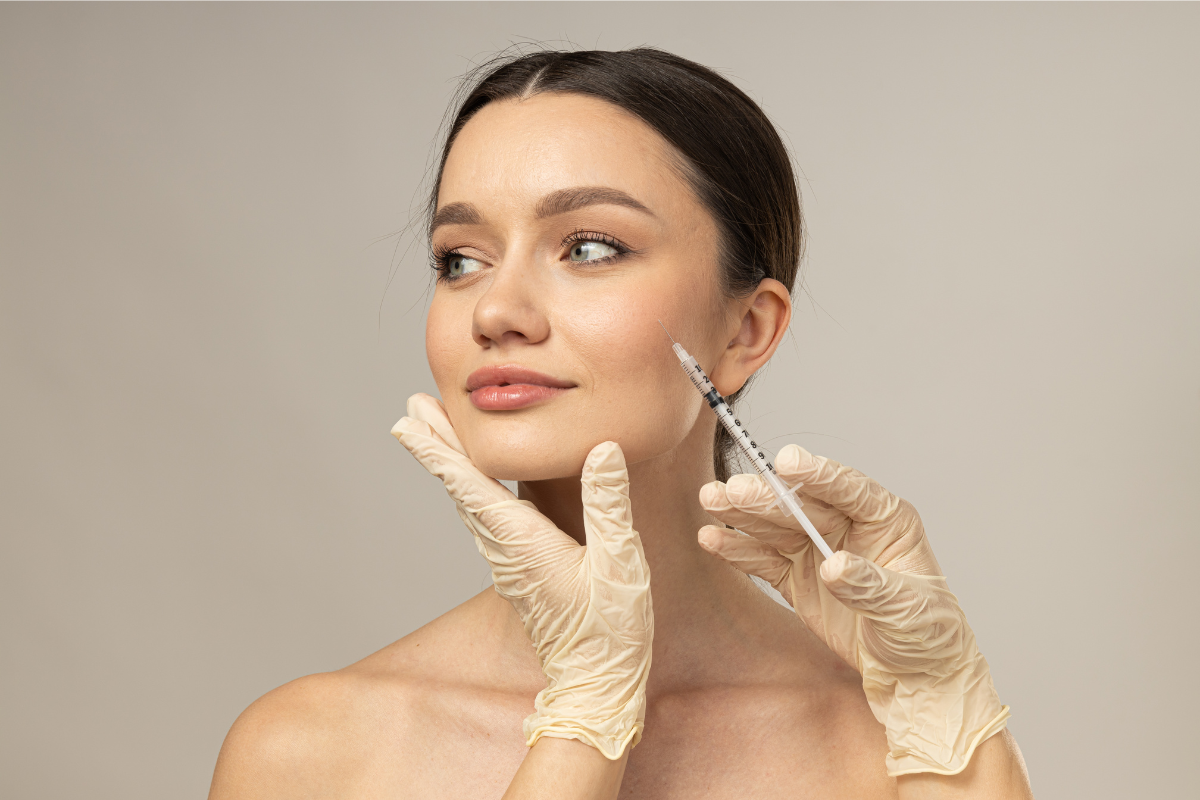
If you want the absolute safest answer for how long after Botox can you lay down, the golden rule accepted by most dermatology and aesthetic medicine practices is to remain upright for at least four hours post-treatment. Keeping your head elevated above your heart during this critical window gives the medication ample time to settle into the targeted neuromuscular junctions.
The clinical reasoning behind this specific timeframe is quite straightforward. The needle entry points are still fresh, and the liquid volume of the injection is sitting directly in the muscle tissue. Staying upright minimizes the risk of early manipulation. When you lie flat, gravity shifts. More importantly, lying down significantly increases the likelihood that you might accidentally rub your face against a pillow, couch cushion, or blanket. This physical pressure is the primary culprit behind unwanted product spread.
While four hours is the widely accepted consensus, provider variations certainly exist. Depending on your specific anatomy, the dosage used, and the precise injection areas, some clinics may recommend waiting anywhere from two to six hours. For instance, heavy doses in the forehead or glabella (the “11” lines between your eyebrows) often prompt doctors to suggest a full six-hour upright window to be absolutely safe. Always defer to the specific instructions given by your certified injector.
How Long After Botox Can I Sleep on My Side?
This brings us to another highly common concern, especially as bedtime approaches. The vital distinction to understand here is the difference between simply lying on your side and applying direct pressure to your injected facial muscles.
So, how long after Botox can I sleep on my side? Generally speaking, once the initial four-hour window has safely passed, assuming your normal sleeping position is considered safe. You do not need to force yourself to sleep entirely upright in a chair overnight.
However, the real risk of side sleeping is the physical pressure it places on your face. Pressing your cheek, temple, or forehead firmly into a pillow can lead to accidental massaging of the treated area. If you received injections in your crow’s feet, squishing the side of your face into a firm mattress could theoretically force the product outward. While the risk decreases significantly after four hours, minimizing direct, heavy pressure on your face for the first night is highly recommended by top aesthetic professionals.
First-Night Sleep Tips for Side Sleepers
Surviving the first night without compromising your treatment requires a bit of strategic planning. If you are a habitual side sleeper, transitioning to a back-sleeping setup for just one evening can make a massive difference in your healing process.
Start by sleeping flat on your back and placing a supportive pillow directly under your knees. This simple ergonomic trick relieves lower back pressure and naturally anchors your body, making it much harder to accidentally roll over in your sleep.
You might also consider some temporary pillow upgrades. Using a contoured travel or neck pillow is an excellent way to keep your head perfectly centered throughout the night. By cradling your neck, these pillows physically prevent your head from falling to one side and compressing your fresh injection sites against the mattress.
Friction reduction is another powerful tool in your aftercare arsenal. Swap your standard cotton pillowcase for a smooth silk or satin alternative. If you do happen to roll onto your side while deep in sleep, a silky surface drastically reduces friction. This prevents your skin from “scrubbing” or dragging against the fabric, which mimics the facial massaging you are supposed to avoid.
Special Cases: Does Treatment Area Change the Rules?
Not all aesthetic procedures are created equal, and the location of your treatment can absolutely dictate how strict your aftercare needs to be.
Medical Botox indications sometimes carry different guidance than purely cosmetic treatments. When doctors use botulinum toxin to treat severe migraines, TMJ (jaw clenching), hyperhidrosis (excessive sweating), or neck spasms, the injection depths and muscle targets vary wildly. For example, masseter injections for jaw slimming or TMJ are placed deep into a very dense muscle. Because this muscle is located lower on the face and is quite thick, the risk of the toxin diffusing into the eye area is practically non-existent.
Conversely, high-risk facial zones demand strict adherence to the upright rule. Injections near the forehead, glabella, and crow’s feet sit dangerously close to the delicate muscles that control your eyelids and brows. A small slip in aftercare here carries a much higher risk of visible drooping compared to smaller cosmetic doses used in the lower face or neck.
What Else You Should (and Shouldn’t) Do After Botox
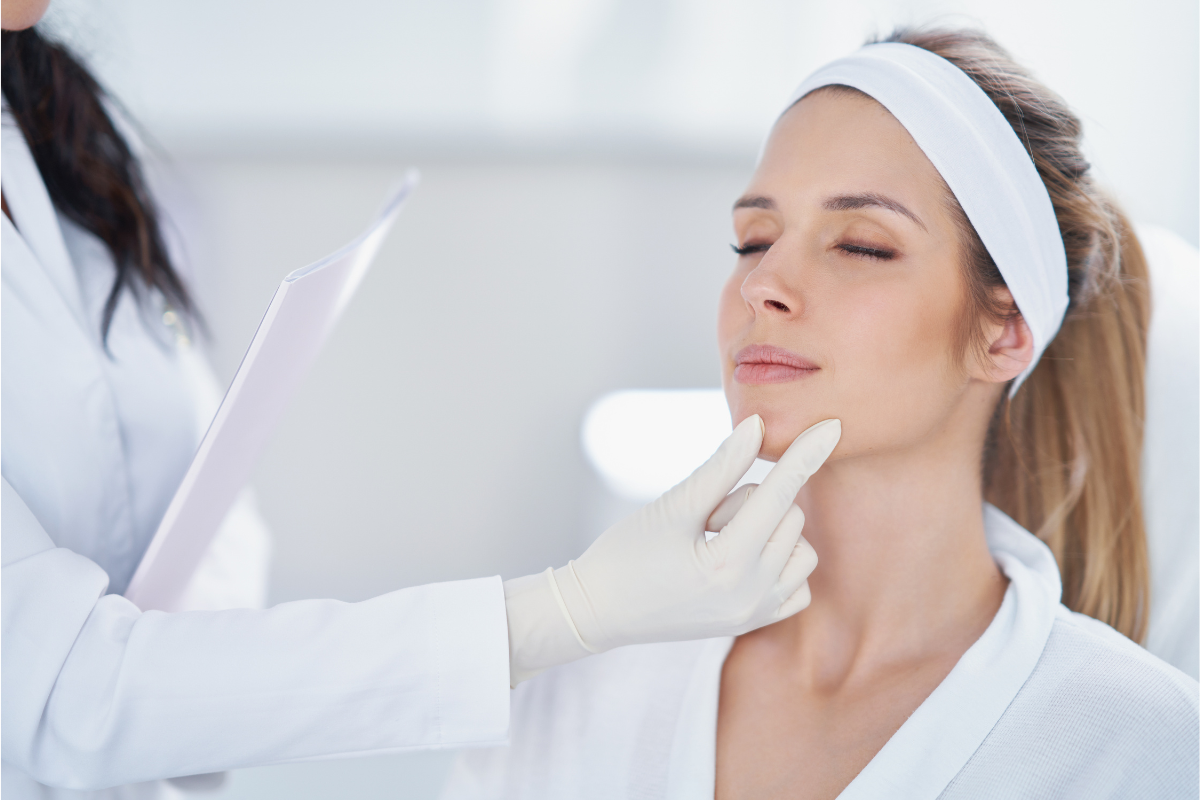
Your sleeping position is only one piece of the post-treatment puzzle. To ensure your investment yields the best possible results, you must follow the 24-to-48-hour rules rigorously.
Exercise and heat are two major elements to avoid. Patients should skip strenuous workouts, hot yoga classes, saunas, and intense sun exposure for at least 24 hours. Why? Intense physical activity and high heat increase your heart rate and cause your blood vessels to dilate. This surge in facial blood flow can easily disperse the localized product before it fully absorbs, leading to sub-optimal wrinkle reduction and a higher chance of severe bruising.
The “hands off” rule is equally critical. Emphasize to yourself the importance of avoiding any form of facial massage. Put away your gua sha tools, jade rollers, and cleansing devices for at least 48 hours. Applying makeup immediately following the procedure is also discouraged, as the stippling and rubbing motions can manipulate the muscle tissue. Finally, hold off on excessive alcohol consumption for the first day, as alcohol thins the blood and will significantly increase your risk of noticeable bruising at the injection sites.
Expected Timeline of Results and When to Worry
Patience is a virtue, especially when waiting for neurotoxins to take effect. Setting realistic expectations will save you from unnecessary stress in the days following your clinic visit.
The waiting game begins the moment you leave the doctor’s office. Unlike dermal fillers, which show immediate volume changes, botulinum toxin takes time to alter the nerve signals. Early effects usually begin to appear within three to five days. You might notice a slight heavy feeling or a mild resistance when you try to raise your eyebrows. The peak effects, where the muscle reaches its maximum relaxation, are typically visible at 10 to 14 days. From there, you can expect your smooth, refreshed results to last generally between three and four months.
While complications are rare when visiting verified, highly trained professionals, knowing the red flags is an important part of patient safety. You should contact your provider immediately if you experience signs of significant eyelid drooping, severe facial asymmetry that impairs your ability to speak or eat, or unexpected, throbbing pain that does not subside.
Protecting Your Aesthetic Investment
Securing a flawless result requires a partnership between your doctor’s technical skill and your dedication to aftercare. By staying upright for those crucial first four hours, avoiding direct pressure to your face while sleeping, and holding off on intense exercise and heat, you give the product the best possible environment to work its magic.
While proper aftercare is incredibly important, the injector’s skill, anatomical knowledge, and precision technique are ultimately the most critical factors in achieving a beautiful, safe result. You can follow every rule perfectly, but poor placement will always yield poor results.
That is why finding a verified, English-speaking clinic with transparent pricing and stellar reviews is the most important step in your beauty journey. Do not leave your face to chance. Explore our curated directory of certified professionals in Thailand and websites like Doodeena read real patient testimonials, and book your consultation with a trusted specialist today to ensure your next aesthetic treatment is a resounding success.