


If you are researching Ultherapy in Thailand, is Ultherapy painful is probably the first question on your mind, right after whether it actually works. The short answer is that most patients describe it as uncomfortable rather than painful, and the sensation fades the moment your session ends. This guide covers the real pain level, what side effects to expect, how long swelling after Ultherapy usually lasts, and the aftercare steps that help your skin heal and your results settle in.
Is Ultherapy Painful? What the Treatment Actually Feels Like
Ultherapy uses focused ultrasound energy to reach the SMAS layer, the same deep tissue addressed in a surgical facelift, along with the dermis just beneath the skin’s surface. Because the energy is delivered below the surface rather than on top of it, you will not see a burn or a wound. What you feel instead is heat: short, quick bursts of warmth as each ultrasound pulse reaches its target depth, sometimes paired with a tingling or prickling sensation.
That sensation is the reason so many first-timers ask about Ultherapy side effects and pain before they book. It is worth separating expectation from reality here. Ultherapy is not injection-based and involves no cuts, so there is no surgical pain to compare it to. What patients describe is closer to brief, localized heat than an ache.
Pain Scale: What Patients Actually Report
On a standard 1 to 10 pain scale, most patients rate Ultherapy between 3 and 6. The treatment area makes a real difference, since thinner skin and areas closer to bone transmit the ultrasound energy differently than fuller, well-cushioned areas.
| Treatment Area | Typical Pain Rating (0 to 10) | Why |
|---|---|---|
| Cheeks and mid-face | 2 to 4 | Thicker skin and more underlying fat cushion the energy |
| Jawline | 3 to 5 | Skin is thinner here and sits closer to bone |
| Under chin and neck | 3 to 6 | Thinner skin with a higher concentration of nerve endings |
| Forehead | 3 to 5 | A bony area, so pulses can feel sharper and more direct |
| Décolletage or chest | 4 to 7 | Thinner, more sensitive skin than the face |
What Affects How Much It Hurts
- Your individual pain tolerance, which varies from person to person regardless of the treatment area
- The transducer depth used, since deeper settings aimed at the SMAS layer tend to feel more pronounced than shallower passes
- The practitioner’s experience, as skilled providers adjust energy levels and pacing to keep sessions tolerable
- The treatment area itself, with bony or thin-skinned zones generally registering more sensation than fuller areas
- Whether you are treated with a newer system such as Ultherapy Prime, which many clinics report as more comfortable than earlier devices
How Thai Clinics Manage Discomfort During Treatment
Reputable clinics in Bangkok and other parts of Thailand build pain management into the treatment itself rather than leaving patients to simply tolerate it. Options commonly offered include:
- Topical numbing cream applied 20 to 30 minutes before the session to reduce surface sensitivity
- Cooling devices or cool air directed at the skin during treatment to offset the heat of each pulse
- Over-the-counter pain relief taken about an hour before your appointment, for patients who want extra comfort
- Adjustable energy settings, so your provider can dial intensity up or down based on your real-time feedback
- Ongoing communication throughout the session, with pauses available if a particular pass feels too intense
Newer devices have also changed the comfort conversation. If you are choosing between technologies, comparing HIFU, Ultherapy, and Thermage side by side can help you understand how each one feels and performs before you commit to a treatment plan. Pricing also varies by device, area, and clinic, so it is worth reviewing Ultherapy pricing in Thailand alongside your comfort research.
Ultherapy Side Effects: What’s Normal After Treatment
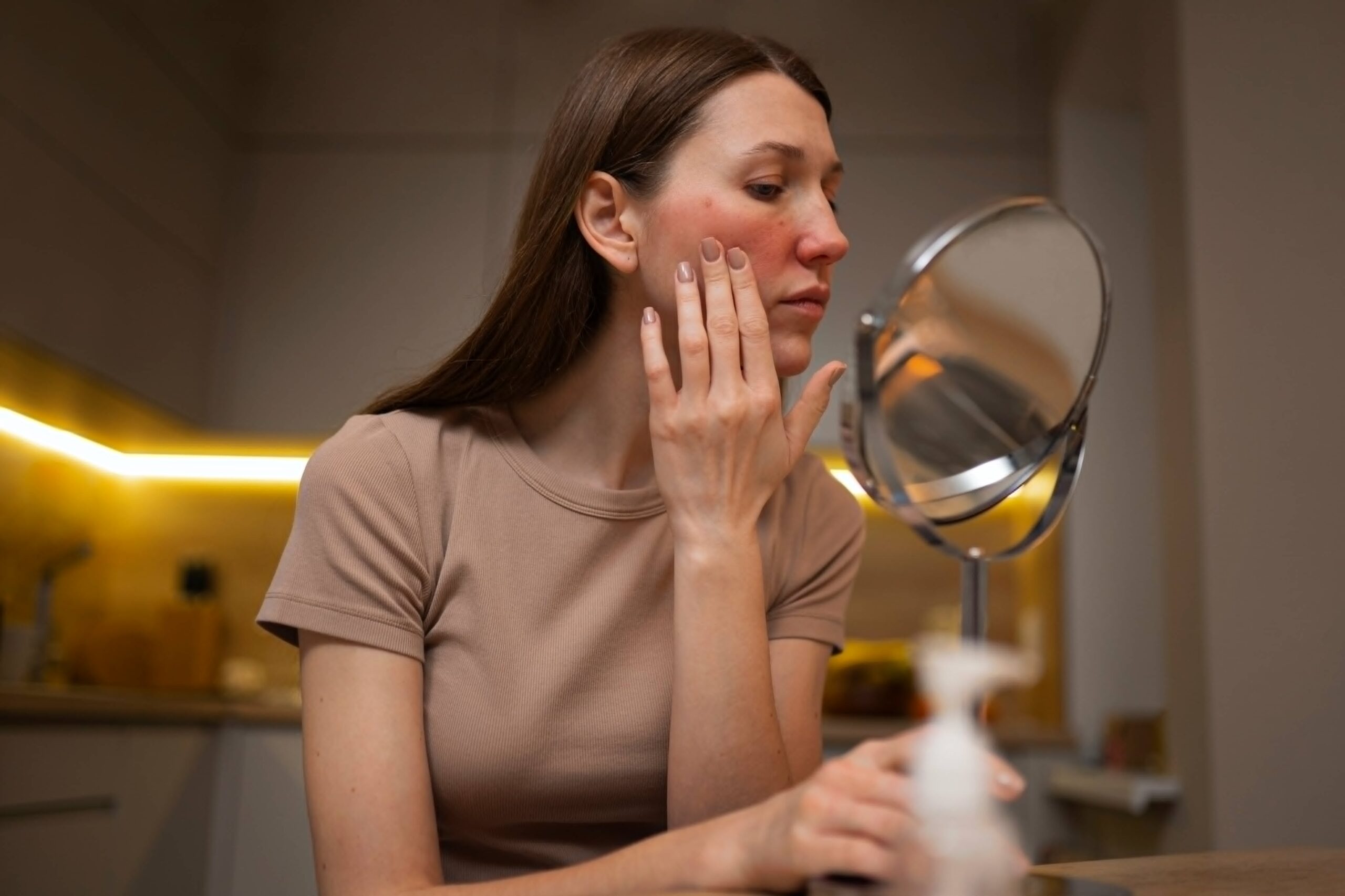
Ultherapy side effects are generally mild and short-lived, especially compared with surgical facelift recovery. Here is what tends to show up and how long each one typically lasts.
| Side Effect | How Long It Usually Lasts | What It Feels Like |
|---|---|---|
| Redness or flushing | A few hours | Warm, slightly pink skin right after treatment |
| Swelling | A few hours to several days | Most noticeable along the jawline and under the eyes |
| Tenderness or tingling | A few days, sometimes up to 2 to 3 weeks | Similar to post-workout muscle soreness |
| Temporary numbness | A few days, rarely longer | Mild reduced sensation where nerves were near the energy |
| Bruising | About a week | More likely if you take blood thinners or supplements like fish oil |
| Small welts or bumps | A few days | Temporary marks along the lines where energy was delivered |
These effects line up with what’s reported in the consumer health literature on the treatment, including an overview from WebMD, which notes that most patients experience little to no discomfort during the session itself and describe the process as tolerable rather than painful.
Serious complications are rare. Data submitted to US regulators as part of an FDA device safety review found that almost all recorded adverse events during clinical testing were mild and fully resolved, with no serious or unanticipated device-related events reported. A separate registered clinical trial protocol on ClinicalTrials.gov lists the expected range of effects as localized discomfort, redness, swelling, tenderness, and temporary nerve effects, all consistent with what clinics report seeing in practice.
Swelling After Ultherapy: Timeline and What Helps
Swelling after Ultherapy is one of the most common questions from first-time patients, and it is almost always mild. The ultrasound energy triggers a controlled inflammatory response as part of the collagen-building process, so some puffiness is a sign the treatment is doing its job rather than a red flag.
Swelling tends to peak within the first day, is most visible in thinner-skinned areas like under the eyes and along the jawline, and settles noticeably within a week for most patients. A few things that help it resolve faster:
- Applying a cold compress to swollen areas for short periods in the first 24 to 48 hours
- Sleeping with your head slightly elevated on an extra pillow for the first two to three nights
- Staying well hydrated in the days after treatment
- Avoiding hot showers, saunas, and steam rooms until swelling has settled
Ultherapy Recovery Timeline
One of the appeals of Ultherapy is that there is no real downtime. Still, it helps to know what to expect at each stage as your skin heals and your results gradually develop.
| Stage | What to Expect |
|---|---|
| Day 1 | Redness, warmth, mild swelling, and a tight sensation. Most people return to work or normal plans immediately. |
| Days 2 to 7 | Tenderness, occasional bruising, and swelling gradually fade. Makeup can typically be worn after the first 24 hours. |
| Weeks 2 to 3 | Skin generally feels back to normal, though mild lingering tingling or numbness can occasionally persist. |
| Months 1 to 3 | Collagen remodeling is underway. Early tightening becomes more visible as new collagen fibers form. |
| Months 3 to 6 | Results typically reach their peak as the collagen-building process completes. |
Ultherapy Aftercare: How to Support Healing and Results
Good Ultherapy aftercare is simple, and most of it comes down to protecting your skin while it rebuilds collagen behind the scenes.
Do:
- Apply broad-spectrum SPF 30 or higher daily, and reapply if you are outdoors
- Use a gentle, non-irritating cleanser and a soothing moisturizer for the first week
- Keep up your fluid intake to support your skin’s natural healing process
- Use a cold compress if swelling or tenderness bothers you
- Sleep with your head slightly elevated for the first two to three nights if you notice swelling
Avoid:
- Makeup for the first 24 hours to let your skin breathe and reduce irritation
- Saunas, steam rooms, hot showers, and strenuous exercise for the first 24 to 48 hours
- Retinoids, AHAs, BHAs, vitamin C serums, and harsh scrubs for about a week
- Facials, microneedling, laser treatments, or other facial procedures for at least two weeks
- Alcohol and blood-thinning medications or supplements, such as aspirin, ibuprofen, or fish oil, for 48 hours where possible, unless your doctor has instructed otherwise
If you would like a broader reference alongside these steps, our general aftercare guide for aesthetic procedures in Thailand covers recovery tips across other popular treatments as well, and our comparison of non-surgical face lifting options in Thailand is a useful next read if you are still deciding between Ultherapy, HIFU, and thread lifts.
When to Contact Your Clinic
Most Ultherapy side effects are mild and resolve on their own, but a small number of symptoms are worth a call to your provider rather than waiting out. Reach out if you notice:
- Intense pain that over-the-counter medication does not relieve
- Blistering or broken skin in the treated area
- Swelling that worsens rather than improves after the first few days
- Signs of infection, such as increasing warmth, redness, or discharge
- Numbness, muscle weakness, or visible indentations that persist well beyond the typical two- to three-week window
These situations are uncommon, and choosing an experienced, licensed provider from the start goes a long way toward avoiding them. Our guide on how to choose a safe, reputable clinic walks through what to check before you book.
Ultherapy: Key Takeaways and What to Expect

Worrying about pain shouldn’t be what keeps you from a treatment you’re otherwise excited about. Ultherapy’s discomfort is brief, manageable, and nothing close to surgical recovery, and the side effects that follow are, for almost everyone, a short and predictable part of getting firmer, tighter skin. What matters most is choosing a clinic that takes your comfort seriously and gives you clear aftercare guidance from the start. At Doodeena, we help you discover and compare trusted clinics across Thailand, so you can walk into your Ultherapy appointment informed, and walk out knowing exactly what to expect next.
Frequently Asked Questions About Ultherapy Pain, Recovery, and Side Effects
Is Ultherapy more painful than HIFU?
They feel fairly similar, since both use focused ultrasound energy. Some patients find HIFU devices slightly more intense depending on the settings used, but pain tolerance and treatment area affect both treatments more than the technology itself.
Does Ultherapy hurt more on the neck than the face?
The neck often registers slightly more sensation because the skin is thinner and closer to nerve endings than the cheeks, though most patients still describe it as tolerable.
How long does swelling after Ultherapy last?
Swelling is typically most noticeable on the first day and settles significantly within a week. Thinner-skinned areas like under the eyes may take a little longer to fully calm down.
Can I wear makeup after Ultherapy?
Most clinics recommend waiting 24 hours to let your skin settle, then resuming makeup as normal once any redness or sensitivity has eased.
Is numbness after Ultherapy normal?
Mild, temporary numbness is a normal and common response as nerves adjust to the ultrasound energy. It typically fades within days to a few weeks. Numbness that persists much longer or comes with muscle weakness is worth mentioning to your provider.