



You just finished a rejuvenating vitamin infusion and feel ready to conquer the day. Elective IV therapy has seen a massive surge in popularity, attracting everyone from athletes seeking rapid rehydration to wellness enthusiasts looking for a nutrient boost. But while the infusion itself is a powerful tool for your health, the real results depend heavily on what happens next.
If you want to maximize the benefits of your session and avoid uncomfortable complications, knowing exactly what not to do after iv drip therapy is critical. Many people experience anxiety about post-drip protocols, wondering how to manage minor bruising or exactly when it is safe to return to the gym or enjoy a night out. This guide is designed to relieve that uncertainty.
We will walk you through immediate aftercare, proper IV site maintenance, fluid balance, exercise guidelines, and the red flags you should never ignore. Let’s break down the essential recovery rules to ensure your treatment is safe, comfortable, and effective.
Immediate Post-Infusion Aftercare (The First 1–2 Hours)
The moment your session ends, your body begins processing the sudden influx of fluids and nutrients. It is completely normal to experience a range of mild sensations right after a drip. You might feel a wave of mild fatigue, feel immediately energized, or even notice a faint metallic taste in your mouth.
However, you must pay attention to how your body handles the transition. Do not rush into strenuous activity or jump behind the wheel of a car if you feel lightheaded, dizzy, or flushed. IV insertion can occasionally trigger a vasovagal response,a sudden or temporary drop in blood pressure and heart rate that causes fainting or near-fainting. This is often caused by anxiety around needles or transient blood pressure changes.
If you feel weak or “off,” give your body time to stabilize. Sit or stand up slowly, have a light snack, and monitor your symptoms for at least 30 to 60 minutes before leaving the clinic.
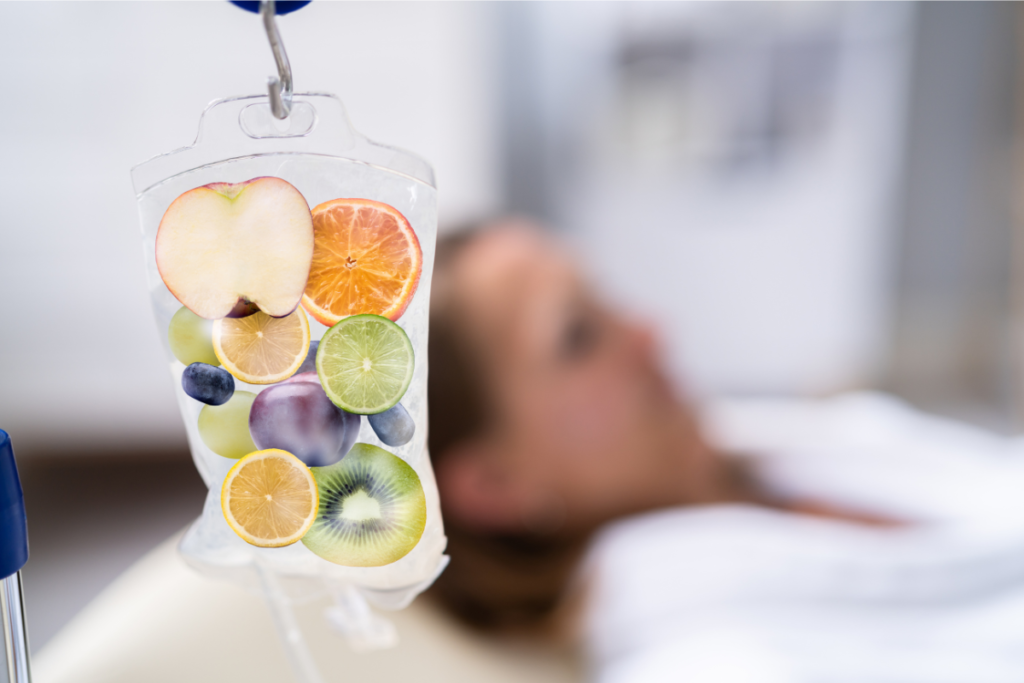
IV Site Care: What Not to Do
Proper wound care at the puncture site is essential for a smooth recovery. Your nurse or specialist will apply a pressure dressing to the injection site, and you should not remove this dressing too early. Leave it on for at least an hour, or longer if there is still minor bleeding or oozing.
Once the bandage comes off, treat the area gently. Avoid scratching, rubbing aggressively, or applying unclean topical creams to the puncture wound. You should also avoid soaking the site right away. This means skipping pools, hot tubs, or long baths for the first 24 hours to prevent bacteria from entering the open vein and causing an infection.
It is important to distinguish between normal minor effects and abnormal complications. Mild bruising and tenderness at the injection site are common. However, you should watch for warning signs of more severe issues:
- Phlebitis: Vein inflammation characterized by warmth, tenderness, and red streaking along the vein.
- Infiltration: Fluid leaking into the surrounding tissue, causing swelling, tightness, and coolness at the site.
If you notice these abnormal complications, contact your clinic for guidance.
Hydration and Diet: What to Avoid
A common misconception is that one IV drip means you are fully hydrated for days. While IV fluids expand your circulating volume quickly, your body continues to regulate fluid via your kidneys and hormones. Your hydration needs continue and depend heavily on the heat, your exercise levels, and your diet.
Do not overcorrect by downing excessive amounts of plain water immediately after a drip. Overhydrating with hypotonic fluids (plain water) can dilute your electrolytes and lead to a condition called hyponatremia, where your blood sodium levels drop dangerously low.
You must also strongly advise yourself against drinking alcohol right after your session. Alcohol is a potent diuretic that suppresses the antidiuretic hormone, promoting rapid fluid loss. This directly counteracts the rehydration process and places a heavy burden on your liver. If your infusion included medications for a hangover or gastroenteritis, alcohol can increase sedation or worsen stomach inflammation.
Similarly, downing excessive caffeine or consuming extremely high-sodium “detox” meals can disrupt the delicate fluid and electrolyte balance your IV just achieved. Stick to a balanced, normal diet and drink water to thirst.
Exercise and Physical Exertion: What to Do After IV Drip
You might feel a sudden burst of energy, but you need to know when to hold off on hitting the gym. Warn yourself against intense workouts immediately following a drip, especially if you experienced dizziness, low blood pressure, or received the IV to recover from a recent illness like gastroenteritis.
There are mechanical risks to consider. Heavy lifting or repetitive arm exercises, such as bicep curls, on your IV arm can significantly increase blood circulation and place stress on the puncture site. This mechanical stress can easily provoke prolonged bruising or bleeding. Furthermore, intense sweating in a communal gym environment right after an infusion introduces unnecessary infection risks to the puncture site.
So, what to do after iv drip therapy when you want to stay active? Ease back into movement safely. Opt for light walking, gentle yoga, or basic stretching, provided you feel entirely well. Save the high-intensity interval training and heavy weightlifting for the next day when your body has fully absorbed the nutrients and the puncture site has started to heal.
Medications, Supplements, and Health Conditions
Elective IV therapy delivers vitamins, minerals, and fluids directly into your bloodstream, completely bypassing your gut’s natural regulation system. Because of this direct delivery, you should never “stack” or double-dose oral supplements right after a nutrient drip.
Taking extra magnesium, potassium, or high-dose vitamin B6 immediately following an infusion can cause dangerous spikes in your blood levels. Potassium and magnesium profoundly affect your heart rhythm, and abnormal levels can be hazardous.
“Oral hydration is preferred when tolerated, and more isn’t always better with electrolytes.”
Higher-risk groups must exercise extreme caution. Individuals with kidney disease, heart failure, significant hypertension, or those who are pregnant should not get routine drips without strict medical oversight. Reduced kidney function means a lower ability to excrete excess electrolytes, putting you at a much higher risk of fluid overload or severe imbalances. Always disclose your full medical history and current medications to the clinic before undergoing treatment.

Red Flags: When to Seek Medical Attention
While complications from IV therapy are uncommon when performed by certified professionals, you must listen to your body. Certain symptoms require immediate medical evaluation. Do not ignore this bolded checklist of red flags:
- Signs of a potential severe allergic reaction: Trouble breathing, wheezing, facial or lip swelling, hives, chest pain, or fainting.
- Signs of severe electrolyte issues: Severe headache, persistent rapid heartbeat, sudden confusion, extreme muscle weakness, or seizures.
- Signs of localized infection or extravasation injury: Spreading redness, intense warmth, pus, fever, significant swelling, blistering, or skin discoloration near the IV site.
If you experience any of these symptoms, seek emergency medical care immediately. Prompt attention reduces the risk of long-term complications and ensures your safety.
Maintaining Your Wellness Safely
Proper aftercare is just as important as the IV drip itself. By keeping the injection site clean and dry, easing back into physical activity, avoiding alcohol and supplement stacking, and maintaining a balanced approach to hydration, you set yourself up for optimal results. Your body is incredibly adept at finding equilibrium, and giving it the right environment post-infusion ensures a safe, comfortable, and highly effective recovery.
Always listen to your body and prioritize safety over rapid exertion. If you are an expat or tourist in Thailand seeking high-quality, safe, and transparent aesthetic or wellness treatments, proper research is key. Consult your healthcare provider for personalized advice before your next session, or explore verified, English-speaking specialist clinics on Doodeena to book a consultation with certified professionals you can trust.