


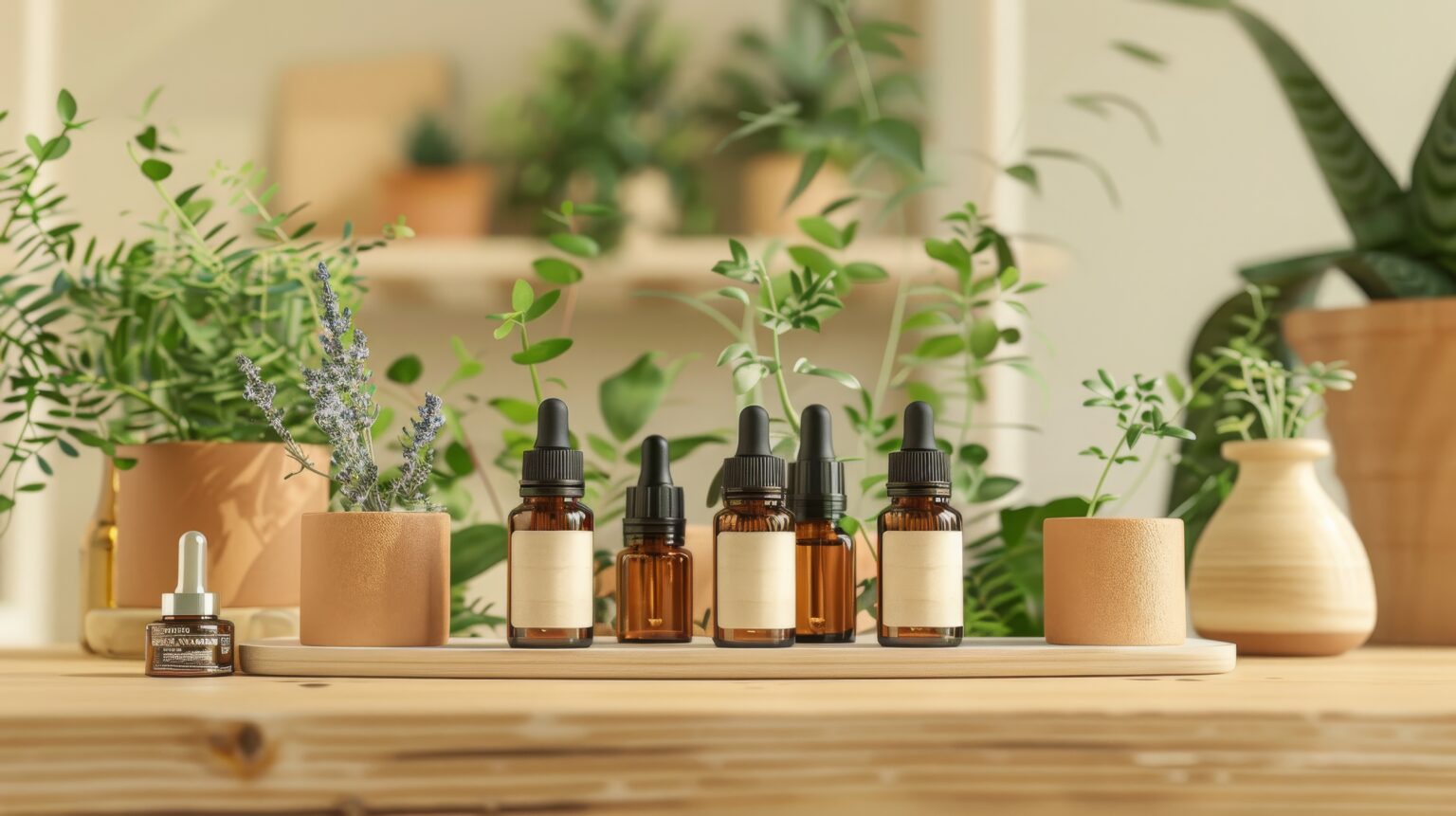
Thai beauty, now widely known as T-Beauty, is the next wave rising out of Asia. For years the global spotlight belonged to Korea, but Thailand has quietly built a beauty culture that blends ancient herbal wisdom with viral makeup trends and some of the most advanced aesthetic clinics in the region. This guide explains what T-Beauty actually is, how it compares to K-Beauty, and the three pillars that make Thai skincare and beauty a movement of its own.
Quick Summary
- T-Beauty (Thai beauty) covers Thailand’s skincare, cosmetics, spa rituals, and clinic treatments, built around natural ingredients and a glow-from-within philosophy.
- It is growing fast. Thailand’s beauty market is now valued at over $8 billion and expanding by around 10% a year, outpacing the wider economy.
- Where K-Beauty leans on technology and multi-step routines, T-Beauty focuses on natural, plant-based ingredients and personalised results.
- Its three pillars are natural Thai ingredients, traditional beauty rituals, and Bangkok’s modern aesthetic clinic culture.
- Thailand is now the second-largest aesthetic medicine hub in Asia after South Korea, drawing visitors for natural-looking, affordable treatments.
What Is T-Beauty?
T-Beauty is the shorthand for Thai beauty: the skincare, cosmetics, perfumes, spa rituals, and clinic treatments that come out of Thailand. Industry leaders describe it as Thai skincare and cosmetics that absorb Korean and Japanese influences while staying rooted in Thai cultural elements and homegrown ingredients. In other words, T-Beauty is not a copy of its neighbours. It takes what works globally and filters it through Thailand’s own herbal traditions and tropical climate.
The momentum is real. According to Thailand’s government, the country’s beauty market is now worth over $8 billion and growing by more than 10% a year, well ahead of both the national economy and the global beauty average. Homegrown brands such as Mistine, Cathy Doll, Srichand, and 4U2 have moved from convenience-store shelves at home to export success across China, Japan, and the Middle East.
Part of what powers this growth is Thailand’s manufacturing base. The country is home to hundreds of certified factories, abundant tropical plant resources, and research that blends modern science with traditional knowledge. That ecosystem lets Thai brands move quickly from idea to shelf, and it is one reason Thai skincare keeps surprising people who only know K-Beauty.
T-Beauty vs K-Beauty: What’s the Difference?
Both share a love of glowing, healthy skin, but their philosophies differ. K-Beauty became famous for its layered routines and lab-driven innovation. Thai beauty leans more on natural ingredients and a results-first, personalised approach shaped by a hot, humid climate.
| K-Beauty (Korea) | T-Beauty (Thailand) | |
|---|---|---|
| Core focus | New technology and functional cosmetics | Natural ingredients and personalised problem-solving |
| Signature routine | Multi-step layering (often 7 to 10 steps) | Fewer products, chosen with care, climate-friendly |
| Hero ingredients | Snail mucin, centella, fermented extracts | Turmeric, tamarind, rice, coconut, lemongrass |
| Built for | Cooler, drier climates | Heat, humidity, and strong sun |
| Beauty ideal | Polished, poreless glass skin | Dewy, natural radiance with facial harmony |
The simplest way to think about it: K-Beauty often asks how many steps it can perfect, while T-Beauty asks which natural ingredient best solves a specific problem. That difference runs through everything below.
The Three Pillars of Thai Beauty
Three foundations explain why Thai beauty feels different from anything else in the region. Together they form a full beauty philosophy that runs from the bathroom shelf to the spa to the clinic chair.
1. Natural Thai Ingredients
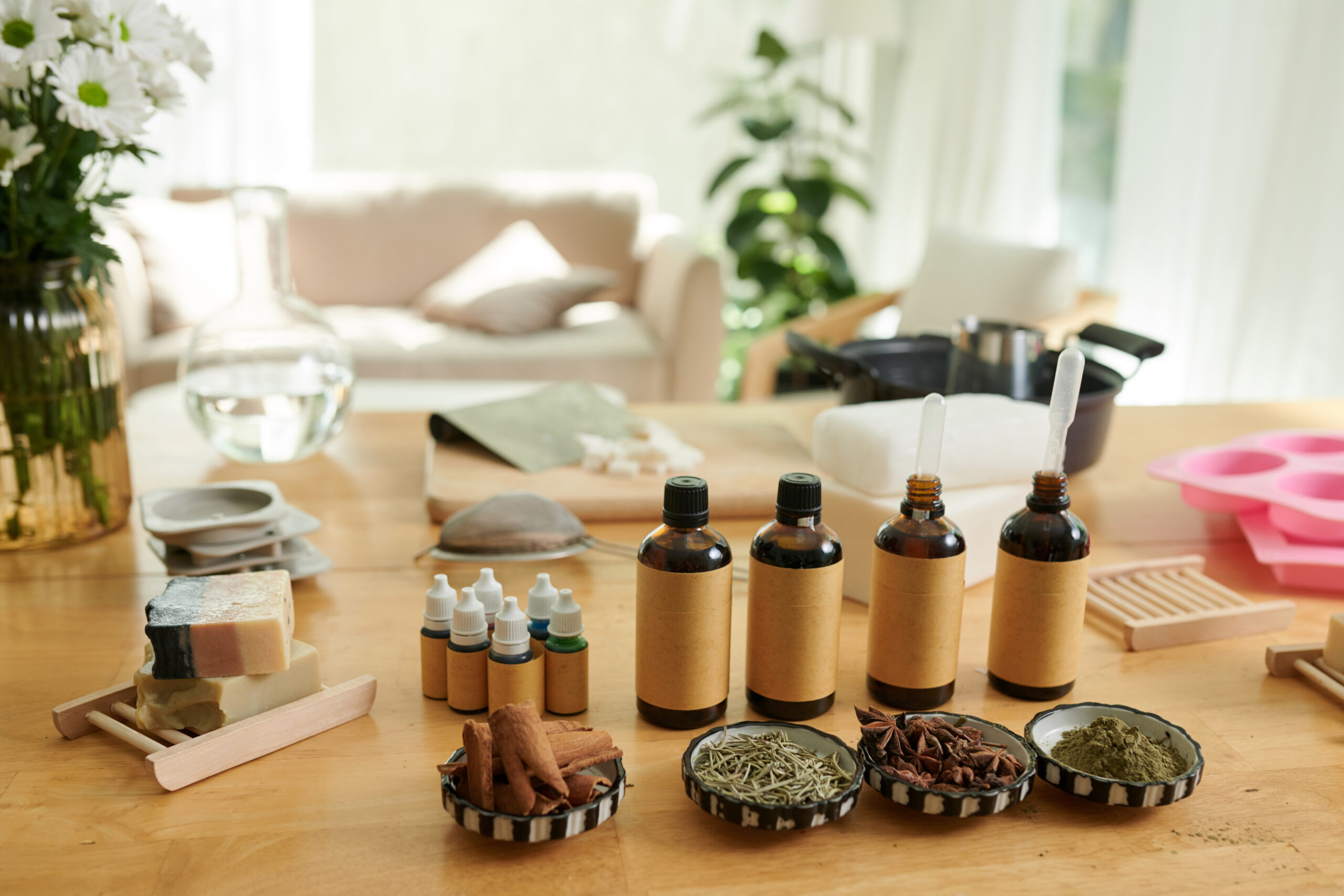
Thailand’s tropical landscape is full of plants that have been used on skin for centuries, long before they appeared in modern jars and serums. Thai skincare still treats the kitchen and the garden as the first beauty counter.
| Ingredient | What it is known for |
|---|---|
| Turmeric | Antioxidant and anti-inflammatory; calms blemishes and adds a golden glow |
| Tamarind | Natural source of AHAs that gently exfoliate and brighten dull skin |
| Jasmine rice / rice water | Softens, smooths, and supports a more even tone |
| Coconut oil | Deep moisture for skin and hair, used in Thailand for generations |
| Lemongrass | Refreshing, clarifying, and a staple of Thai herbal blends |
| Aloe vera | Cooling and soothing relief for sun-exposed tropical skin |
Turmeric is the most revered of all. It is rich in curcumin, a compound valued for its antioxidant and anti-inflammatory properties, which is why health researchers continue to study it. Tamarind, meanwhile, contains natural alpha hydroxy acids that dissolve the bonds between dead skin cells, which is the same principle behind many modern brightening products.
2. Traditional Beauty Rituals
Beyond ingredients, T-Beauty is built on rituals handed down through generations. These are not quick fixes. They treat beauty as part of overall wellbeing, where relaxation and circulation matter as much as what you put on your face.
- Herbal compress (Luk Prakhop): warm bundles packed with turmeric, kaffir lime, lemongrass, ginger, and camphor, steamed and pressed onto the body to ease tension and refresh the skin.
- Herbal steaming: aromatic steam infused with Thai herbs to open pores and calm the mind, still offered in spas across the country.
- Body scrubs: traditional blends of turmeric, tamarind, and jasmine rice that exfoliate gently without the microtears harsher scrubs can cause.
- Thai massage (Nuad Thai): rhythmic pressure and assisted stretching that boosts circulation and supports the skin’s natural glow.
These rituals carry real cultural weight. Traditional Thai massage was inscribed on UNESCO’s Representative List of the Intangible Cultural Heritage of Humanity in 2019, and the Tourism Authority of Thailand promotes it as one of the signature wellness experiences travellers come to enjoy.
3. Bangkok’s Modern Clinic Culture
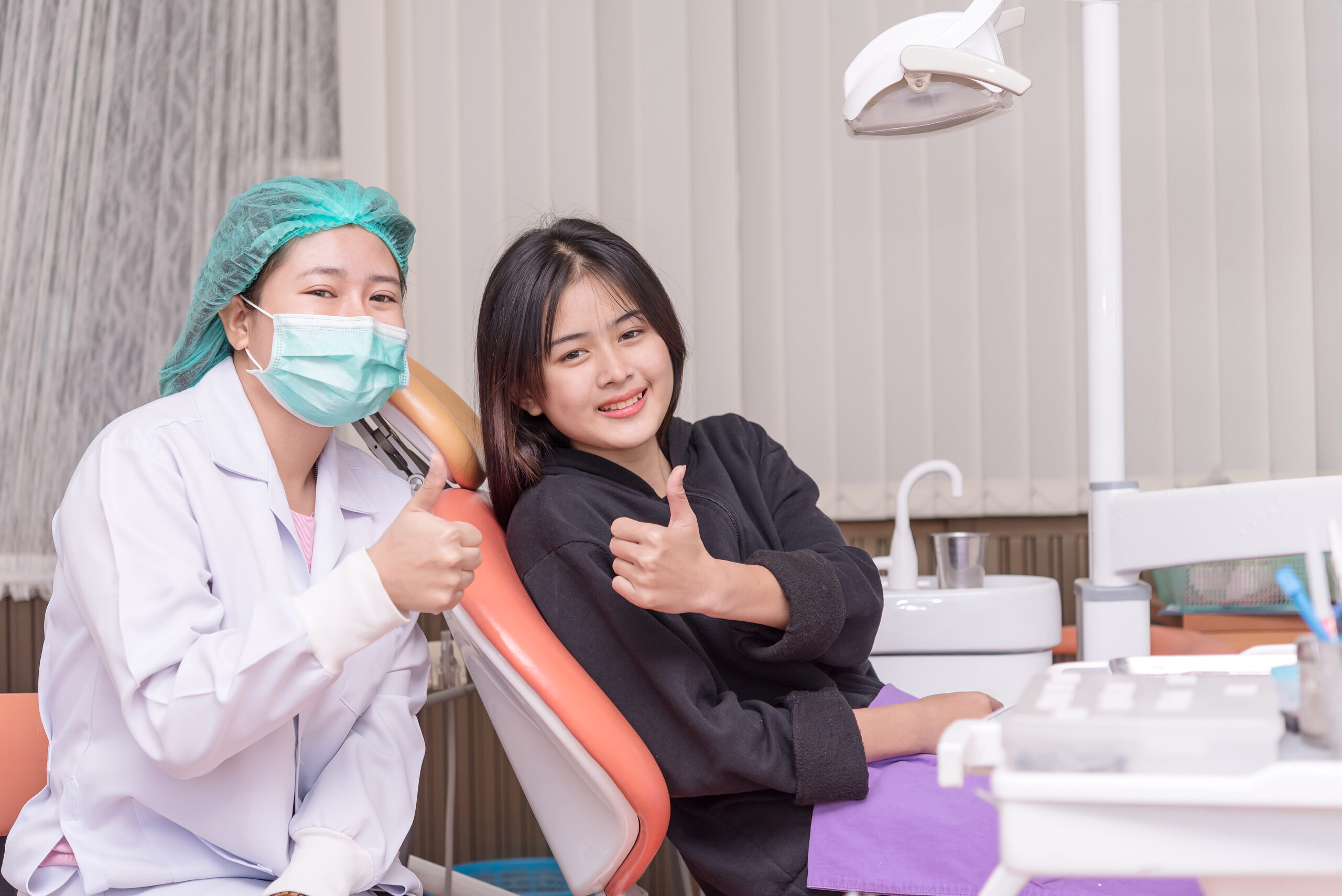
The third pillar is where tradition meets technology. Bangkok has become a global destination for aesthetic medicine, and the Thai approach to it is distinctive: subtle, balanced, and aimed at facial harmony rather than dramatic change. Many of the city’s clinics look more like five-star hotels than hospitals.
Visitors fly in for non-invasive lifting such as HIFU, Ultherapy, and Thermage, along with laser toning, fillers, and Botox. The draw is a rare combination: expert doctors, competitive prices, and natural-looking results. Thailand is now considered the second-largest aesthetic medicine hub in Asia, just behind South Korea.
This is also where Doodeena fits in. If you want to explore the city’s options, our guides to the best skin clinics in Bangkok and the treatments behind glass skin in Thailand are a good place to start, while our anti-aging treatments guide covers the gentler, prevention-first options that match the modern Thai mindset.
Why T-Beauty Is Going Global
Thai beauty’s rise is about more than good formulas. It is riding a wave of cultural soft power that has made Thailand impossible to ignore.
- Entertainment: BL dramas, T-Pop, and global stars like Lisa of BLACKPINK have put Thai style in front of millions of fans across Asia and beyond.
- The Swai Meiku look: a viral makeup style blending Asian softness with Western contouring, built on a dewy base, peachy cheeks, soft eyes, and glossy lips.
- Creator-driven marketing: livestreams, TikTok tutorials, and Xiaohongshu reviews make Thai beauty social, relatable, and easy to discover.
- Climate-tested products: Thai cosmetics are formulated to survive heat and humidity, which has made brands like Mistine bestsellers as far away as China.
Put together, T-Beauty has cultural capital, real innovation, and a price point that keeps it accessible. That mix is exactly what turned its neighbours into global names, and Thailand now has all three.
How to Experience T-Beauty for Yourself
You do not need to be a beauty expert to enjoy Thai beauty. Whether you live in Bangkok or are visiting for a week, here is a simple way to experience all three pillars.
- Try the products. Pick up a few homegrown brands such as Mistine, Cathy Doll, or Srichand from any major beauty store or pharmacy.
- Book a traditional ritual. A herbal compress massage or turmeric body scrub gives you the original, ingredient-led side of T-Beauty.
- Visit a clinic. For treatments like fillers, laser, or non-invasive lifting, choose a licensed clinic. Our Thailand aesthetic clinic directory explains how to pick a safe, reputable one.
- Embrace inner beauty. Thai wellness treats glow as something that starts inside, through hydration, rest, and a balanced lifestyle.
The Bottom Line on Thai Beauty
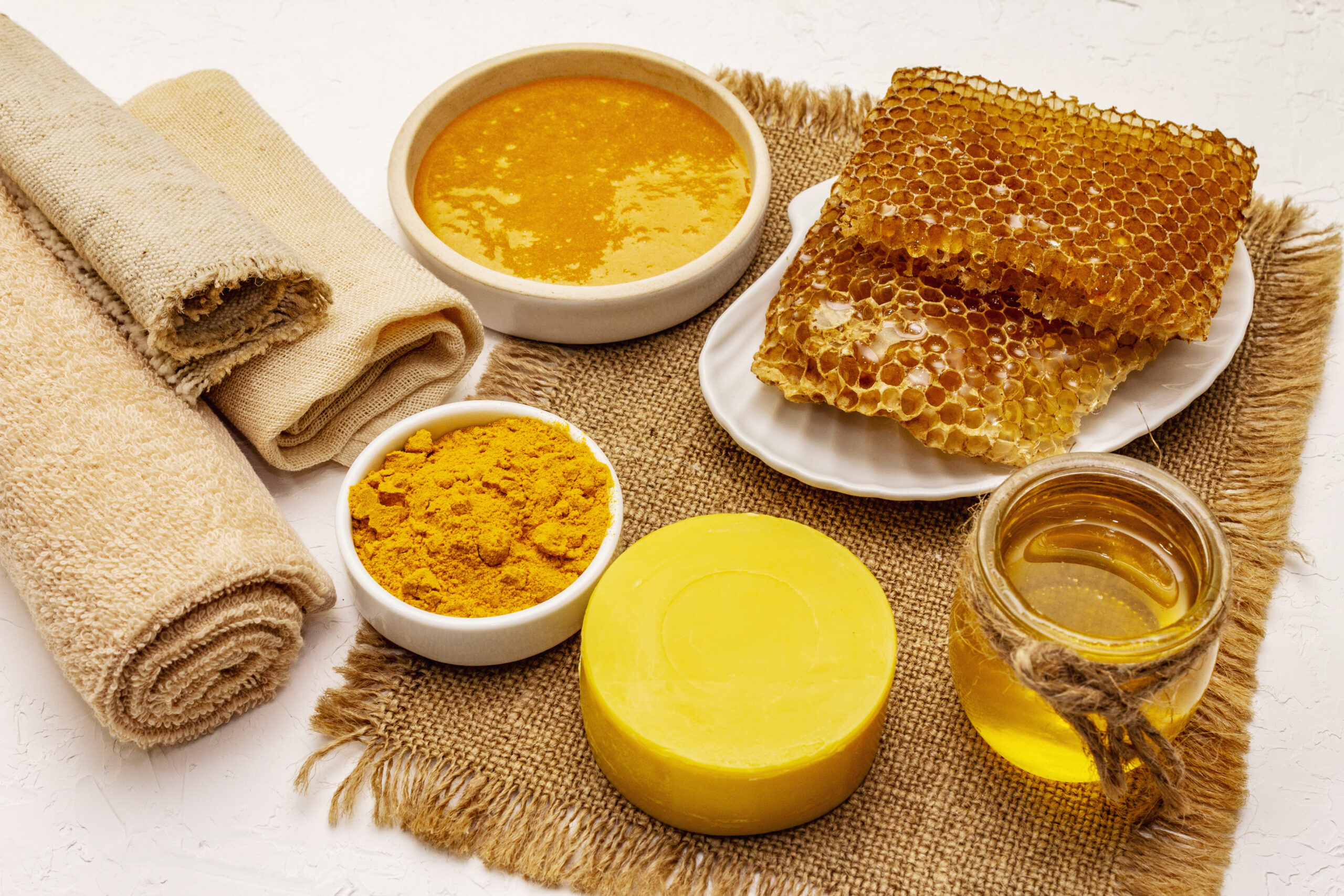
T-Beauty is more than a trend chasing K-Beauty’s crown. It is a complete beauty culture, one that runs from a turmeric scrub made at home, to a centuries-old massage recognised by UNESCO, to a state-of-the-art clinic in the heart of Bangkok. What ties it all together is balance: natural over harsh, harmony over excess, and glow that feels real rather than manufactured.
If you are curious about Thai beauty and want to experience it for yourself, the hardest part is knowing where to go. That is exactly what we built Doodeena for. We help you discover, compare, and book trusted clinics and wellness providers across Thailand, so you can enjoy the best of T-Beauty with confidence instead of guesswork. Start exploring with our Thailand aesthetic clinic directory, and let Doodeena guide your glow.
Frequently Asked Questions About T-Beauty
Is T-Beauty the same as K-Beauty?
No. They share a goal of healthy, glowing skin, but K-Beauty centres on technology and multi-step routines, while T-Beauty centres on natural ingredients, traditional rituals, and personalised, climate-friendly results.
What are the most popular Thai beauty brands?
Some of the best-known names are Mistine, famous for its sunscreens, along with Cathy Doll, Srichand, and 4U2. Many of these have grown into strong export brands across Asia.
What is Swai Meiku makeup?
Swai Meiku is a viral Thai makeup style that blends Asian and Western influences. It features a dewy base, flushed peachy cheeks, soft warm-toned eyes, glossy lips, and fluffy brows for a polished but natural finish.
Is Thailand a good place for aesthetic treatments?
Yes. Thailand is the second-largest aesthetic medicine hub in Asia after South Korea, known for skilled doctors, modern clinics, competitive prices, and a preference for natural-looking results. As with any treatment, choosing a licensed, reputable clinic matters most.
What natural ingredients are used in Thai skincare?
Common ones include turmeric, tamarind, jasmine rice, coconut oil, lemongrass, and aloe vera. Each has a long history in Thai beauty rituals and many now appear in modern skincare around the world.