


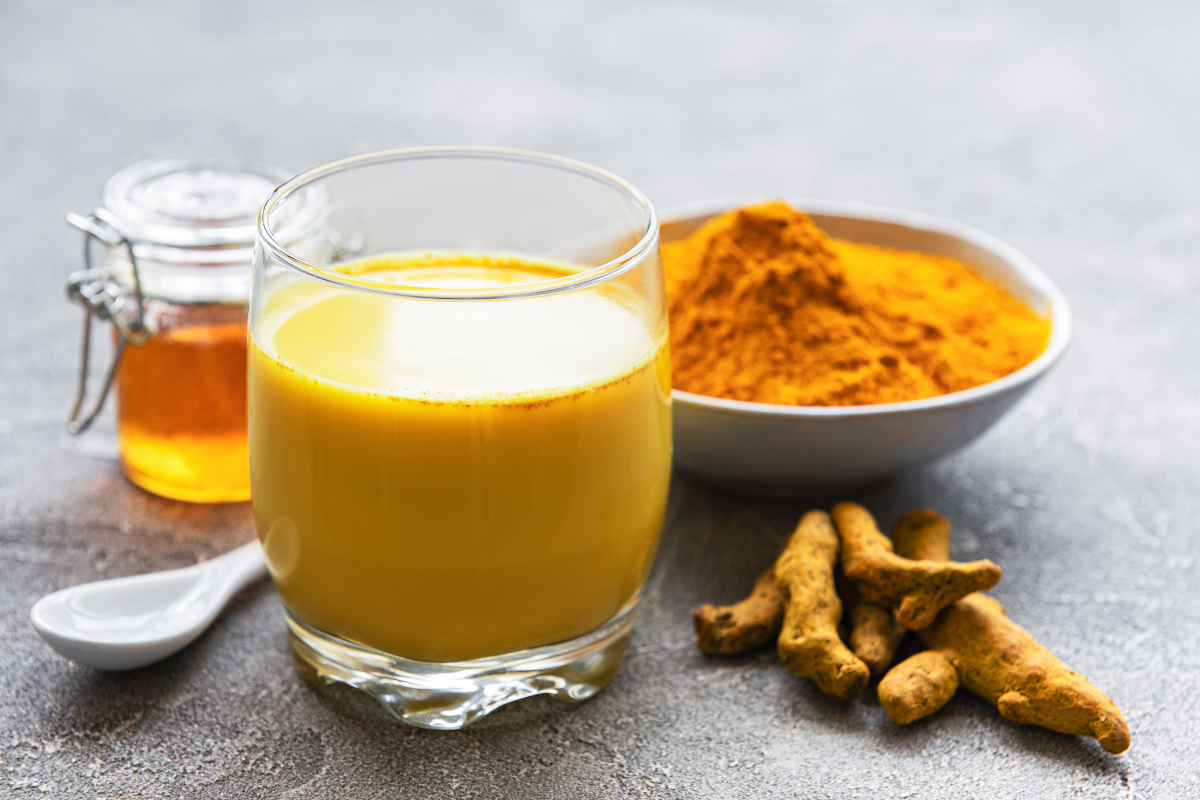
Long before turmeric became a global wellness buzzword, it was already embedded in Thai beauty. Known locally as khamin, it has been used in Thai skincare for centuries: ground into face scrubs, mixed into herbal compresses, and dissolved into bathing rituals passed down through generations. The turmeric benefits for skin are now backed by a growing body of clinical research, making it one of the few traditional ingredients that holds up in both the kitchen and the clinic. This guide covers what the science actually says, how Thailand has used it for generations, and what to expect from professional turmeric treatments in Bangkok today.
Quick Summary
- Turmeric’s active compound, curcumin, has documented anti-inflammatory, antioxidant, antimicrobial, and melanin-inhibiting properties backed by published clinical research.
- Key skin benefits include calming redness and acne, brightening dark spots, protecting against UV-related aging, and supporting a clearer, more even complexion.
- In Thailand, turmeric (khamin) has been a cornerstone of skincare since the Ayutthaya period, used in face masks, body scrubs, herbal compresses, and bath soaks.
- Bangkok spas and aesthetic clinics incorporate turmeric into brightening facials, herbal body scrubs, and Luk Prakhop compress treatments.
- Results are gradual: most users see meaningful improvement in skin tone and inflammation within three to four weeks of consistent use.
The Science Behind Turmeric’s Skin Benefits
Turmeric (Curcuma longa) is a root spice in the ginger family, and the compound responsible for most of its skin effects is curcumin, the polyphenol that gives turmeric its deep yellow-orange colour. Curcumin works through several biological pathways simultaneously, which explains why turmeric has such a broad range of effects on the skin.
A landmark study published in PubMed found that curcumin inhibits melanogenesis in human melanocytes in a dose-dependent manner, suppressing tyrosinase activity and the expression of proteins responsible for melanin production. A separate 2025 review in Frontiers in Pharmacology confirmed that curcumin prevents UV-induced skin photoaging through antioxidant and anti-inflammatory pathways, including inhibition of melanin production and reduction of wrinkle formation.
Taken together, the research supports three core mechanisms through which curcumin benefits skin: blocking inflammatory pathways, neutralising free radicals from UV and pollution exposure, and slowing the melanin production that causes dark spots and uneven tone.
Turmeric Skin Benefits: What Research Supports
Curcumin’s three core mechanisms translate into a wide range of practical benefits. Here is how each plays out on the skin.
| Benefit | What curcumin does | Best for |
|---|---|---|
| Anti-inflammatory | Blocks inflammatory mediators that cause redness, acne, and irritation | Acne-prone, sensitive, and reactive skin |
| Brightening | Inhibits tyrosinase, the enzyme that triggers melanin overproduction | Dark spots, post-acne marks, uneven skin tone |
| Antioxidant shield | Neutralises free radicals from UV, pollution, and environmental stress | Sun-exposed, city-dwelling, and aging skin |
| Acne control | Antibacterial properties reduce acne-causing bacteria; anti-inflammatory calms active breakouts | Oily and combination skin with frequent breakouts |
| Anti-aging | Reduces UV-induced photoaging; antioxidants protect collagen fibres | Anyone concerned about fine lines and dullness |
| Wound healing | Curcumin accelerates cell regeneration and reduces scarring | Post-breakout marks and minor skin damage |
One important caveat from Healthline’s clinical review: turmeric’s bioavailability when applied topically is limited compared to oral intake, which means skincare products with formulated, encapsulated curcumin typically outperform a plain turmeric paste for deep skin benefits. That said, topical turmeric still delivers meaningful surface-level brightening, anti-inflammatory, and antimicrobial effects, which is exactly why it has been used so effectively in traditional Thai beauty for centuries.
Turmeric in Traditional Thai Beauty: The Story of Khamin
The Thai word for turmeric is khamin, and its role in Thai skincare dates back to at least the Ayutthaya period (1350 to 1767), when it was a staple of traditional wellness rituals passed down from healers and households alike. Unlike many trend-driven ingredients, turmeric in Thai beauty was always dual-purpose: it worked in the kitchen and on the skin, which made it a constant household presence.
Traditional Thai beauty texts, as documented by the Thai Embassy’s cultural wellness guides, describe turmeric in three main topical preparations: combined with milk as a face and body mask for brightening and softening, blended with honey and lime for a glow-boosting paste, and mixed with dried tamarind and lime for a deeper exfoliating treatment. The combination of turmeric’s anti-inflammatory curcumin and tamarind’s natural AHAs created a dual-action brightening scrub that anticipated what modern clinicians now call a chemical exfoliant combined with an anti-inflammatory active.
Turmeric’s popularity in traditional Thai beauty experienced a modern revival after the Thai soap opera Love Destiny introduced younger audiences to Ayutthaya-era beauty rituals, sparking widespread interest in traditional khamin scrubs and driving uptake of turmeric-based Thai skincare products both locally and internationally.
Classic Thai Turmeric Preparations
- Khamin and milk mask: Turmeric mixed with warm milk and applied as a 15-minute face and body mask for brightening and anti-inflammatory effects.
- Khamin, honey and lime paste: A glow paste used before special occasions, combining turmeric’s brightening curcumin with honey’s humectant moisture and lime’s mild acids.
- Khamin and tamarind scrub: Turmeric blended with dried tamarind pulp and lime for a dual-action treatment. Our tamarind for skin guide covers the AHA science behind that pairing in detail.
- Herbal compress (Luk Prakhop): Turmeric is one of the core herbs in the traditional Thai herbal compress, steamed alongside kaffir lime, lemongrass, and camphor and pressed onto the body to relieve inflammation and soften skin.
How Bangkok Spas and Clinics Use Turmeric Today
Thailand’s spa and aesthetic clinic industry has taken traditional khamin knowledge and brought it into modern treatment formats, often pairing turmeric’s natural actives with professional-grade tools and complementary botanical ingredients for faster, more consistent results.
- Turmeric brightening facials: Bangkok spas and botanical clinics offer facials that use turmeric extract or curcumin-based masks as the treatment step, often layered with vitamin C serum to amplify brightening. This is one of the most popular natural-ingredient facial categories among international visitors.
- Herbal body scrub with turmeric: A full-body scrub using turmeric powder blended with jasmine rice, honey, and carrier oils is a signature treatment in Thailand’s spa culture. Unlike synthetic scrubs, the turmeric component actively reduces inflammation during the physical exfoliation, meaning the skin emerges calmer and brighter rather than irritated.
- Luk Prakhop compress treatment: Traditional Thai herbal compress massage uses bundles packed with turmeric, kaffir lime, lemongrass, and ginger, steamed and pressed onto the body. It remains one of the most requested traditional wellness treatments in Bangkok spas and is particularly popular with visitors looking for an authentic T-Beauty experience.
- Combination brightening programs: Some aesthetic clinics pair turmeric-based facials with technology-assisted brightening treatments for persistent hyperpigmentation. This is the natural bridge point into Doodeena’s wellness and aesthetic clinic listings. If you are looking for clinics that offer herbal body treatments or botanical facials, our guide to the best skin clinics in Bangkok is a good starting point.
How to Use Turmeric on Your Skin at Home
As part of a complete Thai skincare routine, turmeric works well as a weekly treatment rather than a daily step. Daily use risks over-exposure to its mild staining pigment. Weekly masks and scrubs allow the curcumin to work without the maintenance burden.
| Treatment | Preparation | How often | Best for |
|---|---|---|---|
| Brightening face mask | 1 tsp turmeric + 1 tbsp honey + 1 tbsp plain yogurt. Apply 15 min, rinse | Once per week | Dark spots, dullness, acne |
| Anti-inflammation paste | 1/2 tsp turmeric + 1 tbsp aloe vera gel. Apply 10 min, rinse gently | Twice per week | Redness, active breakouts |
| Herbal body scrub | 1 tsp turmeric + 2 tbsp jasmine rice powder + 1 tsp coconut oil. Massage in circles, rinse | Once or twice per week | Full body brightening and smoothing |
| Glow prep mask | 1/2 tsp turmeric + 1 tsp lime juice + 1 tbsp honey. Apply 10 min, rinse | Once per week | Before an event, instant radiance |
Important notes: Turmeric stains fabric and can leave a temporary yellow tint on light skin tones. Use an old towel, rinse thoroughly, and follow with a gentle cleanser. Always do a patch test before applying any turmeric preparation to your face, and apply SPF 30 or higher the following morning, as any exfoliating or brightening treatment increases sun sensitivity.
What Results to Expect and How Long They Take
Turmeric is not a fast-fix ingredient. It works cumulatively, which means results depend on consistency. Here is a realistic timeline based on the clinical evidence.
| Timeframe | What you may notice |
|---|---|
| After 1 to 2 uses | Immediate calming of redness and inflammation after active breakouts. Skin may look slightly more radiant. |
| After 2 to 3 weeks | Gradual reduction in surface redness. Skin tone begins to even out with consistent masking. |
| After 4 to 6 weeks | Visible brightening, dark spots begin to fade, and complexion looks clearer overall. |
| After 8 to 12 weeks | Sustained improvement in skin tone, reduction in blemish frequency for acne-prone skin, and a more even base. |
| Ongoing use | Antioxidant and anti-aging benefits accumulate over time, particularly for UV-exposed or urban skin. |
For faster results on persistent hyperpigmentation, dark spots, or acne scarring, professional clinic treatments will outpace what you can achieve at home. If that is your goal, our overview of anti-aging and brightening treatments in Thailand covers the clinical options worth exploring alongside a natural home routine.
Who Should and Should Not Use Turmeric on Skin
Turmeric tends to suit:
- Oily, combination, and acne-prone skin types that benefit from its antibacterial and anti-inflammatory action.
- Anyone dealing with post-acne marks, uneven tone, or dullness from sun exposure or pollution.
- Those building a T-Beauty-inspired routine who want to explore traditional Thai ingredients in a practical, low-cost way.
- Older skin looking for natural antioxidant support alongside other anti-aging treatments.
Use with caution if you have:
- Very fair or sensitive skin: turmeric can leave a yellow tint that takes time to wash off, and its mild acids may cause redness with overuse.
- An allergy to Curcuma longa or related plants in the Zingiberaceae family, such as ginger or cardamom.
- Broken, sunburned, or post-procedure skin: curcumin’s mild acidity can sting on compromised skin barriers.
The Bottom Line on Turmeric for Skin
Khamin has spent centuries earning its place in Thai beauty, and the science now explains exactly why. Its curcumin compound blocks inflammation, neutralises environmental damage, slows melanin overproduction, and fights the bacteria that trigger acne, all from a single root that grows across Southeast Asia. That combination is rare in any ingredient, synthetic or natural.
Whether you start with a weekly turmeric and honey mask at home, book a herbal body scrub at a Bangkok spa, or combine it with a professional brightening treatment at an aesthetic clinic, the ingredient scales to match your goal. Doodeena makes it easy to find spas and wellness clinics across Thailand that offer turmeric-based facials, herbal compress treatments, and botanical body care, all in a single searchable directory. Start exploring Thailand’s wellness and aesthetic clinics on Doodeena and find the right treatment for your skin.