


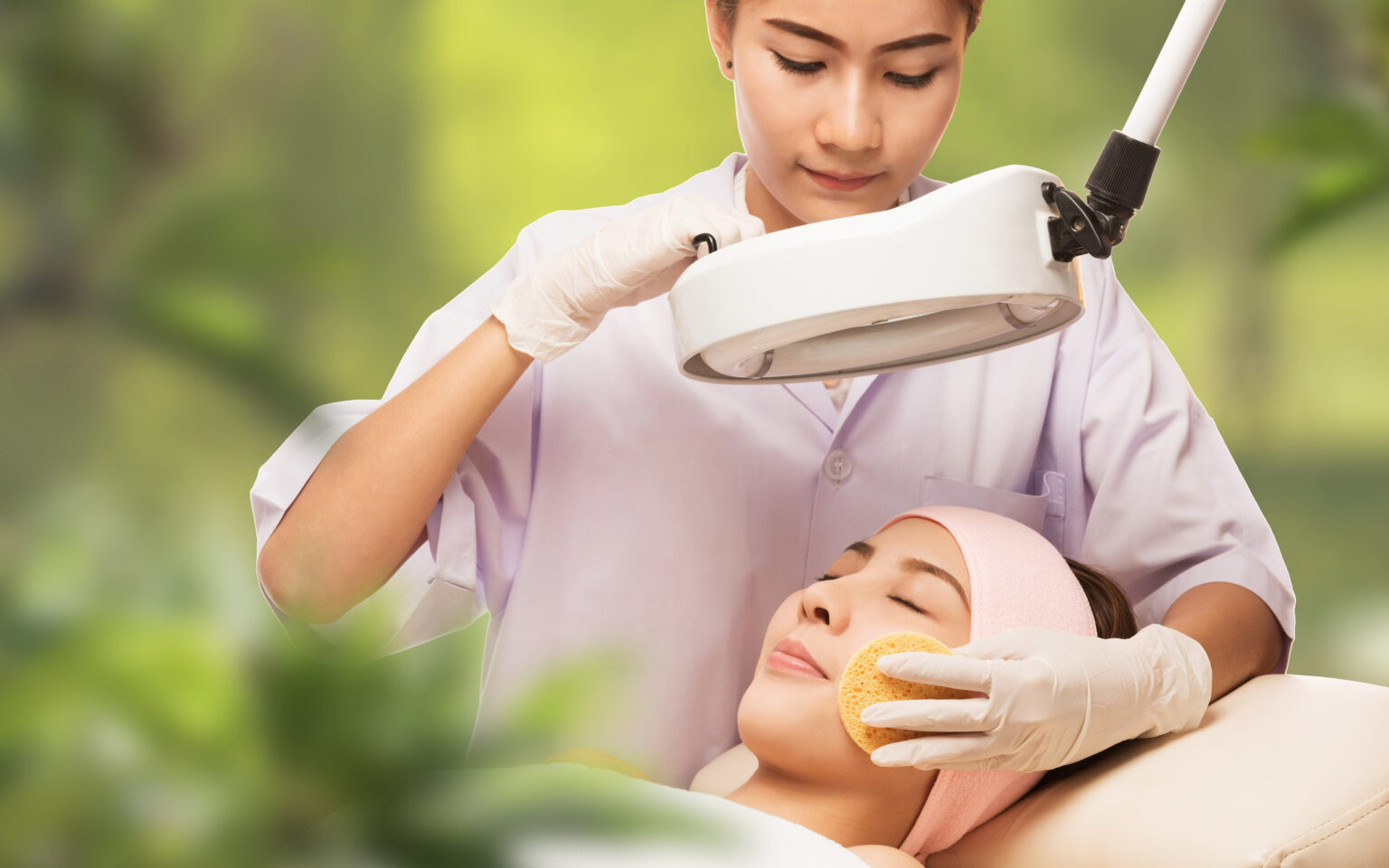
Thailand has become one of the leading destinations for non-surgical aesthetic treatments, attracting thousands of international patients each year. From Botox and dermal fillers to laser treatments and skin rejuvenation, the country offers a wide range of options at competitive prices.
But here’s the reality most people overlook. Not all aesthetic clinics in Thailand operate at the same standard. The difference between a safe, professional clinic and a risky one often comes down to the practitioner, product quality, and medical protocols behind the treatment.
This guide breaks everything down in a clear and practical way. You’ll learn how to choose the right clinic, what to ask before booking, and how to avoid common mistakes.
The 60-Second Safety Checklist
If you only do one thing before choosing aesthetic clinics in Thailand, do this. Confirm it is a licensed medical facility. It should not be a beauty salon or spa offering injections. Confirm a licensed physician will perform injectables like Botox, fillers, or skin boosters. There are no exceptions to this rule.
Ask to see unopened product packaging with the lot number and expiry date before any injection. For dermal fillers, confirm the clinic stocks hyaluronidase and has an urgent complication protocol. For lasers, confirm the exact device model and ask about test spots. You should also get aftercare instructions in writing, plus a clear follow-up pathway.
If pricing is implausibly cheap, you should assume higher odds of grey-market or counterfeit products. To shortlist locations that prioritize safety and transparency, start with the Doodeena directory at doodeena.com.
Why Thailand Remains a Top Global Destination
Thailand has a reputation for strong private healthcare, hospitality, and competitive pricing. This helped it become a major elective-care hub. It started as a destination for cosmetic surgery and is now increasingly popular for injectables and device-based treatments. The global shift toward minimal downtime procedures created dense clinic ecosystems in Bangkok, Phuket, and Chiang Mai.
In 2026, the upside is obvious. Patients have more choices, access to more devices, and greater appointment availability. However, the downside is more variance in quality.
Two providers can offer the same treatment name with totally different safety standards. The authenticity of the product and the skill of the practitioner can vary widely. Your outcome depends less on the menu and more on the medical governance behind it.
4 Types of Clinics You Will Encounter
Use this as a practical decision tool when comparing aesthetic clinics in Thailand. Knowing the different types of facilities will help you understand their pros, cons, and risk levels.
1. Chain Aesthetic Clinics
These are multi-branch businesses with standardized menus, heavy promotions, and packages. They offer easy booking and many locations. You can often find competitive promotions at these branches.
The quality can vary by branch and by the specific injector. You may not know who will treat you until you arrive. The risk profile is medium. They are safe if doctor-led and well-managed, but risky if staffing is unclear. They are best for straightforward, low-complexity treatments when you can confirm the injector.
Always ask for the full name and medical license of the person treating you. Do not accept “our team” as an answer.
2. Doctor-Led Boutique Clinics
These locations are built around a lead physician’s reputation and specific aesthetic style. They often provide stronger consultations and conservative planning. A “natural result” philosophy is common here.
Premium pricing is common at these boutiques. The lead doctor may be fully booked, which means delegation happens. The risk profile is often lower if the named physician performs the procedure. They are best for facial balancing, first-time filler patients, and conservative planning.
Always ask if the lead doctor will personally inject you or if someone else will handle the treatment.
3. Hospital-Based Aesthetic Centers
These are aesthetic services located inside hospitals or hospital networks. They have stronger emergency readiness and referral pathways. This is especially helpful for higher-risk patients or complex combination plans.
They often have higher costs. The appointment flow can feel less boutique and more clinical. The risk profile is lower due to excellent complication response readiness. They are best for patients with complex medical histories, combination treatments, and higher-stakes procedures.
4. Medical Spas and Beauty Salons
These are spas or salons offering facials and basic devices. Some illegally offer injections. They provide a relaxing environment and basic skincare treatments.
Injectables may be offered outside standard medical regulations. The risk profile is very high if injections are involved. They are best for non-medical skincare only.
Injectables must always be performed by a licensed physician in a licensed medical facility.
Popular Treatments and What to Know Before You Book
Treatments are not equal in risk. Injectables and energy-based devices are the main categories where safety, authenticity, and operator skill matter most.
1. Injectables
Injectables have high demand and high safety stakes. Botulinum toxin (Botox) is used for forehead lines, glabella, and crow’s feet. Trending areas include masseter reduction and trapezius slimming. The typical duration is three to six months. You should ask what brand is being used, what the dilution standard is, and what the touch-up policy entails.
Hyaluronic acid (HA) dermal fillers are used for lips, cheeks, chin, jawline, and tear troughs. Results last six to 18 months depending on the product. The key risk is vascular occlusion, which is a medical emergency. Ask if they stock hyaluronidase on-site and what their urgent protocol involves.
Biostimulators and skin boosters focus on hydration, texture, and collagen stimulation. Results are gradual and often require multiple sessions. Ask how many sessions are typical and what the realistic endpoints are.
2. Lasers and Energy-Based Devices
Operator skill and skin type matter greatly for lasers. Pigmentation and melasma treatments require care. Fitzpatrick skin types III to V are common in Thailand. Aggressive laser protocols can trigger post-inflammatory hyperpigmentation. Ask what device model will be used and if they perform test spots.
Acne scar treatments combine fractional laser or radiofrequency microneedling with subcision. Multi-session treatment is normal. Hair removal device choice should match your skin type, whether it is diode, alexandrite, or Nd:YAG lasers (neodymium-doped yttrium aluminium garnet).
Tightening and lifting treatments like HIFU and RF offer modest results. They are highly technique-dependent. It is best to view these as a long-term plan rather than a miracle session.
3. Body Contouring and Combo Therapy
Clinics often bundle treatments with aftercare packages. Look for standardized before and after photos to tell synergy from an upsell. Good providers use objective tracking with consistent lighting and timelines. They will also provide clear endpoints and reassess your progress between sessions.

Regulation and What “Thai FDA-Approved” Really Means
Thailand’s healthcare ecosystem includes oversight by the Ministry of Public Health. Professional councils regulate facilities and practitioners. Products like medicines and devices fall under the Thai FDA framework.
You should verify a few things before booking. Ensure the location is a licensed medical facility and not just a salon. Confirm your procedure will be done by a licensed physician. Make sure all products and devices are appropriately approved and registered.
You can check resources like the Ministry of Public Health website. For hospital settings, look for international accreditations like JCI.
Understanding the Real Risks and How to Reduce Them
Counterfeit or grey-market injectables happen due to high demand and price competition. Good clinics open packaging in front of you, show the lot number, and disclose the brand. You must refuse injections if the packaging is hidden.
Unqualified injectors operate to cut costs. Good clinics offer a physician-led consultation, display credentials, and have clear consent forms. You must ask directly if they are a licensed physician.
Over-dilution happens due to high patient volume. Good clinics document dosing plans and provide follow-up standards. Poor complication management occurs when venues lack supplies. Good clinics stock hyaluronidase and have urgent referral pathways.
Misleading regenerative claims happen due to trend-driven marketing. Good clinics offer evidence-based counseling and realistic timelines. You must be skeptical of guaranteed or miracle promises.
A Step-by-Step Selection Framework
Follow this process to shortlist and book safely.
Step 1: Pre-Screen Online
Verify the physical address and full provider names. Look for consistent outcomes rather than just influencer posts. Use trusted directories like Doodeena to shortlist verified options. This step should only take about ten minutes.
Step 2: Verify Credentials
Message the clinic before you pay. Ask who will perform your procedure and if they are a licensed physician. Ask which product brand or device model will be used. If they will not answer clearly, do not proceed.
Step 3: Score the Consultation
A quality consultation should include a full medical history review. This covers pregnancy, bleeding risks, and prior filler history. They should provide informed consent covering risks, downtime, and complication responses. They should also offer conservative planning for first-time patients.
Step 4: Check Product Authenticity
On the day of the treatment, request to see the unopened box, vial, or syringe. Confirm the lot number and expiry date match. Avoid any provider making “same as Brand X” claims.
Step 5: Confirm Aftercare and Follow-Up
Ensure you get written aftercare instructions in English if needed. Confirm the follow-up schedule and secure a reachable contact channel. You should also get a written touch-up and complication policy.
Pricing Factors and Spotting “Too Cheap” Offers
Exact prices move with promotions and exchange rates. You should value-check the structure instead. Key price drivers include the product brand, injector seniority, and device model generation. The facility type and location also impact the total cost.
Here is an indicative pricing format you will see.
|
Treatment Category |
Common Pricing Unit |
What to Clarify Before Paying |
|---|---|---|
|
Botulinum toxin |
Per unit or per area |
Brand, dilution standard, touch-up window |
|
HA fillers |
Per syringe |
Brand, volume per syringe, emergency readiness |
|
Lasers |
Per session or package |
Device model, settings approach, post-care plan |
The red-flag rule is simple. Ultra-low prices often correlate with grey-market products or under-qualified injectors. In aesthetic medicine, cheap can become expensive very fast.
Travel Planning for Medical Tourists
Thailand’s sun and humidity make post-procedure planning very important. Avoid aggressive lasers right before visiting islands, swimming in pools, or enduring long sun exposure.
Plan buffer time before flying. Bruising and swelling from injectables can last three to seven days. Some laser treatments cause redness that lasts for days or weeks. Ask for written consent and aftercare in a language you understand. Ask the clinic what happens if complications occur after you fly home.
City Notes for Expats
Bangkok has the biggest choice and deepest bench of injectors and devices. Phuket offers premium options due to high tourist volume, but you still need to vet carefully. Chiang Mai has a quieter market with lower costs, but fewer ultra-high-end devices. Pattaya and Chon Buri have a wide quality spread, so extra screening is highly recommended.
Emerging Trends to Watch in 2026
Preventive and natural aesthetics are growing. Micro-dosing toxins, subtle fillers, and skin quality programs are very popular. Korean beauty influence is also strong, bringing a focus on glass skin and V-line shaping. The best providers will tailor these trends to your specific anatomy.
Combination therapy is growing rapidly. This can be clinically sensible, but it is also used for upselling. Demand objective tracking to ensure it is necessary. Men’s aesthetics are also growing, with a focus on masseter reduction, jawlines, and acne scars.
Evidence-aware patients are becoming the norm. More people ask about brands, dilution, and device models. This is a very good sign for the industry.

Your 2026 Checklist Before Booking
Before you finalize your appointment, review this checklist. Ensure the facility is licensed, has a clear address, and operates transparently. Confirm that all injections will be done by a licensed physician and get their name. Check that the unopened packaging will be shown with the lot number and expiry visible.
Verify their complication readiness. They must have hyaluronidase for HA fillers and an urgent protocol in place. Your consultation should include a full medical history and informed consent. Ensure you receive written aftercare instructions and a reachable contact channel. Finally, make sure the pricing makes sense and avoid deals that seem too cheap.
When you are ready to shortlist options, start with Doodeena’s verified listings. You can easily filter for location and services at doodeena.com.
Frequently Asked Questions
How can I verify authentic toxin or filler at aesthetic clinics in Thailand?
Ask to see the unopened packaging and syringe before the procedure starts. Check the lot number and expiry date. If the clinic refuses to show you, walk away immediately.
What are the biggest red flags that a clinic isn’t legitimate?
Refusing to disclose practitioner credentials is a major warning sign. Other red flags include no medical license displayed, vague product answers, a lack of a consent process, and prices that seem unrealistically low.
What should I do if I suspect a filler complication?
Urgent signs include blanching, severe pain, or any visual symptoms. Contact your doctor immediately. Seek emergency hospital care if you cannot reach them, as time is critical.
Are hospital-based centers safer for fillers and lasers?
They are often much safer, especially for complication readiness and referral pathways. This makes them highly useful for higher-risk patients or those wanting peace of mind.
Can I do treatments right before flying?
You should plan a buffer. Bruising and swelling from injectables can last up to a week. Some lasers require strict sun avoidance and specialized aftercare that makes travel uncomfortable.