


Step into most Bangkok spas and you will find a thai body scrub on the menu, often sitting quietly between the oil massage and the herbal compress. It deserves more than a quick glance. A genuine Thai herbal body scrub is one of the most sensory treatments on offer in the city: a warming botanical paste applied with slow, circular massage strokes across the entire body, combining physical exfoliation from jasmine rice and coconut shell with the chemical brightening action of tamarind’s natural fruit acids. The result is skin that feels immediately different, smoother, softer, and noticeably more luminous. This guide explains what a Thai body scrub actually is, what makes it distinct from its Korean and generic spa counterparts, what to expect from a session, and the best Bangkok spas to book one at.
Quick Summary
- A Thai herbal body scrub is a full-body exfoliation treatment using a botanical paste of ingredients such as tamarind, jasmine rice, coconut, turmeric, and lemongrass, applied with massage strokes to exfoliate, brighten, and nourish the skin simultaneously.
- It differs from a Korean body scrub, which uses a rough viscose mitt (Italy towel) with vigorous friction-based stripping, and from generic spa scrubs, which prioritise fragrance over active botanical ingredients.
- The dual-action of physical exfoliation plus the AHAs in tamarind makes a Thai scrub more brightening than a standard sugar or salt body scrub.
- Sessions typically run 45 to 60 minutes as a standalone treatment, or pair with a Thai herbal compress for a 90 to 120-minute spa experience.
- Bangkok has options across every price point, from neighbourhood spa chains under 600 THB to five-star hotel scrub rituals at 3,000 THB and above.
What Is a Thai Body Scrub?
A Thai body scrub is a full-body exfoliation ritual rooted in Thailand’s herbal wellness tradition. Unlike a bar of exfoliating soap or a loofah in the shower, a professional Thai scrub involves a freshly prepared or spa-formulated botanical paste applied across the entire body surface by a trained therapist, left to work for several minutes, then massaged off with warm water and a moisturising oil. It is as much a treatment as it is a ritual. The practice draws from the same ingredient knowledge that underpins all T-Beauty wellness traditions: use what the land provides, combine actives with intention, and let the ingredients do the work.
Traditional Thai body scrub preparations appear in documented Thai wellness texts as far back as the Ayutthaya period (1350 to 1767), where tamarind water baths and herbal paste scrubs were used to prepare the body before ceremony and in postpartum recovery. The Thai Embassy’s traditional beauty documentation records tamarind, turmeric, and coconut as core ingredients in traditional Thai body care across both royal and rural household contexts. The modern spa version stays true to those botanical foundations while delivering a more structured treatment format.
What Is in a Thai Herbal Body Scrub?
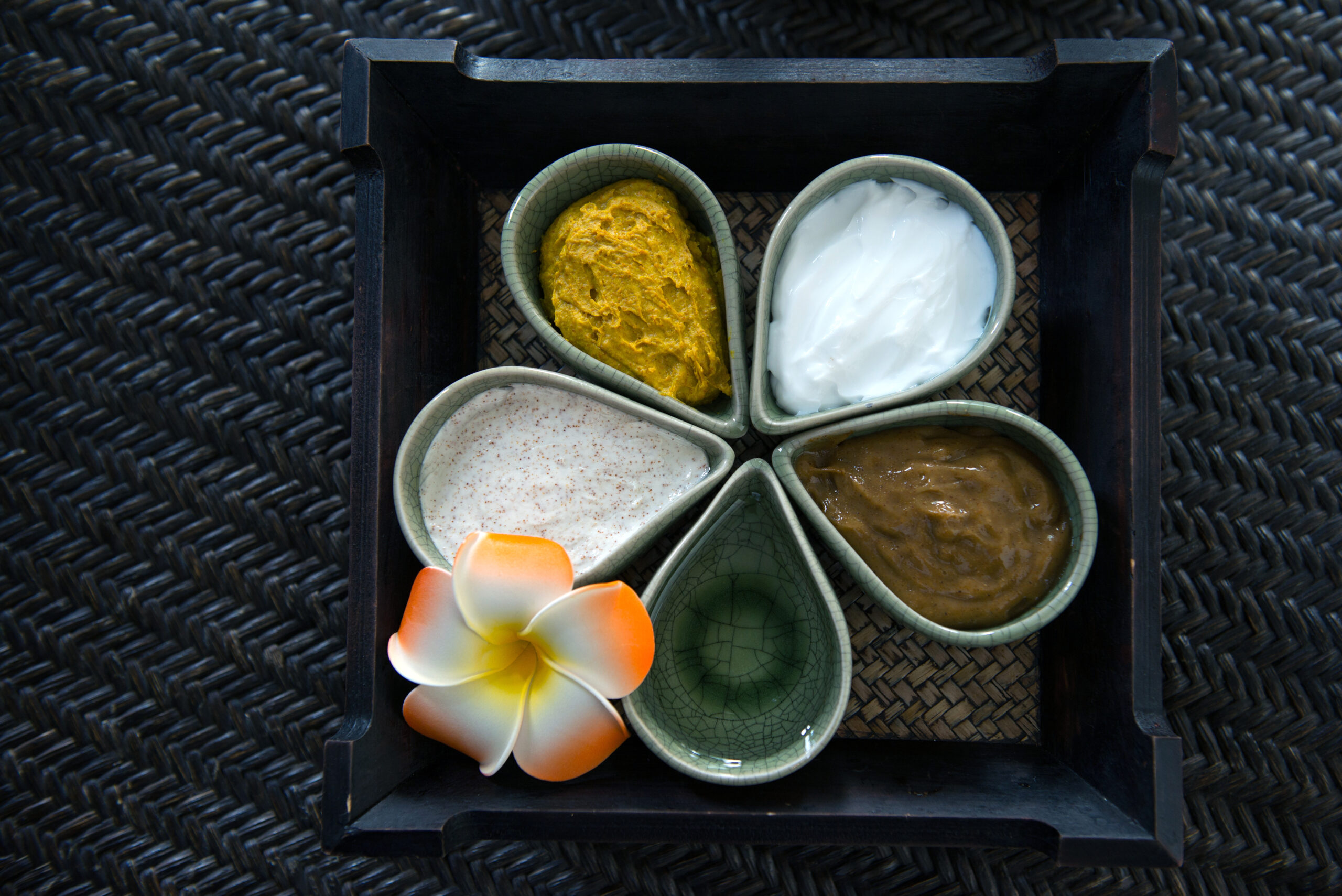
Every Thai spa uses a slightly different blend, but most authentic formulations build from the same group of ingredients. Here is what you are most likely to encounter and what each ingredient contributes.
| Ingredient | Thai name | What it does in a scrub |
|---|---|---|
| Jasmine rice / rice powder | Khao hom mali | The primary physical exfoliant. Finely milled rice has rounded edges that lift dead cells without micro-tears. Rich in vitamins B and E for skin hydration. |
| Tamarind pulp | Makham | Provides tartaric acid (AHA) for chemical brightening alongside the physical exfoliation. Loosens dead cell bonds and fades dark spots and sun-induced pigmentation. |
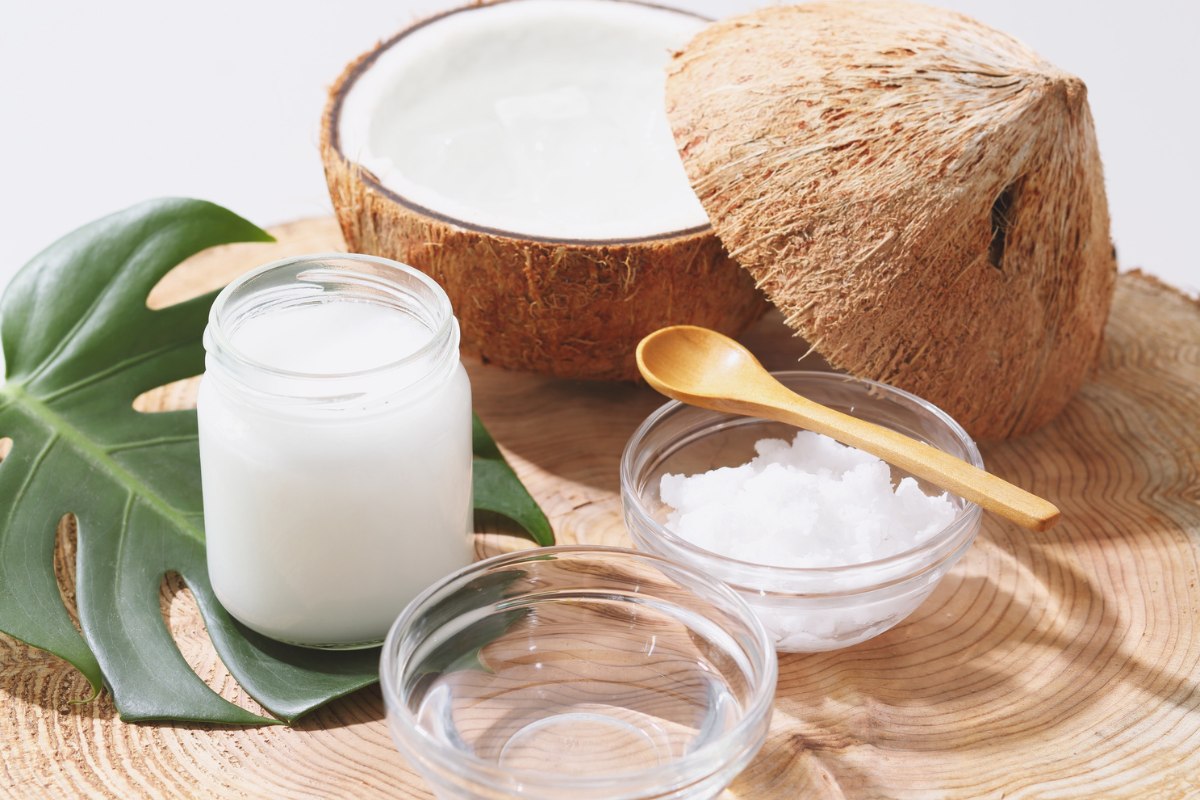
| Coconut oil | Nam man maphrao | Acts as the carrier oil that binds the paste and hydrates the skin during application. Leaves a protective lipid layer that seals in moisture post-rinse. |
| Turmeric | Khamin | Anti-inflammatory curcumin calms any irritation from the exfoliation. Adds brightening effect and the characteristic golden tint to the paste. |
| Lemongrass | Ta-krai | Antiseptic, pore-clarifying, and deodorising. Its volatile oils provide the fresh, energising scent distinctive of Thai spa scrubs. |
| Rice bran oil | Nam man rao | A lighter alternative carrier oil packed with gamma-oryzanol antioxidant. Absorbs quickly and supports evening of skin tone over time. |
| Kaffir lime peel | Peel of ma-krut | Antibacterial and astringent. Refreshes the skin surface and contributes the sharp citrus note to the herbal aroma. |
| Honey | Nam phueng | Natural humectant that retains moisture during and after exfoliation. Balances the acidity of tamarind to prevent over-sensitising the skin. |
Two of these ingredients are covered in dedicated guides if you want to go deeper: our tamarind for skin brightening article covers the AHA science in full, and our turmeric for skin guide explains the anti-inflammatory and brightening role of curcumin.
Thai Body Scrub vs Korean Body Scrub vs Generic Spa Scrub
The three most common body exfoliation experiences in Bangkok spas are Thai herbal scrubs, Korean seshin exfoliation (using Italy towels), and generic sugar or salt scrubs. They differ significantly in approach, result, and philosophy.
| Feature | Thai Herbal Body Scrub | Korean Body Scrub (Seshin) | Generic Spa Scrub |
|---|---|---|---|
| Primary method | Botanical paste: physical + chemical AHA dual action | Viscose Italy towel: vigorous mechanical friction only | Salt or sugar granules in a scented cream or oil |
| Key ingredients | Tamarind, jasmine rice, turmeric, coconut, lemongrass | Italy towel cloth; optional black sugar or grain scrub | Sea salt, sugar, fragrance oil, sometimes shea butter |
| Application style | Circular massage strokes; paste left on 5 to 10 min | Long firm strokes; vigorous and often quite intense | Circular buffing; rinsed off immediately |
| Exfoliation type | Dual: physical granules plus tartaric AHA from tamarind | Pure mechanical; rolls off dead skin visibly | Physical only; no chemical brightening |
| Brightening effect | Strong: AHAs fade dark spots alongside exfoliation | Moderate: removes dead cells but no melanin-targeting acids | Mild: surface smoothing only |
| Aromatherapy | High: lemongrass, kaffir lime, turmeric scent is therapeutic | Minimal: clinical, no herbal aroma | Variable: mostly synthetic fragrance |
| Post-treatment feel | Soft, nourished, slightly glowing; oil finish | Dramatically smooth; some tightness without moisturiser | Smooth; depends on oil content of product used |
| Best suited to | Brightening, relaxation, natural beauty rituals | Maximum dead skin removal; body acne; texture correction | Quick refresh; mild exfoliation between dedicated sessions |
The key distinction is the dual-action nature of the Thai version. Most body scrubs provide physical exfoliation only: they buff away the top layer of dead cells through friction. A Thai herbal scrub adds a chemical brightening layer via tamarind’s AHAs, which work on melanin production and dark spots simultaneously. If brightening is your goal alongside exfoliation, a Thai herbal scrub is more effective than any generic salt or sugar product.
What to Expect: A Thai Body Scrub Session Step by Step
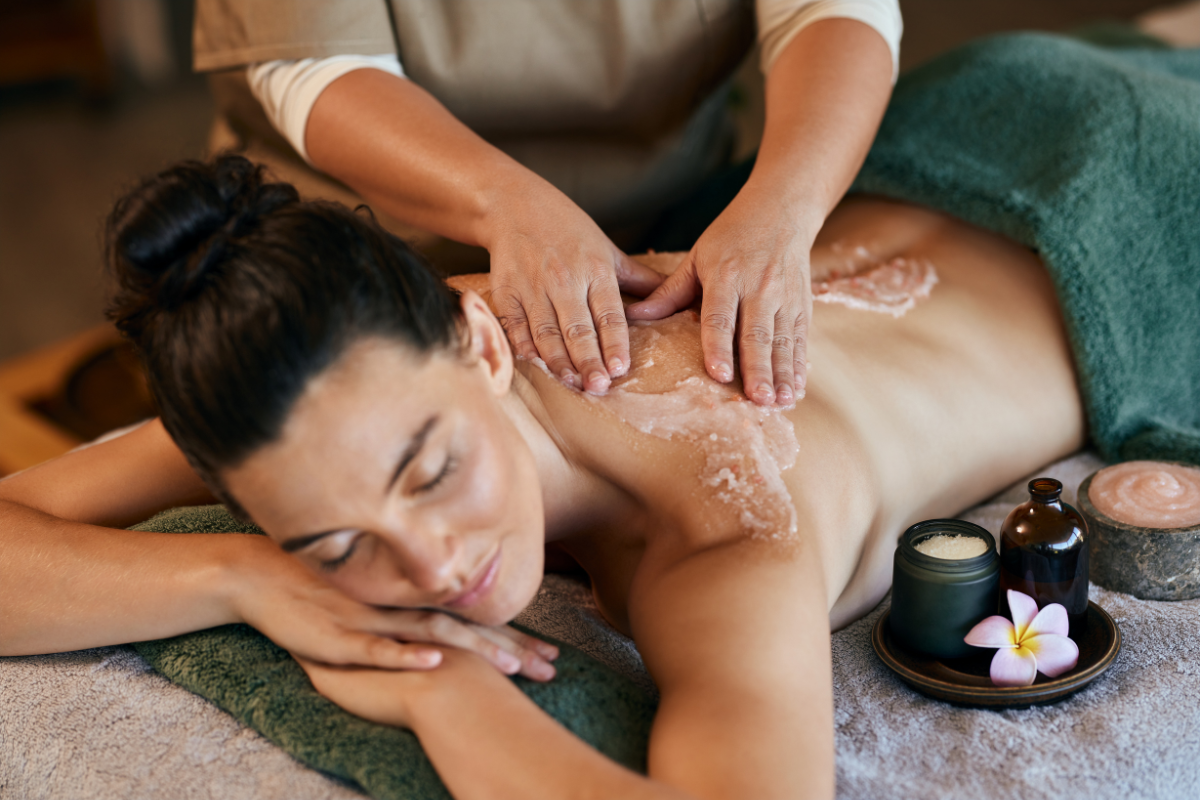
For first-time visitors, knowing what happens removes the hesitation. Sessions vary slightly by spa but broadly follow this structure.
- Consultation and changing: You will fill out a brief health form and change into disposable or spa-provided underwear. Most Bangkok spas provide a robe and slippers.
- Warm shower: A short warm shower opens the pores and softens the skin surface, making exfoliation more effective and more comfortable.
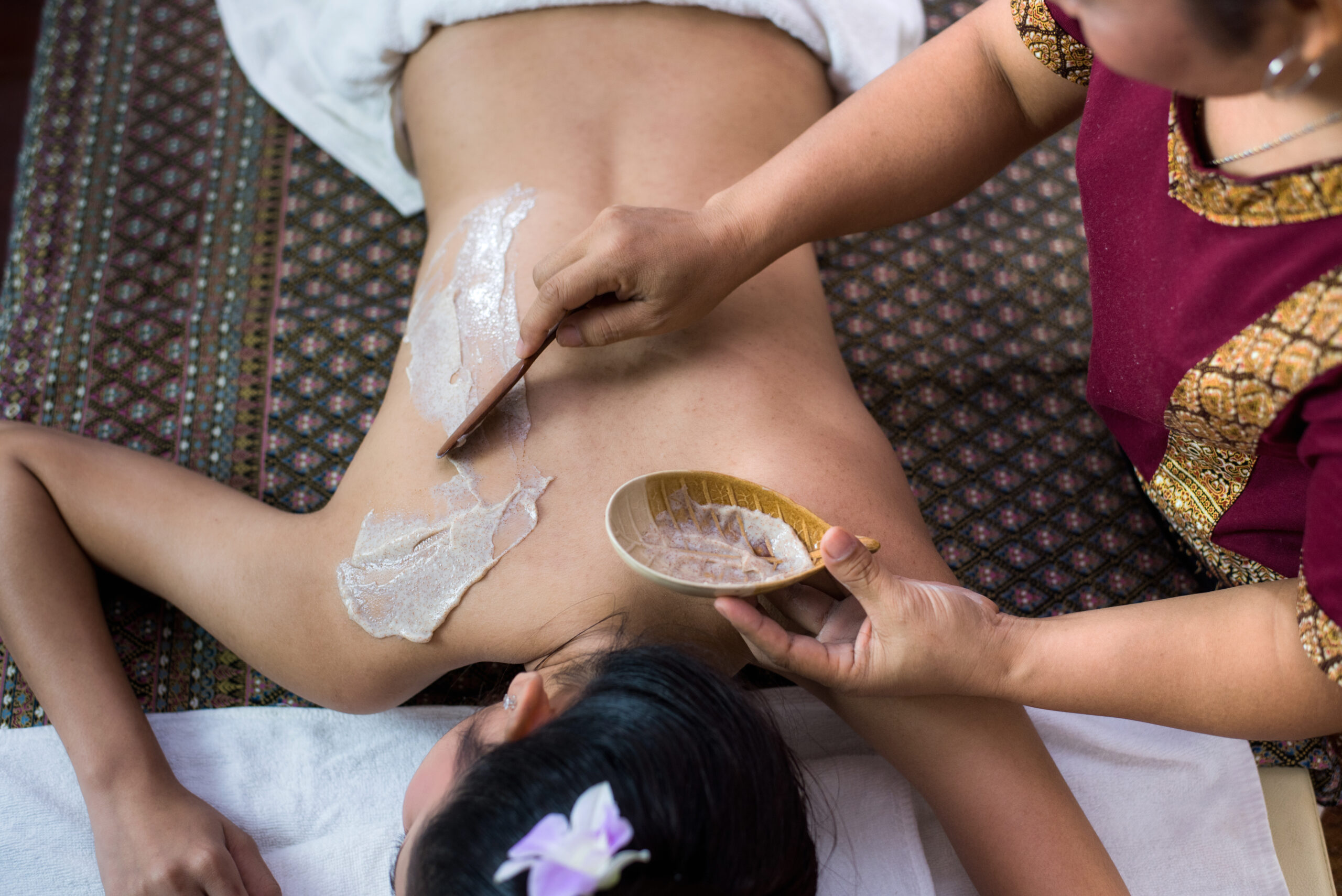
- Paste application: The therapist applies the warm herbal paste to your body section by section using long, sweeping and circular massage strokes. The technique is firmer than a facial but gentler than deep tissue massage. The room fills with the herbal scent of lemongrass and turmeric.
- Resting period: The paste is left on the skin for around five to ten minutes. During this time the AHAs from tamarind begin breaking down dead cell bonds while the heat of your skin activates the botanical oils.
- Rinse: The therapist rinses off the paste with warm water, using either a shower or warm towels depending on the facility. Dead skin may shed visibly during rinsing.
- Oil or lotion finish: A post-scrub nourishing oil or body lotion is applied to seal in moisture. This step is where the skin is most receptive to hydration, so most spas use a quality botanical oil.
- Rest: Most Bangkok spas offer a short rest period with herbal tea and fruit. Your skin will feel noticeably different immediately: softer, lighter, and more even to the touch.
A standalone Thai body scrub session runs 45 to 60 minutes. The treatment is suitable for most body areas but should avoid the face, genitals, and any areas of broken skin, rash, or recent hair removal.
Skin Benefits of a Thai Body Scrub
According to dermatological guidance on exfoliation, consistent body exfoliation improves skin texture, unclogs pores, enhances the absorption of moisturisers, and reduces the appearance of ingrown hairs and rough patches. A Thai herbal scrub delivers all of these through physical exfoliation, and then adds several layers of benefit that a standard scrub product cannot match.
- Brightening: tamarind’s AHAs accelerate cell turnover and target melanin overproduction, fading sun-induced dark patches on the back, shoulders, arms, elbows, and knees.
- Deep nourishment: coconut oil and rice bran oil penetrate the freshly exfoliated skin surface while the barrier is temporarily more permeable, providing lasting softness that persists for days.
- Circulation boost: the massage strokes used to apply the paste stimulate blood flow, supporting tissue regeneration and giving the skin a flushed, healthy glow that lasts beyond the treatment.
- Aromatherapy and stress relief: lemongrass and kaffir lime vapours during application have a measurable calming effect on the nervous system, making the scrub as much a mental reset as a skin treatment.
- Preparation for further treatments: freshly exfoliated skin absorbs the botanical compounds from a Thai herbal compress massage significantly more effectively than skin with a layer of dead cells. Booking the scrub first and the compress second is one of the most effective two-treatment combinations available at Bangkok spas.
The Perfect Pairing: Thai Body Scrub and Herbal Compress Together
If you are allocating time for one dedicated spa experience in Bangkok, the scrub-and-compress combination is the recommendation most traditional Thai wellness practitioners would make. The logic is simple: exfoliation removes the dead cell layer that sits between the skin surface and anything you apply to it. Once that barrier is cleared, the medicinal herbs in a luk pra kob herbal compress absorb more deeply and work more effectively. The heat of the compress then seals in the brightening and nourishing benefits of the scrub ingredients still remaining in the skin.
Many Bangkok spas offer this as a packaged ritual at a combined price, usually 90 to 120 minutes total. If you are booking separately, ask for the scrub first and the compress second. The order matters: never do a compress before a scrub, as the heat without prior exfoliation limits the herbs’ ability to penetrate.
Best Bangkok Spas for an Authentic Thai Body Scrub
Bangkok has options at every price point. These venues are consistently recommended for authentic herbal scrub experiences, credible therapist training, and products that use real Thai botanical ingredients rather than synthetic fragrance-based substitutes.
| Spa | Location / Area | Price range (scrub) | Why it stands out |
|---|---|---|---|
| Harnn Heritage Spa | CentralWorld, Ratchadamri | 2,000 to 3,500 THB | Uses the brand’s own Thai botanical product line; known for tamarind and rice bran scrub rituals with quality oils |
| Loft Thai Spa | Sukhumvit (BTS-accessible) | 1,400 to 2,200 THB | Top 50 Asia spa; herbal body scrubs use traditional Thai recipes; also offers scrub-and-compress packages |
| Pañpuri Organic Spa | Park Hyatt, Lumphini | 3,000 to 4,500 THB | Certified organic ingredients; multi-hour packages include body scrub, wrap, and hot compress ritual |
| Divana Virtue Spa | Thong Lo, Sukhumvit 25 | 1,500 to 2,500 THB | Garden setting; botanical scrubs and traditional Thai formulations; known for personalised treatment approach |
| Health Land | Multiple Bangkok locations | 500 to 900 THB | Affordable, reliable, and widely accessible; herbal scrub quality is strong for the price point |
| Piman Eleven Spa | Langsuan, Lumphini | 1,200 to 2,000 THB | Traditional Thai wellness focus; body scrub includes tamarind and jasmine rice paste applications |
For more than just these six options, Doodeena’s spa and wellness directory lets you filter Bangkok’s spa listings by treatment type, neighbourhood, and price range. If you are already planning to visit a skin clinic for a brightening treatment, combining it with a spa body scrub beforehand gives the clinical treatment a better surface to work on. Our guide to the best skin clinics in Bangkok covers the aesthetic clinic side of the brightening equation.
Ready to Book? Find Thai Body Scrub Spas on Doodeena
A Thai body scrub is one of the most accessible and genuinely transformative treatments in Bangkok. It does not require a luxury budget, but it does require choosing a venue that uses real botanical ingredients rather than artificial fragrance, and a therapist trained to apply the paste with the technique that leaves skin visibly different for days.
Doodeena’s spa and wellness directory helps you find that experience quickly, with listings across Bangkok filtered by treatment type, price range, and area of the city. Whether you are looking for a standalone scrub session, a scrub-and-compress pairing, or a full herbal body ritual before a clinical skin brightening appointment, our platform makes the research part effortless. Browse Bangkok’s spa and wellness listings on Doodeena and book the treatment your skin has been waiting for.
Frequently Asked Questions About Thai Body Scrub
How long does a Thai body scrub session take?
Most standalone Thai body scrub sessions run 45 to 60 minutes. If combined with a Thai herbal compress massage, the total package is usually 90 to 120 minutes. Some luxury spas offer extended body ritual packages of up to 180 minutes that include scrub, wrap, compress, and a foot treatment.
How often should I get a Thai body scrub?
Once a week is ideal if you are visiting Bangkok for an extended stay. If you are on a shorter trip, a single session is enough to see and feel a clear difference in skin texture and brightness. At home, using a Thai-style herbal body scrub two to three times per week maintains the brightening results achieved in a professional session.
What should I wear or bring to a Thai body scrub appointment?
You do not need to bring anything specific. The spa provides disposable or reusable spa underwear, a robe, slippers, and all products. Wear loose, comfortable clothing to your appointment and do the same when leaving, since your skin will be slightly sensitised and you will not want tight waistbands or rough fabric immediately afterward. Avoid scheduling the scrub within 48 hours of waxing or shaving.
Is a Thai body scrub suitable for sensitive skin?
Generally yes, because Thai herbal scrubs use rounded rice particles rather than jagged salt crystals or crushed shells, which carry a much lower risk of micro-tears. The tamarind AHAs are also milder than the glycolic or lactic acid concentrations used in clinical exfoliants. That said, if you have active rosacea, eczema, psoriasis, or significant skin sensitivity, tell your therapist before the session so they can adjust the paste or pressure accordingly.
Can I try a Thai body scrub at home?
Yes. The simplest home version is tamarind paste mixed with jasmine rice powder and a little coconut oil, applied in circular motions and rinsed after ten minutes. Several Thai brands including Scentio Very Thai, Harnn, and Sabai Arom also sell spa-quality herbal scrub products you can bring home from Bangkok. Our Thai beauty guide covers where to shop for these products in the city.