


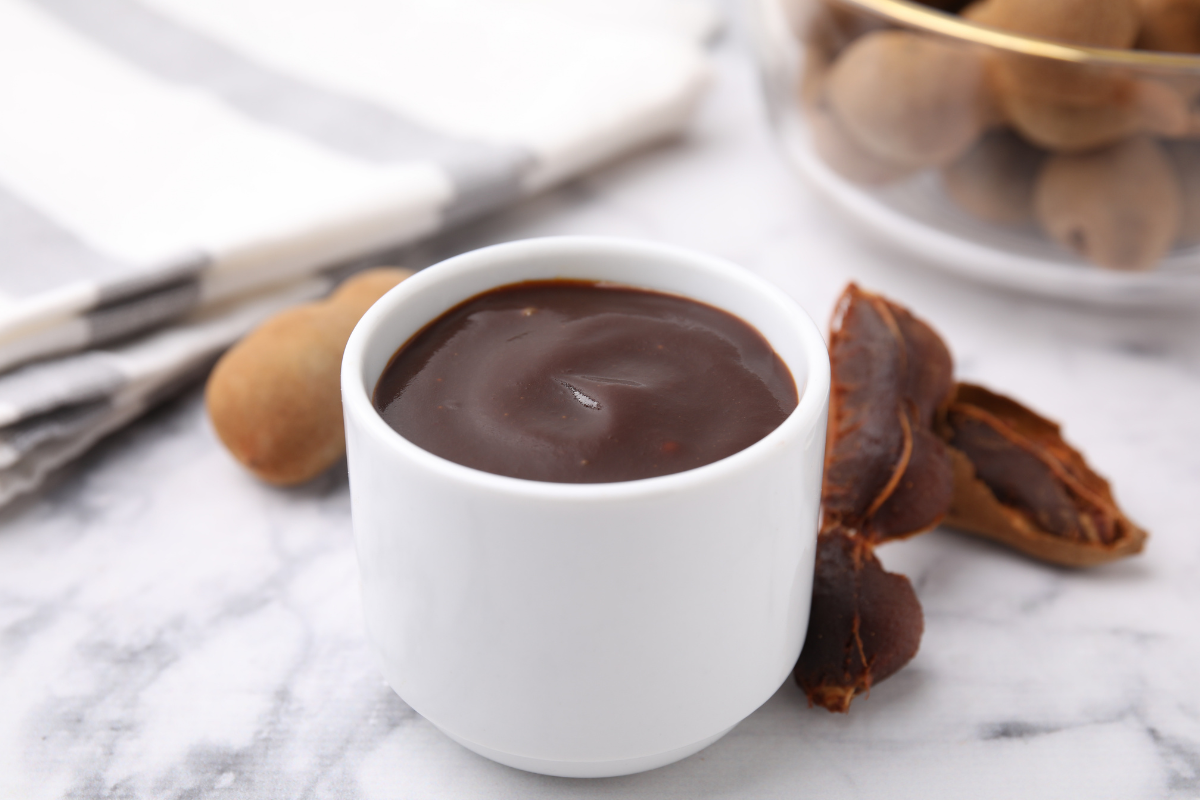
Brightening is one of the most consistent goals in Thai beauty. Whether it is a rice water toner, a turmeric scrub, or a professional clinic treatment, the pursuit of luminous, even-toned skin runs through every layer of Thai skincare culture. At the centre of many of those traditions is an ingredient most people associate with cooking: tamarind. Known as makham in Thai, and used in everything from pad thai to royal bath rituals, tamarind for skin is one of the most effective natural brightening tools in Southeast Asian beauty. This guide explains the science, the tradition, how to use it at home, and when a professional treatment gets you further than any fruit ever could.
Quick Summary
- Tamarind contains tartaric acid, a natural alpha hydroxy acid (AHA), which exfoliates dead skin cells and accelerates cell turnover for a brighter, more even complexion.
- It also provides vitamin C for melanin regulation and polyphenol antioxidants for protection against UV-related darkening.
- In Thailand, tamarind has been used as a brightening treatment for centuries in nam makham (tamarind water) baths, facial scrubs, and body paste rituals.
- Home use works best for surface glow and gradual dark spot fading. Most visible brightening takes three to six weeks of consistent use.
- For deeper pigmentation or stubborn dark spots, professional clinic treatments in Bangkok combine tamarind-based exfoliation with clinical-grade brightening technology.
Why Tamarind Brightens Skin: The AHA Science
Tamarind’s brightening power comes from its biochemical makeup. Alpha hydroxy acids (AHAs) are a family of organic acids that gently dissolve the bonds between dead skin cells, allowing them to shed and revealing the fresher, lighter skin beneath. Tamarind’s primary AHA is tartaric acid, which is relatively rare in skincare ingredients and gives tamarind a gentler pH than the glycolic acid found in most commercial AHA products.
Tamarind brightens through three simultaneous mechanisms. First, its AHAs speed up cell turnover, moving dull, pigmented surface cells off the skin faster than the natural 28-day cycle. Second, its vitamin C content inhibits tyrosinase, the enzyme that converts amino acids into melanin. Less active tyrosinase means less new pigment is laid down in the skin. Third, its polyphenol antioxidants neutralise the oxidative stress from sun exposure and pollution that triggers post-inflammatory hyperpigmentation in the first place.
What makes tamarind unusual among natural brighteners is that these three mechanisms work at different depths. The AHAs act on the surface. The melanin inhibition happens inside the skin cells. The antioxidant layer works as a preventive shield against future darkening. Most single-ingredient brighteners address only one of these. Tamarind addresses all three simultaneously, which is why it has remained in use across Thai beauty traditions long after more exotic ingredients came and went.
As noted in a detailed formulation review by Clinikally, tamarind extract contains both AHAs and vitamins C and E, positioning it as a multi-mechanism brightening ingredient rather than a single-action exfoliant. That combination of exfoliation plus melanin inhibition plus antioxidant protection is what makes it a genuine brightening agent rather than just a scrub with a pleasant scent.
Tamarind vs Other Popular Brightening Ingredients
Tamarind is not the fastest brightener available, but it occupies a unique position in the brightening ingredient landscape: it is one of the few natural options that addresses all three brightening mechanisms simultaneously and gently enough for regular home use.
| Ingredient | How it brightens | Speed | Gentleness | Best use case |
|---|---|---|---|---|
| Tamarind | AHA exfoliation + melanin inhibition + antioxidant | Gradual (3 to 6 weeks) | Mild; suitable for most skin types | Consistent home brightening, body scrubs, traditional rituals |
| Vitamin C | Tyrosinase inhibition; antioxidant | Moderate (4 to 8 weeks) | Moderate; can sting at higher strengths | Serums for dark spots and sun damage |
| Niacinamide | Blocks melanin transfer from cell to cell | Moderate (4 to 8 weeks) | Very gentle; suits sensitive skin | Daily brightening in moisturisers |
| Kojic acid | Tyrosinase inhibitor; derived from fungi | Moderate (4 to 6 weeks) | Moderate; some sensitivity possible | Targeted spot treatment for stubborn pigmentation |
| Glycolic acid | Strongest natural AHA; deep exfoliation | Faster (2 to 4 weeks) | Strong; irritates sensitive skin | Clinical peels; not ideal for daily home use |
| Glutathione | Systemic antioxidant; shifts melanin type | Variable (6 to 12 weeks+) | Gentle topically; IV form is clinical | Systemic brightening; clinical IV drip treatments |
Tamarind’s gentleness is its defining advantage for home use. If you are starting from a place of general dullness or sun-induced patchy tone, tamarind is an accessible first step. For deeper pigmentation or faster results, clinical treatments offer more controlled and targeted intervention. We cover that in detail in our guide to skin whitening in Thailand.
Nam Makham: Thailand’s Ancient Brightening Bath
Long before tamarind was extracted into serums, Thai women were soaking in it. Nam makham means tamarind water in Thai, and the practice of dissolving tamarind pods in warm water and using that liquid as a skin rinse or bath soak is documented across centuries of Thai beauty tradition.
The Thai Embassy’s traditional beauty documentation describes tamarind in several classic preparations: dissolved in warm water as a skin-softening bath soak, mixed with turmeric and lime as a full-face brightening paste, and blended with honey and dried herbs as a body scrub. These preparations appear in texts from both the royal court and rural household traditions, suggesting tamarind’s brightening reputation extended across all social contexts.
The logic behind nam makham baths is sound. Soaking skin in mildly acidic tamarind water produces the same effect as an AHA toner: the acid loosens the outermost layer of dead, pigmented cells so they shed more readily. After a soak, the skin feels smoother and, with consistent use, looks gradually more even and luminous.
Thai women also used tamarind in combination with rice water and jasmine for total-body brightening routines, a forerunner of what we now call layered brightening in modern skincare. These multi-ingredient rituals are part of the same philosophy that runs through Thai wellness culture: no single ingredient is expected to do everything. Tamarind exfoliates. Rice water hydrates and tones. Jasmine soothes. Each element reinforces the others, which is why traditional Thai brightening preparations tend to outperform their individual parts.
How to Use Tamarind for Skin Brightening at Home
The brightening recipes below are drawn from both traditional Thai preparations and current formulation guidance. Each has a specific brightening mechanism and is designed for a different part of your routine.
| Recipe | Ingredients | How to use | Best for | Frequency |
|---|---|---|---|---|
| Nam makham face rinse | 1 tbsp tamarind paste dissolved in 1 cup warm water, strained | Apply to face with a cotton pad after cleansing. Leave 3 minutes, rinse | Daily surface glow; dull, congested skin | 3 to 4 times per week |
| Classic brightening mask | 1 tsp tamarind paste + 1 tbsp plain yogurt + 1 tsp honey | Apply to clean face for 15 minutes, rinse with cool water | Uneven skin tone, sun-induced dullness | Once or twice per week |
| Turmeric and tamarind glow mask | 1 tsp tamarind paste + 1/2 tsp turmeric + 1 tsp honey | Mix to a smooth paste. Apply 10 to 12 minutes, rinse (use a dark towel) | Post-acne marks, dark spots, double brightening action | Once per week |
| Body brightening scrub | 2 tbsp tamarind paste + 2 tbsp jasmine rice or fine sugar + 1 tsp coconut oil | Massage onto damp skin in circular motions for 2 minutes, rinse | Elbows, knees, sun-exposed body areas | Twice per week |
| Spot treatment | Diluted tamarind juice (1 part juice to 2 parts water) | Apply directly to individual dark spots with a cotton tip for 5 minutes, rinse | Isolated hyperpigmentation or post-blemish marks | Daily on spots only |
The turmeric and tamarind combination deserves a mention: pairing tamarind’s AHAs with turmeric’s curcumin creates a dual-action brightening mask that addresses both surface exfoliation and deeper melanin production. Our guide to turmeric for skin explains the full science behind that combination. For body treatments, the scrub above pairs well with the broader approach covered in our Thai body scrub guide.
Safety reminder: Tamarind is acidic (pH around 2.5 to 3.5). Always patch test first, dilute preparations for the face, avoid the eye area, and follow with SPF 30 or higher the following morning. AHAs increase UV sensitivity, so sun protection is non-negotiable when you are using tamarind regularly.
What Results to Expect: An Honest Brightening Timeline
Tamarind is a gradual brightener, not an overnight fix. These expectations are based on consistent use two to three times per week.
| Timeline | What changes |
|---|---|
| Days 1 to 7 | Skin feels smoother and softer after each use. Surface texture improves as dead cells shed. A subtle glow may be visible immediately after treatment. |
| Weeks 2 to 3 | Skin tone starts to look more consistent. Redness from recent blemishes calms. Dullness from sun exposure or dehydration visibly reduces. |
| Weeks 4 to 6 | Older dark spots begin to fade. Skin appears more even in natural lighting. Pores look clearer due to regular exfoliation. |
| Weeks 7 to 12 | Sustained improvement in hyperpigmentation for most skin types. Continued use supports brightness maintenance rather than dramatic new gains. |
| Beyond 12 weeks | Antioxidant and anti-aging benefits accumulate alongside brightening. Skin is better protected against future sun-induced darkening. |
One honest note on ‘skin whitening’: tamarind cannot change your natural skin colour and it does not whiten skin permanently. What it does is remove accumulated surface pigmentation, calm active inflammation that causes dark marks, and support a more even distribution of your skin’s natural tone. The result is brightness and clarity within your natural range, not a fundamental shift in colour.
When Home Use Is Not Enough: Bangkok’s Brightening Clinic Options
Tamarind is a strong starting point, but it has a ceiling. If you are dealing with post-inflammatory hyperpigmentation from acne scarring, melasma, or sun damage that has been accumulating for years, home AHA treatments alone will not produce the results you want in a reasonable timeframe. This is when professional brightening treatments in Bangkok become relevant.
Bangkok’s aesthetic clinics offer a range of treatments that work faster and more deeply than any topical ingredient. Fruit acid peels built on multi-AHA blends deliver controlled exfoliation at clinical concentrations. Laser treatments target melanin deposits directly without surface irritation. Some clinics layer tamarind-based brightening facials with vitamin C infusions or glutathione drips for a combined topical-and-systemic approach.
Tamarind home treatments and clinic brightening are not either-or choices. The most effective approach is to use tamarind as consistent maintenance between sessions, protecting and extending the results of professional treatment. As part of a complete T-Beauty-inspired routine, it plays the daily support role while the clinic does the heavier lifting on existing pigmentation.
The Bottom Line on Tamarind for Brightening
Tamarind has been making skin glow in Thailand for centuries, not because it is a trend ingredient, but because its natural AHAs, vitamin C, and antioxidants happen to target every stage of the brightening problem. It exfoliates the dull surface, slows the production of new pigment, and protects the skin from the UV damage that causes darkening in the first place. It is gentle, accessible, and genuinely effective for anyone starting their brightening journey or maintaining results between clinic visits. What it cannot do is replace clinical treatment when deep pigmentation has already settled in. That is where Bangkok’s brightening clinics step in. Whether you are looking for a natural home routine or a professional treatment plan, Doodeena helps you find trusted spas and aesthetic clinics across Thailand. Ready to take your brightening further? Explore Doodeena’s clinic directory to find trusted aesthetic clinics in Bangkok and across Thailand.
Frequently Asked Questions About Tamarind for Skin
How long does tamarind take to brighten skin?
Most people notice softer texture and surface glow within the first week. Visible improvement in skin tone and early dark spot fading typically appear between weeks three and six with consistent use two to three times per week. Stubborn hyperpigmentation, such as deep post-acne marks or sun-induced melasma, will fade more slowly and may require a professional treatment to see significant change.
Is tamarind good for skin whitening?
Yes, within limits. Tamarind is a natural brightening agent that fades accumulated surface pigmentation, reduces dullness, and supports a more even skin tone. It does not change your fundamental skin colour and should not be marketed or used as a permanent whitening solution. For visible brightening within your natural tone, tamarind is genuinely effective with consistent use.
Can I use tamarind on my skin every day?
Not on the face. Daily use risks over-exfoliation, which strips the skin barrier and causes redness, sensitivity, and increased vulnerability to UV damage. Two to three times per week on the face is the recommended maximum. The nam makham face rinse is the gentlest option for more frequent use if you want a daily tamarind step. On the body, a twice-weekly scrub is similarly the practical limit.
How does tamarind compare to a vitamin C serum for brightening?
They work through different mechanisms and are better used together than compared. Vitamin C directly inhibits tyrosinase and is a more targeted melanin-suppressor. Tamarind’s AHAs work on the surface to remove existing pigmented cells. Used in sequence, the exfoliation from tamarind helps vitamin C penetrate more effectively, making the combination more powerful than either alone. Apply tamarind as a weekly mask, then follow your daily routine with a vitamin C serum for the strongest results.
Can tamarind remove dark spots on the body?
It can fade them gradually. Sun-induced darkening on arms, elbows, knees, and the neck responds well to regular tamarind scrub treatment because the AHAs accelerate cell turnover on these areas, which typically renew more slowly than the face. Expect to see improvement within four to eight weeks of twice-weekly scrubbing, faster if you combine it with consistent SPF on those areas.