


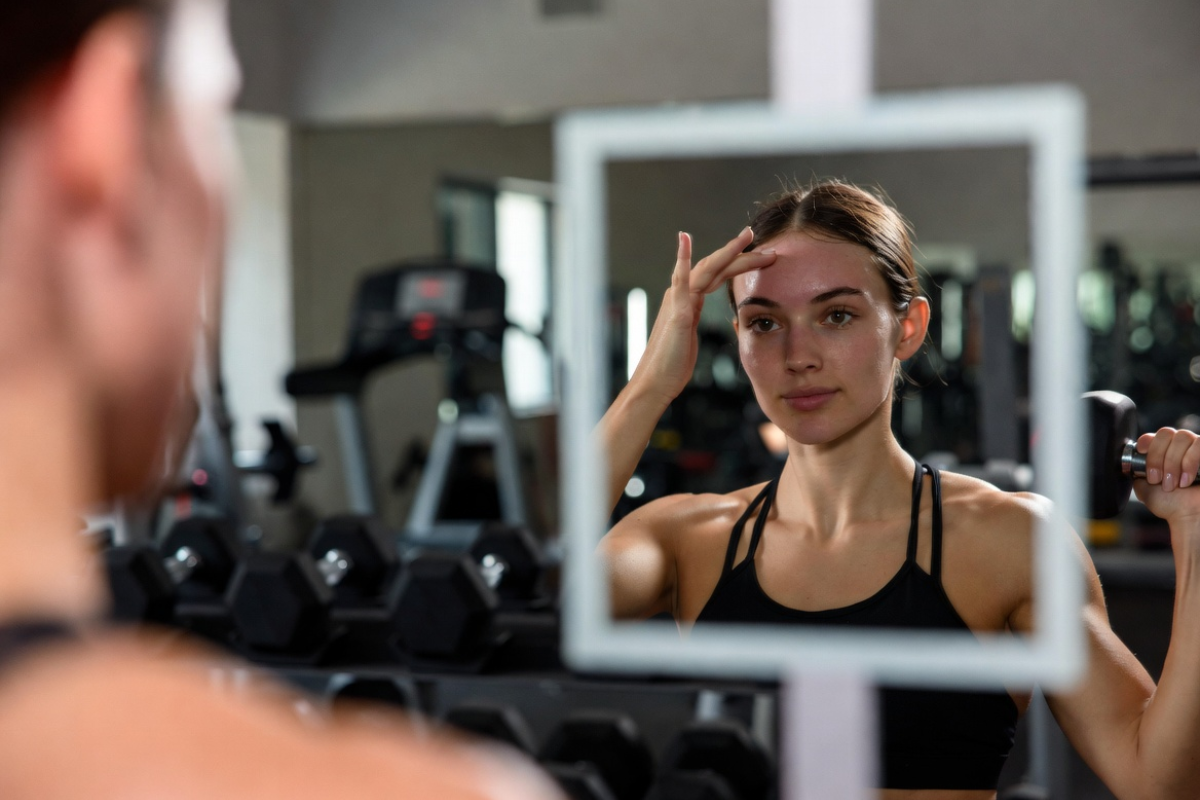
Living an active, health-conscious lifestyle often goes hand in hand with wanting to look and feel your absolute best. For many expats and tourists enjoying the vibrant lifestyle in Thailand, balancing a rigorous fitness routine with aesthetic enhancements like neurotoxin treatments is simply part of a standard wellness regimen. But when you step out of the clinic feeling refreshed, a very practical question arises. Exactly how long after botox can you exercise safely?
The quick answer is straightforward, though it requires a little patience. While Botox is a minimally invasive procedure, the general golden rule across leading aesthetic clinics is to wait 24 hours before engaging in any strenuous workouts. This brief pause allows the product to settle properly, minimizing the risk of unwanted side effects and ensuring your results look as flawless as intended.
Why do medical professionals insist on this waiting period? The science behind post-treatment care is fascinating, and understanding it empowers you to make smarter decisions about your recovery. According to leading aesthetics experts, the first day is a critical window where your body is actively responding to the tiny injections. This article will break down the physiological reasons behind these restrictions, outline a detailed post-treatment timeline, provide specific guidelines for various workout styles, and offer actionable tips for personalizing your Botox aftercare plan.
Why Exercise Restrictions Exist After Botox
Clinicians emphasize minimizing activity soon after your procedure for several crucial physiological reasons. Your body’s natural response to physical exertion can directly interfere with the delicate placement of the neurotoxin.
Increased blood flow and blood pressure
Any activity that elevates your heart rate fundamentally changes your cardiovascular dynamics. Elevated blood pressure forces more blood through your vessels, which directly increases circulation to the face. Because neurotoxin treatments involve small needle punctures, your skin is already undergoing micro-trauma. When your heart rate spikes during a heavy gym session, that increased blood flow can exacerbate post-injection bruising and swelling at the injection sites. What might have been an invisible treatment can suddenly turn into noticeable facial bruising simply because the vascular system was pushed too hard too soon.
Heat and sweating
Body heat and sweat introduce another layer of complication. When you exercise, your core temperature rises, prompting your body to sweat in order to cool down. This increased heat can trigger inflammation and discomfort. Furthermore, wiping away sweat introduces friction to the skin. The tiny injection points remain vulnerable to irritation and bacteria, making heavy sweating a primary concern for infection or prolonged redness.
Theoretical diffusion and migration
Perhaps the most significant concern among aesthetic providers is the risk of the neurotoxin spreading to unintended muscles. When wondering how long after botox can you workout safely, minimizing diffusion is the main reason providers urge patience. Early movement, elevated circulation, or physical pressure can shift the product before it fully binds to the targeted nerve terminals. Dr. Sarah Jenkins, an advanced practice injector, notes that “while the toxin doesn’t simply float around freely, excessive movement and high blood pressure can cause micro-shifts.” This unintended spread can lead to adverse cosmetic effects, such as facial asymmetry or eyelid droop (ptosis), effectively undoing the precise work of your practitioner.

Post-Botox Exercise Timeline
Navigating your return to the gym requires a clear understanding of how the product settles over time. Here is the standard timeline recommended by top dermatologists and aesthetic clinics.
0–4 hours post-Botox (The Critical Window)
The first few hours are universally considered the most critical. During this window, you must stay upright and completely avoid rubbing or touching your face. Absolutely no exercise should occur during this time. The product is highly localized and just beginning to interact with your nerve terminals. Putting on a tight cycling helmet, wiping your forehead, or bending over to tie your shoes can inadvertently apply pressure to the injection points.
4–6 hours post-Botox
As you move past the initial window, very light, upright activity becomes acceptable. A gentle, slow walk around your neighborhood or a relaxed stroll through a local park is generally safe. However, you must still strictly avoid pressure, headgear, or any activity that induces a sweat or raises your heart rate significantly.
24 hours post-Botox (The Golden Rule)
At the 24-hour mark, most providers agree that the product has safely bound to the local tissues. It is generally safe to resume most moderate-to-intense workouts, including jogging, cycling, and standard gym routines. By this time, the micro-injuries from the needles have sealed, significantly reducing the risks of bruising and preventing toxin migration.
24–48 hours post-Botox (The Conservative Approach)
Certain extreme activities require a more conservative 48-hour wait. If your routine involves hot yoga, saunas, or heavy weightlifting that triggers the Valsalva maneuver (holding your breath and straining), it is wise to hold off for two full days. These activities cause massive spikes in facial pressure and body heat, which can challenge even a settled treatment.
Guidance by Workout Type
Not all exercises impact your body the same way. The intensity and head positioning of your chosen activity play a major role in determining when you can safely return to it.
Light vs. Moderate Cardio
A gentle evening walk is vastly different from a moderate 5K run. Light walking keeps your heart rate relatively stable and your head upright, making it perfectly safe after 4 to 6 hours. Moderate jogging, cycling classes, or using an elliptical machine will elevate your blood pressure and cause sweating. Therefore, moderate cardio should be paused until the full 24 hours have passed.
High-Intensity Interval Training (HIIT) and Heavy Weightlifting
HIIT workouts and heavy lifting are notorious for causing facial strain. Have you ever noticed how your face turns red and your neck veins pop when lifting heavy weights? That extreme spike in blood pressure is exactly what you want to avoid after facial injections. Due to the massive pressure placed on the vascular system, these strenuous activities require a strict 24 to 48-hour wait to ensure you do not trigger a delayed bruising response or force the product out of its intended muscle group.
Yoga, Pilates, and Inversions
You might assume that a calming yoga session is a safe bet, but the positioning of your body tells a different story. Inversions, such as downward-facing dog or headstands, force blood to rush directly to your face. This head-down positioning drastically increases the risk of the toxin migrating toward the delicate eye area. Yoga and Pilates, particularly practices conducted in heated rooms, must be entirely avoided for at least 24 to 48 hours.
Does the Treatment Area Matter?
The specific region of your face or body receiving treatment dictates the level of caution required. Different muscle groups respond uniquely to movement and strain.
Upper Face (Forehead/Glabella/Crow’s Feet)
The upper face requires the highest level of caution. The muscles controlling your eyebrows and eyelids are incredibly complex and closely packed. Even a millimeter of unintended spread in the glabella (frown lines) or forehead can result in a heavy brow or eyelid drooping. Because this area is so sensitive to precise placement, the 24-hour rule is strictly enforced here.
Masseter (Jaw)
Injections into the masseter muscles are highly popular for jaw slimming and reducing teeth grinding (bruxism). While the risk of affecting the eyelids is non-existent here, the masseter is a large, powerful muscle. Heavy straining or aggressive chewing should be minimized. You may experience slight soreness, so giving your body a day to recover before a heavy gym session remains highly recommended.
Neck (Platysmal Bands)
Treating the platysmal bands in the neck helps smooth out vertical lines, but the neck is constantly in motion. Because this area involves frequent movement, the injection sites can feel quite tender. Avoiding vigorous upper-body exercises and heavy lifting helps manage post-treatment discomfort and allows the neurotoxin to settle effectively.
Underarms (Hyperhidrosis)
When treating the underarms for excessive sweating, the primary concern shifts from muscle migration to sweat management. Sweat-inducing workouts will directly irritate the freshly injected skin. Preventing heavy sweating for the first 24 hours is absolutely crucial for your physical comfort and for giving the treatment the best environment to take effect.
Risk Factors and Personalization
Universal rules provide a great baseline, but true medical aesthetics should always be personalized. Individual biological factors heavily influence your specific recovery timeline.
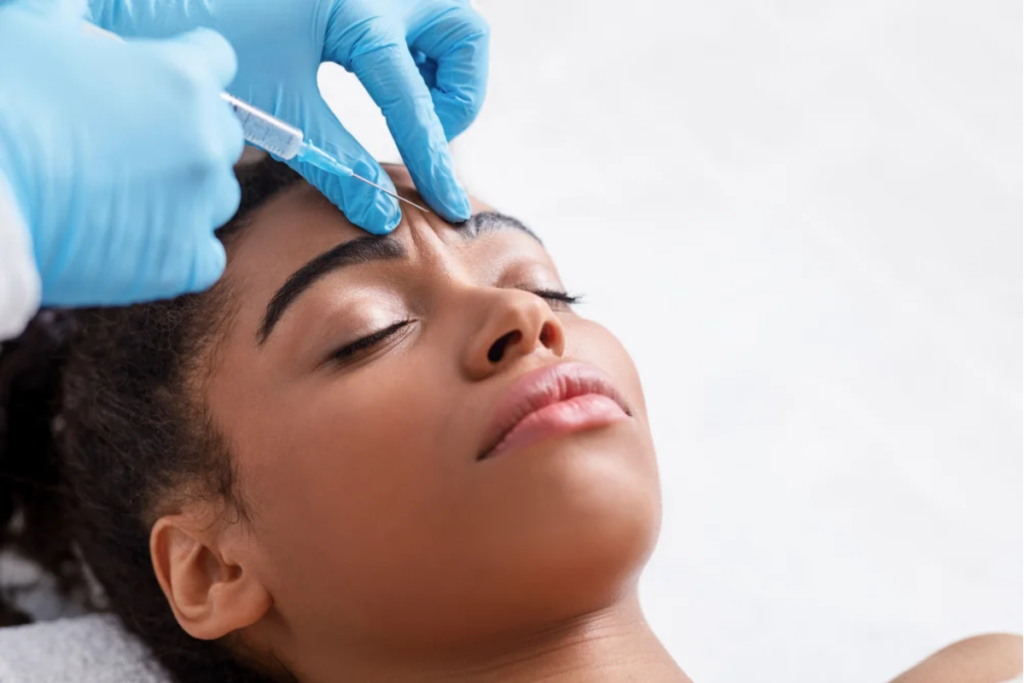
Identifying High-Risk Patients
Some individuals inherently need to wait longer than the standard 24 hours. If you are someone who bruises easily, you should extend your rest period. Patients taking blood thinners, certain daily supplements, or NSAIDs (like Ibuprofen) are at a much higher risk of noticeable bruising. Additionally, if you have recently consumed alcohol, your blood vessels are dilated, making you far more susceptible to post-treatment swelling. In these cases, a 48-hour exercise ban is highly advisable.
Extreme Athletes
For marathon runners, competitive powerlifters, or those training in Muay Thai camps across Thailand, a standard timeline might not apply. Your baseline blood pressure and daily physical strain are much higher than average. You will likely need a carefully tailored timeline crafted by your practitioner, potentially scheduling your injections during a designated rest week to ensure optimal results without derailing your training camp.
The “Baby Botox” Trend
The rising trend of “Baby Botox” or micro-dosing involves injecting smaller amounts of product for a highly natural, expressive look. Because the volume of liquid injected is lower, some patients report a slightly faster recovery time with less localized swelling. However, even with smaller doses, the fundamental rules of muscle binding apply. Always consult your specific injector for a custom exercise plan rather than assuming a lighter dose means you can immediately hit the gym.
When to Call Your Provider for Your Next Steps
The overarching takeaway for your Botox aftercare is simple: wait 24 hours before engaging in any strenuous workouts to ensure the absolute best aesthetic results. Giving your body a single day of rest is a minor trade-off for months of smooth, glowing, and precisely contoured skin.
Red Flag Symptoms: When to Seek Immediate Help
While complications are rare when visiting a verified, professional clinic, you should contact your injector immediately if you experience any of the following:
– Severe or unexpected eyelid drooping
– Vision changes or double vision
– Significant, worsening facial asymmetry
– Difficulty speaking or swallowing
– Severe, unmanageable headaches
Understanding the science behind your treatment helps protect your investment. When you are ready to explore aesthetic options with certified professionals, the next step is finding the right clinic. Through platforms like Doodeena, you can browse verified English-speaking clinics across Thailand, compare transparent pricing, and book a consultation to create a treatment plan tailored to your lifestyle.
Frequently Asked Questions (FAQ)
Can I shower after Botox?
Yes, you can shower, but you need to adjust your normal routine. Keep the water lukewarm rather than piping hot to prevent vasodilation and increased facial circulation. Most importantly, do not aggressively wash or massage your face. Gently pat your skin dry with a clean towel to avoid applying any undue pressure to the injection sites.
Can I do yoga?
As outlined earlier, yoga poses a unique threat due to head positioning. You must absolutely avoid inversions and hot yoga for the first 24 to 48 hours. Keeping your head above your heart is critical for preventing toxin migration.
What if I worked out too soon?
If you forgot the rules and hit the gym too early, do not panic, but do take immediate action to mitigate the risks. Stop exercising, cool your body down, and apply a very gentle, lightweight ice pack to the treated areas to constrict the blood vessels and reduce swelling (do not press hard). Monitor your face closely over the next few days for any signs of facial asymmetry.