


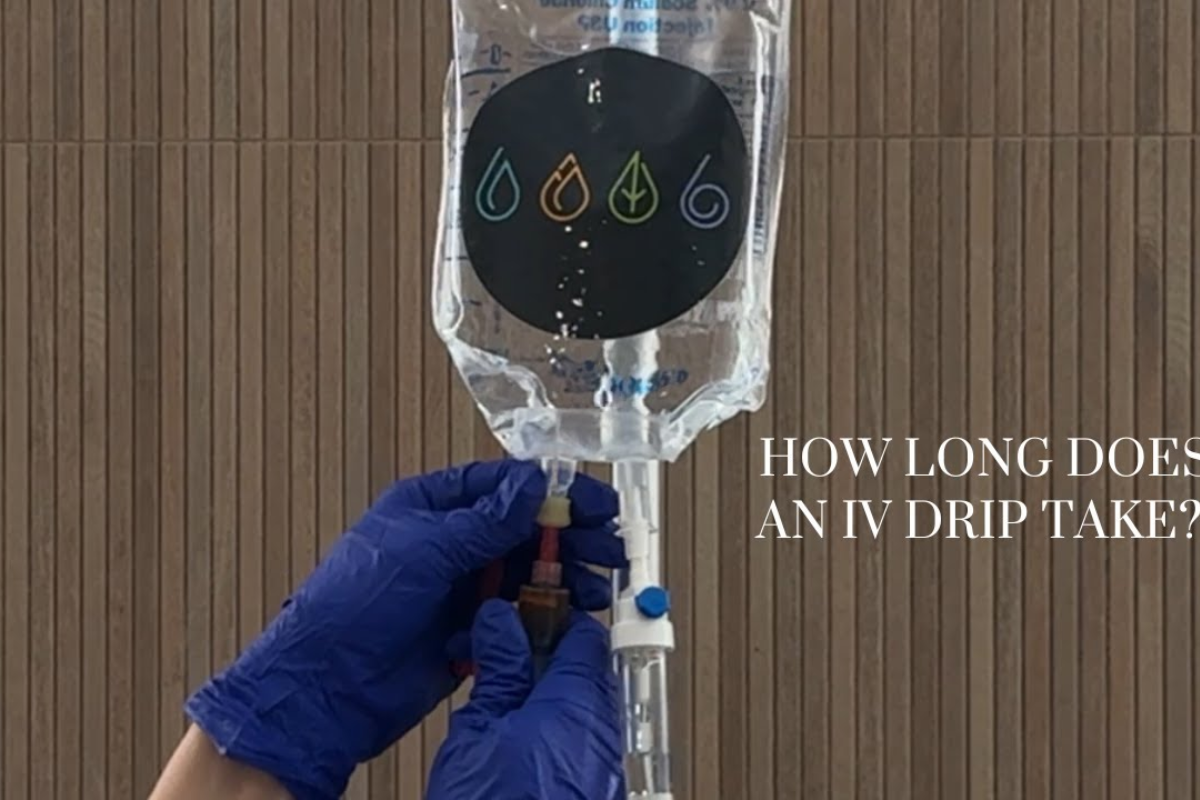
The popularity of intravenous therapy has exploded over the last decade. What used to be a treatment strictly reserved for hospital settings is now a staple in wellness hydration lounges across the globe. From expats seeking a quick recovery after a long flight to Bangkok, to digital nomads wanting a wellness boost before a big event, people are actively exploring the benefits of hydration therapy. But as you sit in a comfortable chair and watch the clear fluid slowly drip down the line, a common question naturally arises.
Exactly how long does iv drip last in your body?
The truth is that the timeline is not a simple, one-size-fits-all answer. The duration of an IV treatment depends heavily on what is actually inside that sterile bag. A simple hydration fluid behaves very differently from a complex cocktail of water-soluble vitamins or specialized medications. Furthermore, your unique baseline health, particularly your heart and kidney function, plays a massive role in how quickly your body processes the infusion.
If you are feeling overwhelmed by the medical jargon, do not worry. This comprehensive guide will break down the science into simple, easy-to-understand concepts. By the end of this article, you will know exactly how your body absorbs, distributes, and eventually eliminates intravenous fluids.
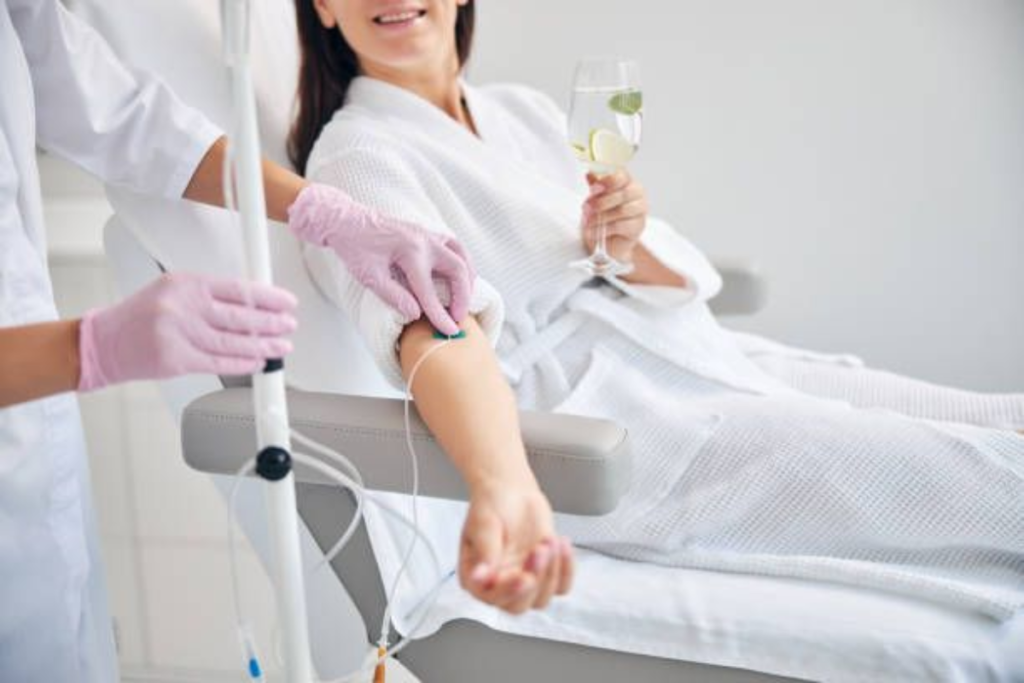
Quick Definition: What Counts as an IV Drip?
Before we track the timeline of a drip, we need to clarify what we are actually putting into the bloodstream. Clinicians and wellness experts divide intravenous therapies into a few distinct categories. Understanding these categories is the first step in figuring out how long does an iv drip last once the needle is removed.
IV Fluids
This is the baseline of almost all drip therapy. Common types include normal saline, which is a 0.9% sodium chloride solution, and lactated Ringer’s. These fluids closely mimic the natural concentration of electrolytes in your blood, making them incredibly effective for rapid rehydration.
IV Vitamins
These are the colorful additions you often see in wellness clinics. The famous “banana bag,” Myers’ cocktails, and immunity drips fall into this category. They typically contain a mix of Vitamin C, B-complex vitamins, and essential minerals tailored to boost energy or support immune function.
IV Medications and Contrast
These drips are primarily used in medical clinics and hospitals. They include essential treatments like antibiotics, anti-nausea medications, and the CT contrast dye used for medical imaging.
The Core Question: What Does “Last in Your Body” Mean?
There is a major misconception surrounding intravenous therapy. Many people assume that once the IV bag is empty, the body has completely “used up” the treatment. This is simply not how human physiology works.
According to leading aesthetics and medical experts, a finished bag is just the beginning of the journey. Medical professionals emphasize that we should not use the word “absorption” when talking about IVs. Because the fluid is delivered directly into the vein, it has 100% bioavailability. There is no digestive process or gastrointestinal absorption step involved at all.
Instead, we need to talk about two specific concepts:
- Distribution: This is where the fluid goes after it enters the bloodstream. The fluids and nutrients rapidly move from your veins into the surrounding tissues, known as the interstitial space.
- Elimination: This is how your body eventually gets rid of the excess water, vitamins, or medications, primarily through the kidneys.
The IV Fluids Timeline: How Long Does IV Drip Last in Your Body?
When you receive a standard saline or hydration drip, the physical fluid follows a very specific pathway. Here is exactly what happens during and after your session.
Immediate to First Few Hours (Redistribution)
The most noticeable effects happen almost immediately. During the infusion, your overall blood volume increases. This immediate hemodynamic effect is why you might feel an instant boost in blood pressure or a sudden relief from dehydration symptoms like lightheadedness and fatigue.
However, the fluid does not stay in your blood vessels for long. Within minutes to a few hours, the water and electrolytes rapidly leave the bloodstream and redistribute into the extracellular space. This hydrates your cells and tissues directly.
The Next 6 to 24 Hours (Excretion)
Once your tissues have taken what they need, the body begins the cleanup process. Healthy kidneys are incredibly efficient at filtering the blood. They will start to excrete the excess water and sodium through a process called diuresis.
For a healthy adult, much of the excess fluid is cleared within 24 hours. You will likely notice an increase in urine output during this window. If you are asking about a basic hydration iv drip how long does it last, you can generally expect the physical fluid to be completely processed and excreted within a single day.
Timeline for IV Additives: Vitamins, Electrolytes, and Medications
The timeline shifts dramatically when you start adding vitamins and drugs to the bag. Different molecules have different chemical properties, which changes how they are stored and eliminated.
Electrolytes (Sodium, Potassium, Magnesium)
Electrolytes are tightly regulated by your organs. While you might see changes in your blood levels immediately, actual stabilization depends entirely on your body’s existing deficits. If you are severely depleted, your cells will hold onto the potassium and magnesium for days. If your levels were already normal, your kidneys will filter out the excess within hours to a day.
Vitamins
The duration of a vitamin drip depends entirely on whether the vitamins are water-soluble or fat-soluble.
- Water-soluble vitamins: Vitamin C and B-complex vitamins dissolve in water. Your body takes what it needs during the infusion, and the kidneys rapidly clear out the rest in a matter of hours. The “high level” window in your blood is actually quite short.
- Fat-soluble vitamins: Vitamins A, D, E, and K are retained much longer. They are stored in your fat tissues and liver. Because they linger for weeks or even months, receiving excessive doses poses a much higher toxicity risk.
Medications and Contrast Dye
For clinical drugs and CT contrast dye, doctors look at the drug’s “half-life.” This is the time it takes for the concentration of the medication in your blood to reduce by half. Depending on the specific drug, clearance usually takes anywhere from a few hours to a full day.
What Changes the Timeline?
No two human bodies are exactly the same. The estimated timelines provided above are based on healthy individuals under normal circumstances. Several patient factors and clinical contexts can drastically alter the duration. So, what changes how long does iv drip last in your system?
Patient Factors
Your underlying health is the biggest variable. Kidney function dictates the speed of elimination. If someone has chronic kidney disease, fluids, vitamins, and medications will stay in their system significantly longer. Heart function also matters. Conditions like heart failure slow down fluid clearance, causing the water to persist in the tissues. Furthermore, liver health, patient age, and baseline hydration status all dictate the processing speed.
Clinical Context
Active medical issues will speed up or slow down the timeline. If you are suffering from severe diarrhea, vomiting, or a high fever, your body will rapidly utilize the infused fluid to replace ongoing losses. The fluid will not be excreted as urine because your tissues desperately need it. Conversely, if you are taking prescription diuretics, your kidneys will be forced to excrete the fluids at a highly accelerated rate.
Signs It’s Clearing Normally vs. Warning Signs
Monitoring how you feel after a drip is essential for your safety. Knowing what is normal and what is a red flag will help you make informed decisions about your health.

Normal Signs of Clearance
When your organs process the treatment correctly, you will experience expected symptoms. You will likely need to urinate more frequently over the next several hours. You should also feel immediate relief from dehydration symptoms, such as an end to dry mouth, reduced fatigue, and a clearer head.
Warning Signs
Complications are rare in healthy individuals, but fluid overload is a serious risk if the heart or kidneys cannot handle the volume. You need to watch for physical swelling, known as edema, particularly in your legs and ankles. Other severe warning signs include chest tightness, difficulty breathing, or shortness of breath.
When to Call a Clinician
If you experience any of the warning signs mentioned above, seek medical attention immediately. Even for minor symptoms, if they persist or worsen after receiving an IV, it is crucial to consult a healthcare provider. Understanding how long iv drip last means knowing that you should feel better, not worse, after a session.
Final Thoughts on IV Hydration Therapy
Intravenous therapy is an incredibly efficient way to deliver hydration, nutrients, and medications directly to your tissues. Because these treatments bypass the digestive system entirely, they distribute quickly and go to work immediately. However, they do not “store” in the body indefinitely. The timelines depend strictly on the specific ingredients in the bag and the functional health of your vital organs.
While IV therapy is a fantastic tool for acute needs, it is not a substitute for daily wellness. You cannot rely on a weekly hydration lounge visit to compensate for a poor lifestyle. To truly optimize your health, you must prioritize sleep, eat a balanced diet, and maintain standard oral hydration throughout the week.
Are you planning to book an aesthetic or wellness treatment during your stay in Thailand? Always consult a primary care physician before undergoing routine commercial IV treatments to make sure they are safe and suitable for your personal medical history. It’s also wise to use trusted intermediaries like Doodeena, which helps connect customers with reputable clinics that offer transparent pricing, English-speaking staff, and verified safety standards for a smooth and secure experience.