



It’s normal to feel impatient after a Botox treatment, but understanding how neuromodulators work can help ease your mind. So, how long does it take for Botox to work? This is one of the most common questions patients ask. The truth is that Botulinum toxin type A temporarily disrupts the communication between nerves and muscles, a complex biological process that requires some time to unfold.
While you might hope for a flawless forehead immediately after leaving the clinic, the medication needs days and sometimes weeks to take full effect. In this guide, we’ll break down a realistic timeline of your results, how specific treatment areas affect onset speed, and the unique variables that can influence your outcome.
Understanding How Botox Function
Before exploring the timeline, it helps to understand why the medication takes days rather than minutes to show effects. The biological reason comes down to how Botulinum toxin type A interacts with your nervous system.
Neuromodulators must be taken up by your nerve terminals. Once there, they block the release of acetylcholine, which is the specific neurotransmitter responsible for causing muscle contractions. Because the treatment alters muscle communication rather than physically filling a wrinkle, you will not see immediate physical changes. The wrinkles and lines soften only as the underlying muscle activity gradually decreases.
Patients sometimes confuse neuromodulators with dermal fillers. Fillers are designed to physically plump a line instantly. Neuromodulators, on the other hand, alter muscle signaling. The smoothing effect is gradual because your muscles need time to slowly relax after the nerve signals are reduced.
The Realistic Day-by-Day Timeline
Botox does not work instantly. The timeline below highlights how the medication typically takes effect, keeping in mind that individual results will vary.
Day 1 to 2: The Waiting Period
During the first 48 hours, you will likely see minimal visible change to your wrinkles. You might notice mild swelling, localized redness, or slight tenderness at the injection sites. These are completely normal responses to the needle itself and usually resolve quickly.
Day 1 to 3: Early Changes
Some people may notice early changes within the first one to three days. You will likely begin to feel less tension in the treated muscles when you try to express yourself. Full movement may still be possible, but the muscles can start to feel slightly heavier or more relaxed.
Day 7 to 14: Noticeable Improvement
By the one-to-two-week mark, noticeable improvement occurs for the vast majority of patients. Wrinkles that normally appear during facial expressions will start to visibly fade. Your skin will begin to look smoother, and the treatment’s effects will become much more apparent. Days 10 to 14 are widely considered a common clinical checkpoint. Providers often use this window to evaluate the initial success of the treatment and determine if any slight touch-ups are necessary.
Up to 30 Days: Full Stabilization
It is important to understand that day 14 is not always the guaranteed final result for every patient. Full results for some approved facial Botox uses may continue developing and stabilizing for up to 30 days. The muscles gradually adapt to the reduced nerve signaling, allowing the overlying skin to smooth out fully over this extended period.
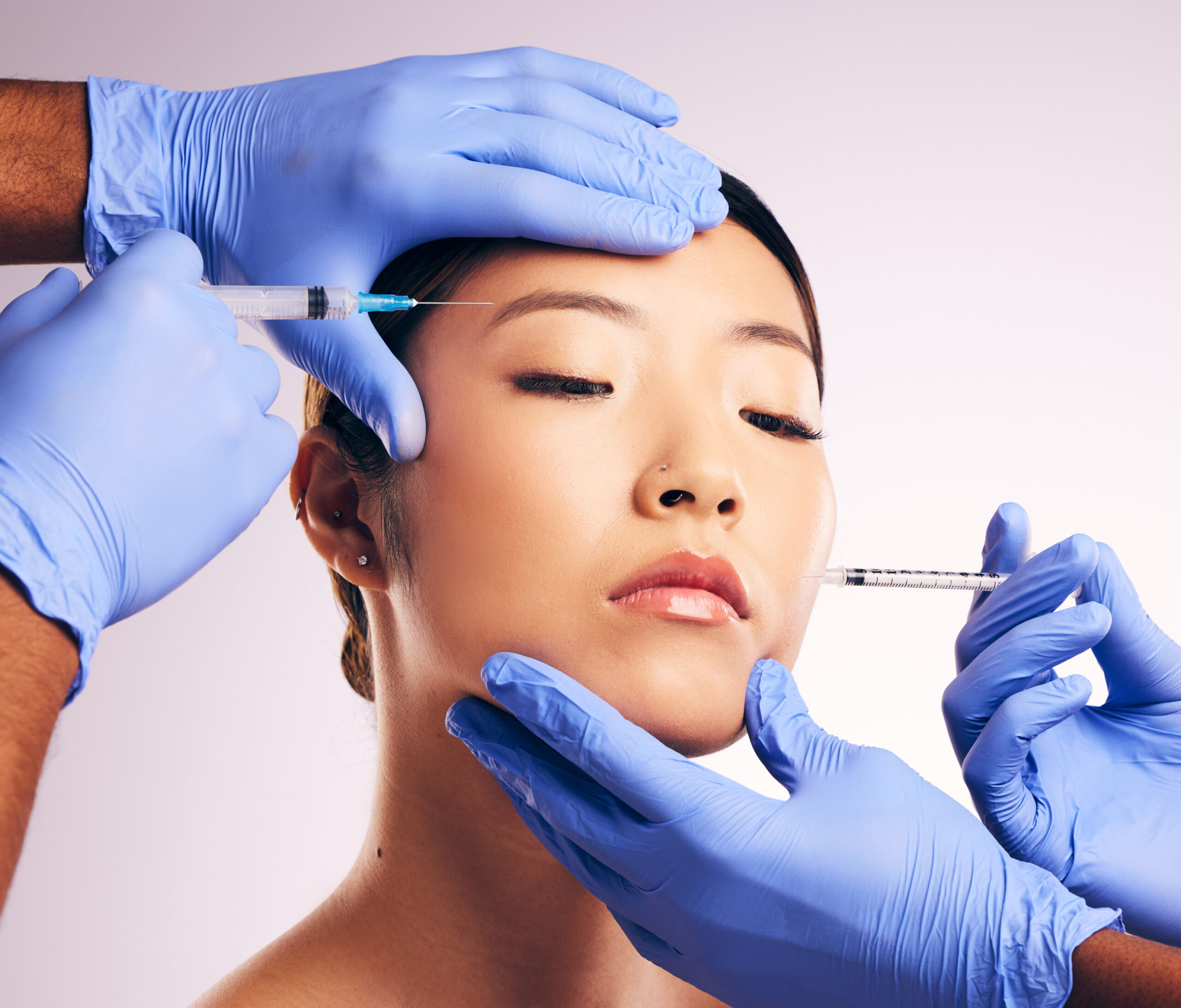
Timelines by Specific Treatment Area
Different muscles and treatment goals dramatically change what patients perceive as a successful timeline. Thicker muscles often take longer to respond than thinner, more delicate muscles.
Forehead and Glabella
The upper face is the most common region for cosmetic injectables. If you are wondering how long Botox takes to work in forehead lines, the answer is often tied to the specific dosing required to preserve your natural brow position. Because providers do the forehead carefully to avoid a heavy brow, it can occasionally take the full 14 to 30 days to look completely natural and settled.
Conversely, if you are treating the area between the eyebrows (commonly known as the “11s” or glabellar lines), the response is usually faster. Because these are strong corrugator muscles that practitioners target directly, patients frequently feel a satisfying relaxation within the first week, with continued smoothing over the following weeks.
The Eye Area
Treating the delicate area around the eyes requires extreme precision. Because crow’s feet are dynamic wrinkles, meaning they appear primarily when you squint or smile; the smoothing effect is most noticeable when you animate your face. Patients often start to see the skin remain smoother during a smile around day five, with clearer improvements stabilizing by the second week.
Jaw and TMJ Treatments
Neuromodulators are frequently used for structural and functional issues, such as treating the masseter muscles for jaw tension or teeth grinding. There is a distinct dual timeline to understand for this area. Pain and tension relief can happen within the first week or two as the muscle relaxes. However, if your primary goal is visible facial slimming, this takes several weeks. The muscle physically needs time to reduce in size from a lack of use.
Therapeutic Medical Uses
For those seeking functional treatments, understanding how long Botox takes to work for migraines is crucial. Therapeutic relief for chronic migraines is often assessed over multiple treatment cycles rather than just a few days. Doctors typically evaluate progress over several months to determine long-term efficacy. Similarly, treatments for hyperhidrosis (excess sweating) commonly take about one to two weeks for peak dryness to occur, though individual responses vary.
Factors Influencing Your Results
Several specific variables influence how quickly you will see your results and how robust those results will be.
Treatment-Related Variables
The dose, or number of units used, plays a massive role in the timeline. Lower doses may result in a slower onset and a more subtle final look. The specific product formulation can also slightly alter the onset time. Furthermore, the precision of the injection placement by your chosen medical professional dictates how effectively the medication reaches the targeted nerve terminals.
Patient-Related Factors
Your unique anatomy dictates a lot of the timeline. Patients with exceptionally strong facial muscles might require more units, and the onset may feel slightly slower. Individual metabolism levels can occasionally influence how the body processes the treatment. Additionally, some clinical observations suggest that patients with higher zinc levels may experience a slightly more effective uptake of the neuromodulator, as Botulinum toxin is a zinc-dependent enzyme.
Post-Treatment Care and Provider Instructions
Protecting your results requires mindfulness after your appointment. The primary goal of post-treatment care is to keep the medication exactly where your doctor placed it.
There is a medical recommendation: you should strictly avoid rubbing, massaging, or applying heavy pressure to the treated area for several days. Manipulating the tissue can cause the medication to spread to unintended muscles, leading to unwanted side effects like a drooping eyelid.
Beyond avoiding pressure, you will likely receive a list of common provider instructions. Many clinics advise patients to remain upright for four hours and to avoid strenuous exercise, saunas, or excessive heat for the first 24 hours. While these instructions are widespread in the aesthetic industry, they may vary by clinic and practitioner based on their specific protocols and practice-based evidence. Always follow the tailored advice given by your certified injector.
Safety and Warning Signs to Watch For
It is vital to differentiate between normal, expected side effects and rare complications that require medical attention. Mild bruising, localized swelling, a slight headache, and a feeling of tightness at the injection site are completely normal expected side effects.
However, neuromodulators carry potential risks if the medication spreads beyond the intended injection site. You should contact your provider urgently or seek immediate medical attention if you experience any of the following symptoms:
- Drooping eyelids (ptosis)
- Blurred vision or double vision
- Unusual or severe muscle weakness
- Trouble speaking or articulating words
- Trouble swallowing
- Trouble breathing
While severe complications are rare when treatments are performed by qualified medical professionals, knowing these warning signs ensures you can act quickly and safely.
Trusting the Stabilization Process
Achieving a beautiful, natural-looking aesthetic result requires allowing your body the time it needs to interact with the medication. By understanding that early changes can start in a few days, noticeable improvements commonly occur by week two, and full stabilization can take up to 30 days, you can navigate your aesthetic journey with confidence.
Always prioritize your health by choosing verified medical professionals and strictly following their aftercare guidance. When you are ready to safely explore your cosmetic options in Thailand, take the time to research qualified practitioners who prioritize safety and realistic timelines.

Finding a Verified Provider in Thailand
Thailand is a premier destination for medical tourism, offering world-class aesthetic facilities in cities like Bangkok, Phuket, and Chiang Mai. However, the abundance of choices can make finding a trustworthy provider challenging.
This is exactly why using a curated directory like Doodeena can make the process much easier. The platform connects you with verified cosmetic and aesthetic specialists in Thailand, helping you compare trusted clinics in one place. Qualified clinics will guide you through the full process, including explaining the expected timeline, providing appropriate treatment, and arranging follow-up appointments to monitor your results safely.
Disclaimer: This article is for informational purposes only and does not constitute medical advice. Always consult with a qualified healthcare professional regarding any medical treatments or symptoms.
Frequently Asked Questions
Can I speed up how fast the treatment works?
There is no medically proven way to drastically speed up the biological process at the neuromuscular junction. The medication simply requires time to bind to the nerve terminals. Practicing patience is the safest approach.
What should I do if I see no change at day 14?
If you reach the 14-day mark and still have excessive movement, contact your clinic. Your clinician might suggest waiting a little longer, or they may add a few extra units during a touch-up appointment to address particularly strong muscles.
Does a faster metabolism mean the medication wears off sooner?
Metabolism can play a role in how quickly your body breaks down the neuromodulator over the course of several months. Patients with highly active lifestyles or exceptionally fast metabolisms sometimes report that their results wear off slightly faster than the standard three-to-four-month average.
Is it normal for one side of my face to work faster than the other?
Yes, minor asymmetries during the onset phase are common. One muscle group might absorb the medication slightly faster than the other. This usually balances out as the medication fully stabilizes over the 30-day window.