



You just walked out of a trusted clinic, feeling a mix of excitement and anticipation about your recent cosmetic treatment. Naturally, the first thing many patients do upon returning home is look in the mirror. You might even check your reflection again a few hours later, quietly asking yourself: when does Botox kick in? It is completely normal to feel eager after your appointment, hoping to see those smooth, refreshed results right away.
However, understanding the biological reality of neuromodulators can help manage those post-treatment expectations. While you may feel some subtle changes early on, instant wrinkle reduction is a myth. Early changes may begin within one to two days, and many people notice clearer improvement over the first one to two weeks. Furthermore, full results for some specific facial indications may actually take up to 30 days to fully develop.
Whether you are a first-time patient or returning for a seasonal touch-up, it helps to remember that this process simply takes time. By knowing what to expect, you can enjoy the transition without unnecessary worry. This comprehensive guide will explain the science behind how these treatments work, provide a realistic day-by-day timeline, and outline sensible botox aftercare practices to ensure the best possible outcome.
How Botox Actually Works (And Why It Takes Time)
To understand why your face does not freeze the moment you leave the clinic, you need to understand the science behind the treatment. Botulinum toxin type A acts as a neuromodulator. It works by temporarily blocking the release of a neurotransmitter called acetylcholine at the neuromuscular junction. Without this chemical signal, your muscles do not receive the message to contract, which significantly reduces muscle activity in the targeted area.
Because this is a complex biological process, the effects cannot be instantaneous. The nerve terminals need time to internalize the protein and disrupt the release machinery. You are waiting for your body to process the medication at a cellular level.
It is also vital to understand the difference between treating dynamic lines and static lines. Dynamic lines are wrinkles that appear with movement, like raising your eyebrows in surprise or squinting in the bright Phuket sun. Static lines are wrinkles that are etched into your skin even when your face is completely at rest. Neuromodulators are highly effective for dynamic lines. By resting the muscle, the overlying skin gets a break from constant folding, which softens the skin over time.

The Day-by-Day Botox Timeline
Knowing what to expect each day can save you a lot of stress. While everyone’s body reacts uniquely, here is a generally accurate breakdown of the post-treatment timeline.
Days 0–1: Immediate Reactions
Managing your immediate expectations is key. Right after your appointment, you will likely see normal fluid bumps that resemble tiny mosquito bites. You might also experience mild redness and possibly slight swelling or tenderness at the injection sites. Zero wrinkle reduction happens at this stage. The bumps are simply the injected fluid, which your body usually absorbs within a few hours. By the 24-hour mark, cellular internalization has begun, but visually, your dynamic lines will still be present.
Days 2–7: Early Onset Window
A noticeable decrease in muscle movement often begins during this window. You might feel a slight heaviness or notice that your facial muscles feel a bit weaker. Do not panic if you observe slight asymmetry right now. Different muscles may react at slightly varying speeds, meaning one eyebrow might feel slightly stiffer than the other. This is a common part of the process. By the end of the first week, the softening of dynamic lines becomes much more apparent.
Days 8–14: The Integration Window
Significant improvement is typically visible for many patients during the second week. The targeted muscles should feel noticeably more relaxed, and the overlying skin will look smoother. Makeup often applies more evenly over areas that previously held fine lines. Because the medication is integrating well by this point, many clinics schedule a two-week follow-up appointment. This allows your provider to assess the progress and determine if any minor touch-ups are needed.
Beyond Day 14: Reaching Full Results
While many patients feel their results are “complete” at the two-week mark, biological timelines vary. For some facial indications and stronger muscle groups, the full effects of the treatment may take up to 30 days to fully manifest. Patience remains essential throughout this entire first month.
Factors That Influence Your Personal Timeline
You might wonder why a friend saw results in three days while you are waiting a full week. Several key variables influence how quickly a neuromodulator takes effect.
Muscle mass and the specific treatment area play a massive role. The strong muscles of the glabella, those “11 lines” between your eyebrows, often require more time and a higher dosage to relax compared to the delicate, thinner muscles around your crow’s feet.
Individual biology also heavily impacts the timeline. Your natural metabolism, baseline expressiveness, and even your prior history with cosmetic injectables can shift your unique response time.
Finally, the current trend of “Baby Botox” or micro-dosing influences the onset. This technique uses lower doses for a subtle reduction in movement rather than a completely smooth look. Because the dose is lower, patients sometimes feel the onset is slower or the result is lighter, which is entirely intentional.
Evidence-Based Aftercare: What You Need to Know
Achieving the best possible outcome requires a partnership between your provider’s clinical skill and your own post-treatment care. While clinical evidence on specific aftercare rules is still debated in the medical community, adhering to cautious guidelines can help minimize risks.
Common Clinic Guidance
Many aesthetic clinics provide specific instructions aimed at preventing the medication from migrating away from the targeted muscles. Common clinic guidance often includes avoiding strenuous exercise or the gym for at least 24 hours. Elevated blood pressure and increased blood flow might theoretically affect how the product settles.
Similarly, many providers suggest not lying flat for the first four hours post-treatment. While robust clinical studies definitively proving migration from lying down are limited, this remains a widely recommended precaution to ensure optimal settling of the neuromodulator.
The Golden Rule: Do Not Rub
If there is one absolute rule in post-treatment care, it is this: do not rub, massage, or deeply manipulate the treated area. Applying physical pressure to the injection sites can actively push the toxin into unintended neighboring muscles. This is a primary cause of unwanted side effects, such as a drooping eyelid. Be gentle when washing your face or applying skincare products in the days immediately following your appointment.
Safety First: Normal Reactions vs. Medical Red Flags
Disclaimer: This information is for educational purposes and does not replace professional medical advice. Always consult your healthcare provider regarding your specific health needs.
Expected Mild Reactions
Common, short-term reactions include mild swelling, temporary redness at the injection sites, light bruising, and occasionally a mild, temporary headache. These are standard biological responses to the injections themselves and usually resolve quickly on their own without intervention.
When to Contact Your Provider Urgently
While severe complications from cosmetic neuromodulators are rare when administered by qualified professionals, you must know what warrants immediate medical attention. Please contact your provider urgently if you experience:
- Drooping eyelids (ptosis)
- Blurred or double vision
- Worsening overall muscle weakness
- Trouble speaking
- Trouble swallowing
- Trouble breathing
Recognizing these red flags ensures you can receive prompt medical assessment if an adverse reaction occurs.
Maintenance and Longevity of Results
Neuromodulators provide a temporary, yet highly effective, solution to dynamic wrinkles. For the average patient, the cosmetic effects typically last between three to four months.
Understanding the biological recovery process helps set realistic long-term expectations. Over time, your nerve terminals gradually regenerate and regain function, allowing muscle movement to slowly return. Your results will not simply vanish overnight; instead, you will slowly notice your ability to make certain facial expressions coming back.
Establishing a consistent maintenance schedule is an excellent way to keep your skin looking refreshed year-round. Reputable clinicians usually advise against early additional dosing before the full maturation of your current treatment. Wait out the initial development period, assess the results with your doctor, and plan your next visit roughly three to four months down the line.
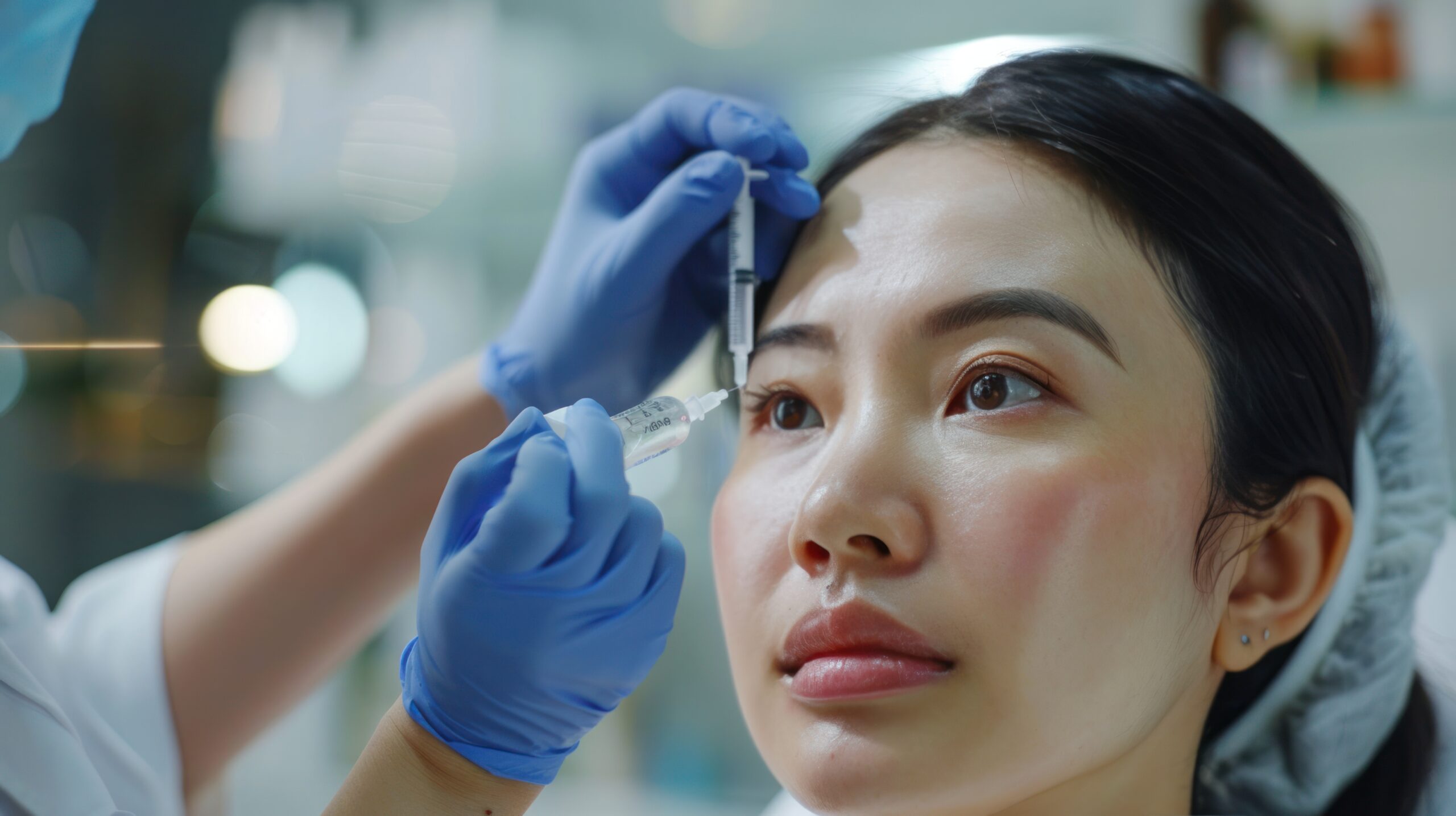
Partnering with Verified Aesthetic Professionals
Patience is a necessary part of your non-surgical aesthetic journey. By understanding that early changes start within a few days but full results can take up to a month, you can enjoy the process without anxiety. Adhering to your provider’s specific aftercare guidance, especially avoiding massaging the treated area, will help ensure a safe and effective outcome.
If you are looking for certified quality you can trust, Doodeena helps connect you with verified clinics and qualified professionals. Browse the platform’s directory of providers across Thailand to compare your options and choose a clinic that matches your needs. Contact your selected provider directly to book a consultation and take the next step toward your aesthetic goals with confidence.
Frequently Asked Questions (FAQs)
Why haven’t my results appeared yet?
If you are looking in the mirror on day three and seeing no change, take a deep breath. The biological mechanism requires time. Early changes may begin within a couple of days, but full results can take up to 30 days for some patients. Give the medication ample time to integrate before worrying about the outcome.
Can I work out after my appointment?
Common clinic guidance suggests pausing strenuous workouts for at least 24 hours. Heavy exercise raises your blood pressure and increases blood flow to the face, which providers caution might displace the medication before it has properly settled.
Can I sleep on my side?
Many providers recommend sleeping on your back with your head slightly elevated for the first night. This prevents you from putting direct pressure on the treated areas, reducing the potential risk of product migration.
Are botulinum toxin units the same across all brands?
No. Botulinum toxin units are not interchangeable across brands. A unit of Botox is not equivalent to a unit of Dysport or Xeomin. Your provider will calculate the appropriate dosage based on the specific formulation they select for your treatment.