


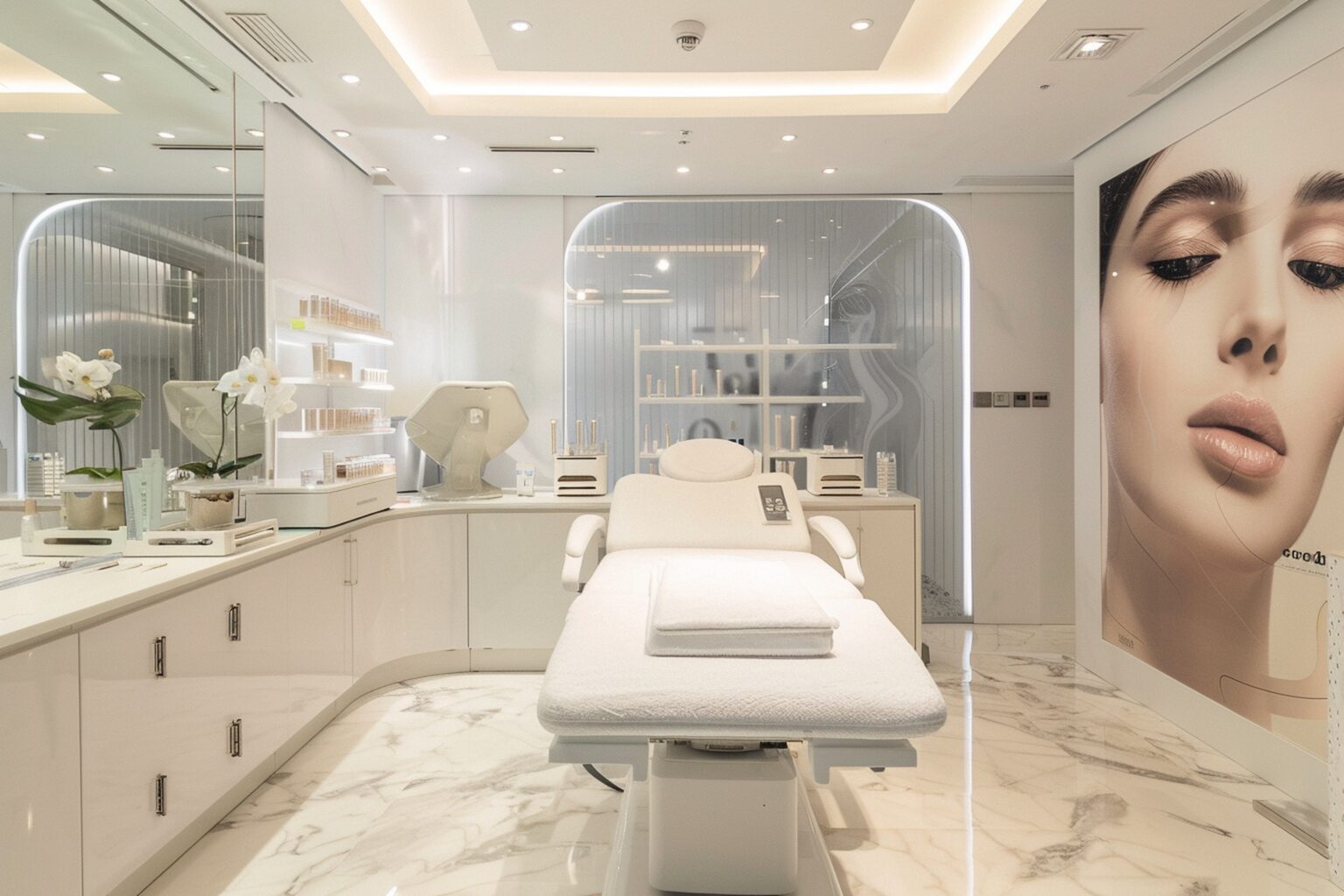
Thailand is a well-regarded destination for aesthetic treatments, supported by a mature private healthcare sector, skilled clinicians, and competitive pricing. Many international patients travel to hubs like Bangkok, Phuket, and Chiang Mai specifically for cosmetic procedures. However, navigating the vast number of aesthetic clinics in Thailand can be challenging. The sheer volume of providers promoted through social media, influencer content, and package-style marketing makes it difficult to identify facilities that meet appropriate clinical standards.
When you seek care abroad, a careful, verification-first approach helps reduce preventable harm and supports better decision-making. You must verify safety protocols, facility licences, doctor credentials, product authenticity, and aftercare plans before committing to any procedure. If you are still comparing options, you can browse aesthetic clinics in Thailand through Doodeena’s clinic directory, then use the safety checklist below to verify each provider before booking.
This guide explains how to verify a safe, certified beauty clinic quickly, practically, and without relying on marketing claims. (Results vary by individual case, and a proper clinical consultation is always essential.)
What Counts as an Aesthetic Clinic in Thailand?
In Thailand, the term “beauty clinic” can refer to several different types of providers and treatment settings. This distinction matters because the safety requirements for a simple facial are entirely different from those required for deep tissue work, sedation, or surgery. The practical rule to remember is that the more invasive the procedure is, the higher the standard you should require for facility licensing, clinician credentials, consent, infection control, and complication pathways.
Common services you will see under the clinic umbrella include:
- Injectables: This includes botulinum toxin, dermal fillers, and biostimulators (such as collagen-stimulating injections).
- Energy-based treatments: These treatments cover lasers for hair removal or pigmentation, intense pulsed light (IPL), and radiofrequency or ultrasound tightening devices.
- Skin treatments: This covers dermatology-adjacent services like chemical peels and medical microneedling.
- Minor procedures: These include outpatient services like mole removal and scar revision.
- Hospitals with cosmetic departments: These facilities often feature stronger governance, strict documentation, and immediate emergency capabilities.
- Plastic or cosmetic surgery clinics: If surgery or anesthesia is involved, operating theatre standards, credentialed anesthesia care, and emergency protocols become absolutely central to your safety.
Why Safety Verification Matters for International Patients
International patients frequently encounter highly polished branding. Social media ads, deep discounts, and package-style marketing should never be your only decision factors. An attractive Instagram feed does not guarantee sterile equipment or authentic products.
Traveling for medical or cosmetic care introduces unique variables. You might have limited time in the country for follow-up appointments, or you might face language barriers when discussing complex medical risks. A verified clinic will prioritize patient safety over high-pressure sales tactics. By taking the time to verify the fundamentals, you protect yourself from counterfeit products, unqualified practitioners, and inadequate infection control.
4 Things to Check Before Choosing Aesthetic Clinics in Thailand
Marketing terms like “certified” or “international standard” are common, yet they are often vague. Focus on four verifiable pillars to ensure your chosen facility is operating legally and safely.
1. Licensed Facility (Baseline Requirement)
A legitimate medical clinic must hold an appropriate Thai healthcare facility licence under the regulatory framework of Thailand’s Ministry of Public Health(MoPH). This indicates that the facility operates within a legal structure, supports minimum hygiene standards, and creates clear pathways if a formal complaint is required. Always ask the clinic to show their facility licence and take note of the details.
2. Licensed Practitioner (Baseline Requirement)
For medical procedures, you should expect the treating clinician to be a licensed medical doctor registered in Thailand. For higher-risk procedures (complex injectables, deep lasers, or surgery), relevant training and scope of practice become even more important.
What to do:
- Request the doctor’s full name and licence details
- Insist on a real doctor consultation, not only sales/admin screening
- Confirm experience aligns with your procedure type (injectables vs laser vs surgery)
3. Authentic, Traceable Products (Critical for Injectables)
Counterfeit or grey-market injectables are a known risk in many markets. Product traceability is one of the most practical safety checks an international patient can perform.
What to do (injectables):
- Ask for the brand name
- Ensure packaging is sealed and opened in front of you
- Confirm lot/batch numbers are documented in your patient record
4. Quality systems and accreditation (Higher Bar, Not Always Necessary)
Licensing is the baseline. Accreditation can be a meaningful additional signal, especially for hospitals.
- JCI accreditation is widely recognized internationally and is more commonly held by hospitals than small clinics.
- ISO certifications may reflect process standards but do not replace medical licensing.
How to interpret claims:
If a provider says they are “certified,” ask:
- Certified by whom?
- Certified for what scope (clinic, hospital, specific system)?
- Certified since when, and is it current?

How to Verify an Aesthetic Clinic in 20–30 Minutes
You can complete a practical pre-consultation audit before you commit to any treatment.
- Facility licence: Check that the official licence is displayed or provided upon request.
- Clean clinical environment: Ensure the space looks like a medical facility with designated treatment rooms, not a casual salon setup. Check that sharps disposal bins are visible and hand hygiene practices are evident.
- Doctor identity: Confirm the full name and credentials of the doctor. Clarify exactly who will perform the treatment. If the clinic refuses to name the clinician, treat that as a serious warning sign.
- Product packaging and batch numbers: Before any injection, ensure the clinic can state the exact formulation being used. Verify the sealed box and the batch numbers.
- Medical intake: A safe clinic acts like a healthcare provider. They should ask about your allergies, current medications, and relevant health conditions.
- Written consent: You should receive a document outlining the risks, alternatives, expected outcomes, and expected downtime.
- Written aftercare: The clinic must provide clear instructions on how to care for yourself post-treatment.
- Emergency or hospital referral pathway: Ensure they have a clear contact channel for concerns after your treatment and a plan for medical escalation if required.
Common Treatment Risks to Understand Before Booking
Understanding risks helps you evaluate whether a clinic can respond to complications responsibly. A professional clinic will discuss these openly.
- Fillers and biostimulators: A rare but serious risk with dermal fillers is vascular occlusion, which can lead to tissue injury. Other risks include infection, delayed inflammatory reactions, granulomas, migration, or asymmetry.
- Botulinum toxin: Potential adverse outcomes can include temporary eyelid droop (ptosis), facial asymmetry, or unwanted muscle weakness.
- Lasers, RF, and ultrasound devices: Risks associated with energy devices can include burns, post-inflammatory hyperpigmentation (especially in darker skin tones), scarring, and eye injury if protection is inadequate.
- Infection control: Any procedure that breaks the skin introduces an infection risk. A competent clinic uses single-use disposables, proper sterilization protocols, and correct clinical waste disposal based on universal standards similar to those outlined by the WHO.
Safety Checklist for Choosing Aesthetic Clinics in Thailand
Use this screenshot-friendly checklist as your non-negotiable standard before proceeding with any treatment.
- Facility licence displayed or provided on request
- Treating doctor is identifiable, consultable, and verifiable
- Full medical intake completed (allergies, medications, contraindications)
- Written informed consent covering risks and alternatives
- Authentic products opened in front of the patient
- Lot or batch numbers documented in your medical record
- Clear complication plan with a hospital referral pathway
- Written aftercare instructions provided
- Reachable post-treatment contact established
Red Flags to Watch Out For
If you notice any of the following signs, pause and reassess your choice. A well-run clinic will give you time to decide and will answer your questions without defensiveness.
- Deep discounts offered without any product brand transparency.
- Refusal to name the doctor, or claims that the “doctor is not available” for questions.
- Procedures performed by unclear or non-medical staff.
- No real consent process, or only a generic liability waiver provided.
- Claims that a medical procedure is “100% safe” or a refusal to discuss potential complications.
- Products prepared in a back room and not opened in front of the patient.
- Poor hygiene or unclear equipment sterilization practices.
- High-pressure upselling or urgency-based sales tactics.
Questions to Ask Before Your Treatment
Bring these specific questions to your consultation to evaluate the clinic’s clinical maturity and transparency.
If you are getting fillers:
- What specific filler type is being used, and why is it suitable for this area?
- Is hyaluronidase available on-site to dissolve the filler in an emergency?
- For high-risk areas like the nose or under eyes, what is your risk-mitigation approach?
If you are getting botulinum toxin:
- What exact brand will be used?
- Can I see the sealed packaging before the treatment begins?
- Who exactly will perform the injection?
If you are getting lasers or energy-based treatments:
- What is the device model? Is it suitable and safe for my specific skin type?
- Do you offer a test spot before doing the full face?
- What specific eye protection will be used during the procedure?
If you are getting peels or microneedling:
- Are the needles single-use and sterile?
- What screening is done to check for contraindications and pigmentation risks?
If you are getting surgical procedures:
- Is the procedure taking place in an appropriately licensed surgical facility?
- Who provides the anesthesia, and what are their specific medical credentials?
- What emergency resources and escalation pathways exist if something goes wrong?
How Doodeena Can Help You Compare Aesthetic Clinics in Thailand
Finding a trustworthy provider requires research and diligence. Doodeena offers a comprehensive directory designed to help international patients browse clinics, compare treatment categories, and discover reliable providers across Thailand. The platform emphasizes transparent pricing, verified clinic listings, and language-friendly experiences.
By organizing clinic information in one accessible place, Doodeena makes the initial discovery phase much clearer. However, it is important to remember that a directory is your starting point. You must still take personal responsibility to verify facility licences, consult with the named doctors, check product authenticity, and review the aftercare plans before booking your final appointment.

Making a Safer Choice Before Booking
Traveling for cosmetic treatments offers great opportunities, but it also demands careful planning. Choosing aesthetic clinics in Thailand should always start with safety, clinical standards, and verifiable credentials, rather than solely focusing on price tags or social media popularity.
Don’t schedule complex treatments right before you fly home. Allow yourself ample time for swelling to subside and for an early medical review if needed. Keep your own documentation, take photos of product boxes, and ensure you have a clear plan for post-departure complications. Use Doodeena to discover your options, and always rely on the safety checklists provided in this guide to make an informed, confident decision for a satisfying experience.