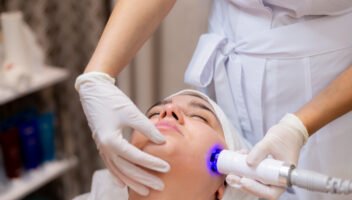
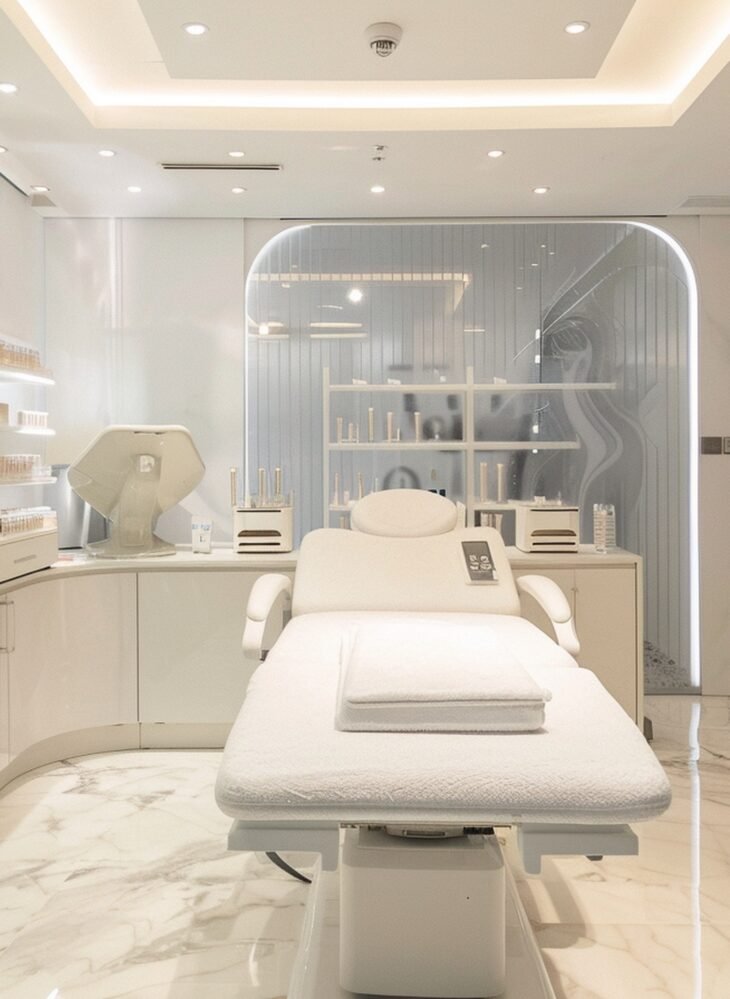
Thailand is a well-regarded destination for aesthetic treatments, supported by a mature private healthcare sector, skilled clinicians, and pricing that can be more competitive than many Western markets—particularly in hubs like Bangkok, Phuket, and Chiang Mai. The challenge for international patients is that the sheer volume of clinics—often promoted via social media, influencer content, and “package-style” marketing—can make it difficult to identify providers that meet appropriate clinical and safety standards. In line with global patient-safety principles, a careful, verification-first approach helps reduce preventable harm and supports better decision-making for care abroad. Medidash Global’s role is to guide and coordinate this verification process as an international patient consultant—connecting you with vetted providers and helping you navigate consultations, documentation, and aftercare planning (results vary by individual case, and a proper clinical consultation is essential).
This article explains how to verify a safe, certified beauty clinic in Thailand—quickly, practically, and without relying on marketing claims.
How to choose a safe and certified beauty clinic in Thailand: what “beauty clinic” means
In Thailand, “beauty clinic” can refer to several different types of providers and treatment settings. This matters because the safety requirements for an injectable appointment are not the same as those for procedures involving deeper tissue work, sedation, or surgery.
Common services you’ll see under the “beauty clinic” umbrella include:
- Injectables
- Botulinum toxin
- Dermal fillers
- Biostimulators (e.g., collagen-stimulating injectables)
- Energy-based devices
- Lasers (hair removal, resurfacing, pigment)
- IPL (intense pulsed light)
- RF/ultrasound tightening devices
- Dermatology-adjacent skin treatments
- Chemical peels
- Microneedling
- Minor procedures
- Mole removal
- Scar revision
Adjacent settings you may also consider:
- Hospitals with cosmetic departments
Often stronger governance, documentation, and emergency capability. - Plastic/cosmetic surgery clinics
If surgery or anaesthesia is involved, operating theatre standards, credentialed anaesthesia care, and emergency protocols become central.
Practical decision rule: The more invasive the procedure, the higher the standard you should require for facility licensing, clinician credentials, consent, infection control, and complication pathways.
How to choose a safe and certified beauty clinic in Thailand by verifying 4 essentials
Marketing terms like “certified” or “international standard” are common—and often vague. When choosing a safe and certified beauty clinic in Thailand, focus on four verifiable pillars.
1) Licensed facility (baseline requirement)
A legitimate medical clinic should hold an appropriate Thai healthcare facility licence under the Ministry of Public Health framework.
Why it matters:
- Indicates the facility is within a regulatory structure
- Supports minimum standards and oversight
- Creates clearer pathways if a complaint or investigation is required
What to do: Ask the clinic to show their facility licence and record the key details.
External reference: Thailand’s Ministry of Public Health website for official context
2) Licensed practitioner (baseline requirement)
For medical procedures, you should expect the treating clinician to be a licensed medical doctor registered in Thailand. For higher-risk procedures (complex injectables, deep lasers, or surgery), relevant training and scope of practice become even more important.
What to do:
- Request the doctor’s full name and licence details
- Insist on a real doctor consultation, not only sales/admin screening
- Confirm experience aligns with your procedure type (injectables vs laser vs surgery)
3) Authentic, traceable products (critical for injectables)
Counterfeit or grey-market injectables are a known risk in many markets. Product traceability is one of the most practical safety checks an international patient can perform.
What to do (injectables):
- Ask for the brand name (not vague “Korean filler” language)
- Ensure packaging is sealed and opened in front of you
- Confirm lot/batch numbers are documented in your patient record
4) Quality systems and accreditation (higher bar, not always necessary)
Licensing is the baseline. Accreditation can be a meaningful additional signal—especially for hospitals.
- JCI accreditation is widely recognized internationally and is more commonly held by hospitals than small clinics.
- ISO certifications may reflect process standards but do not replace medical licensing.
How to interpret claims:
If a provider says they are “certified,” ask:
- Certified by whom?
- Certified for what scope (clinic, hospital, specific system)?
- Certified since when, and is it current?
External reference: JCI (for understanding accreditation context and verification)
How to verify a safe and certified beauty clinic in Thailand in 20–30 minutes (step-by-step)
This is a practical “pre-consultation audit” you can complete before you commit.
Step 1: Verify the facility
Look for both paperwork and real-world fundamentals.
Checklist:
- Facility licence can be shown (photo is fine)
- Clean, clinical environment (not a salon-style setup for medical procedures)
- Designated treatment rooms
- Sharps disposal visible and appropriate
- Hand hygiene and basic infection control practices are evident
Step 2: Verify the doctor (not just the brand)
Non-negotiable: you should be able to identify the treating doctor.
Confirm:
- Full name and credentials
- Who will actually perform the treatment (doctor vs assistant)
- A doctor is available to discuss risks, alternatives, and suitability
If the clinic won’t name the clinician, treat that as a serious warning sign.
Step 3: Verify product legitimacy (injectables)
Before any injection:
- Packaging is sealed and opened in front of you
- Lot/batch numbers are recorded
- The clinic can state the exact brand and formulation being used
Step 4: Verify protocols—screening, consent, and aftercare
A safe clinic behaves like a healthcare provider, not a retail counter.
Expect:
- Medical intake: allergies, current medications, relevant conditions
- Written informed consent covering:
- Risks
- Alternatives
- Expected outcomes and downtime (results vary)
- Written aftercare instructions
- A clear contact channel for concerns after treatment
External reference for patient safety principles (framework-level, not treatment advice):
How to choose a safe and certified beauty clinic in Thailand by understanding key risks (without panic)
The goal is not to create alarm. It’s to help you evaluate whether a clinic can recognize and respond to complications responsibly.
Fillers and biostimulators
A rare but serious risk with dermal fillers is vascular occlusion, which can lead to tissue injury and, in severe cases, vision-related complications.
Other risks include:
- Infection
- Delayed inflammatory reactions
- Granulomas
- Migration or asymmetry
Questions to ask:
- What is the complication protocol if severe swelling, pain, or colour change occurs?
- For HA fillers: does the clinic have hyaluronidase available and a plan for urgent escalation?
- Is there a hospital referral pathway if needed?
Botulinum toxin
Potential adverse outcomes can include:
- Eyelid droop (ptosis)
- Asymmetry
- Unwanted muscle weakness
Questions to ask:
- What exact brand will be used?
- Can you see the sealed packaging before treatment?
- Will the injection be performed by a licensed doctor?
Lasers, RF, and ultrasound devices
Risks can include:
- Burns
- Post-inflammatory hyperpigmentation (especially in darker skin tones)
- Scarring
- Eye injury if protection is inadequate
Questions to ask:
- What is the device model, and is it suitable for my skin type?
- Is there a test-spot protocol?
- What eye protection is used?
Infection control (universal standard)
Any procedure that breaks the skin introduces infection risk. A competent clinic should use:
- Single-use disposables where appropriate
- Proper sterilization protocols
- Sharps and clinical waste disposal
- Clear, written aftercare to reduce risk during healing
Due diligence checklist for choosing a safe and certified beauty clinic in Thailand (save this)
Use this as a screenshot-ready list before you proceed.
Non-negotiables
- Facility licence displayed or provided on request
- Treating doctor is identifiable, consultable, and verifiable by name/licence details
- Full medical intake completed (allergies, meds, contraindications)
- Written informed consent (risks, alternatives, downtime, realistic outcomes)
- Authentic products: sealed packaging opened in front of you (injectables)
- Lot/batch numbers documented in your patient record
- Clear complication plan with hospital referral pathway
- Written aftercare instructions + reachable post-treatment contact
Quality signals (positive indicators, not absolute requirements)
- Proper medical record system (not just a booking form)
- Transparent pricing structure and clear follow-up policy
- Hospital setting or formal medical backup for higher-risk procedures
- Recognized accreditation where applicable (e.g., JCI for hospitals)
Quick comparison table: licensing vs accreditation vs “marketing certification”
| Claim you see | What it usually means | What you should ask for | How to treat it |
|---|---|---|---|
| “Licensed clinic” | Regulatory baseline | Facility licence details | Important, verify |
| “JCI accredited” | International hospital-level accreditation (often) | Listing/verification from accrediting body | Strong signal where valid |
| “ISO certified” | Process/business standard (varies) | Scope and issuing body | Useful but not a substitute |
| “Certified clinic” (generic) | Often marketing | Certified by whom, scope, date | Verify or disregard |
Red flags when choosing a safe and certified beauty clinic in Thailand (walk away signals)
If you see any of the below, pause and reassess—especially as an international patient who may have limited follow-up time in-country.
- Deep discounts with no clear product brand transparency
- Refusal to name the doctor, or “doctor not available”
- Procedures performed by non-medical staff or unclear roles
- No real consent process (only a generic waiver)
- “100% safe” claims or refusal to discuss complications
- Products not opened in front of you; no batch documentation
- Poor hygiene or unclear sterilization practices
- High-pressure upselling or urgency-based tactics
A well-run clinic will give you time to decide and will answer questions without defensiveness.
Procedure-specific questions to ask when choosing a safe and certified beauty clinic in Thailand
Bring these to your consultation. They help you evaluate clinical maturity and transparency.
If you’re getting fillers
- What filler type is being used (HA vs non-HA), and why for this area?
- Is hyaluronidase available on-site (if HA filler is used)?
- For high-risk areas (nose, glabella, tear trough), what is the risk-mitigation approach?
If you’re getting botulinum toxin
- What brand will be used, and can I see the sealed packaging?
- Who will perform the injection?
If you’re doing lasers or energy-based treatments
- What is the device model, and is it suitable for my skin type?
- Is a test spot offered?
- What eye protection is used?
If you’re doing peels or microneedling
- Are needles single-use and sterile?
- What screening is done for contraindications and pigment risk?
If you’re considering any surgical procedure
- Is the procedure in an appropriately licensed surgical facility or hospital?
- Who provides anaesthesia, and what are their credentials?
- What emergency resources and escalation pathways exist?
How to interpret marketing claims when choosing a safe and certified beauty clinic in Thailand
International patients often encounter polished branding. Use a “verify, don’t assume” approach.
- “International standard”: ask for the exact accreditation name and expiry.
- “FDA-approved”: clarify which FDA; for Thailand, local regulatory compliance and legal import pathways matter most.
- “Korean/European filler”: origin is not verification—brand name and lot traceability are.
- Before/after photos: useful context, but not proof of governance, product authenticity, or complication readiness.
Planning considerations for international patients choosing a safe and certified beauty clinic in Thailand
Timing and logistics can influence both outcomes and stress levels.
Consider:
- Don’t schedule treatments right before flying home.
Allow time for swelling, bruising, and an early review if needed. - Plan follow-up availability.
Combination sessions (toxin + filler + device) increase complexity and may require adjustments. - Keep documentation.
Take photos of product boxes and batch numbers for your records. - Ask about complications after departure.
A responsible provider should have guidance and referral logic if a concern arises once you’re home.
Resources and tools that can support safer choices
If you want additional ways to shortlist clinics, directory-style tools can help discovery—but treat any directory as a starting point, not final verification.
- For browsing clinics and categories in Thailand: Doodeena directory
https://doodeena.com/
External references for safety and oversight context:
- Thailand Ministry of Public Health: https://www.moph.go.th/
- JCI (accreditation context/verification): https://www.jci.org/
- WHO patient safety overview: https://www.who.int/health-topics/patient-safety