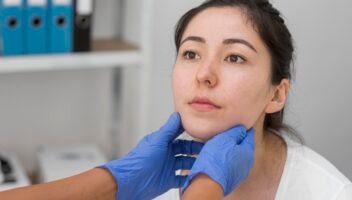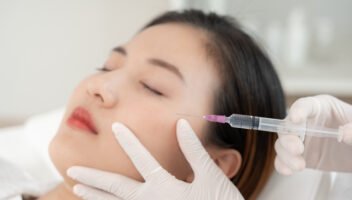
Many international patients exploring aesthetic treatment abroad want a visible, refreshed look without the downtime, scars, or commitment of a surgical facelift, and non-surgical face lifting in Thailand is often considered because the country offers a mature aesthetic medicine market and a wide choice of providers. “Non-surgical lifting” typically refers to focused ultrasound treatments (HIFU and Ultherapy) and absorbable thread lifts, which can tighten skin, refine the jawline, and improve mild-to-moderate laxity; however, they do not replicate the degree of lift achieved with surgery. Results vary by individual case, and a proper consultation is essential to match the right method to your anatomy, timeline, and risk tolerance.
This article explains what non-surgical face lifting in Thailand can realistically achieve, compares HIFU vs Ultherapy vs thread lift, and gives a safety-first framework to help you choose a reputable provider and plan your trip responsibly.
What Non-Surgical Face Lifting in Thailand Can (and Cannot) Do
Non-surgical face lifting in Thailand is best approached as enhancement, not transformation. For the right candidate, these treatments may help with:
- Mild-to-moderate skin laxity (lower face, jawline, under-chin)
- Early jowling and softer jawline definition
- Submental (under-chin) laxity
- Subtle brow or upper-face tightening (device- and anatomy-dependent)
- Skin quality improvements through collagen remodeling (energy-based options)
Where non-surgical face lifting in Thailand is often limited:
- Significant excess skin or heavy, advanced jowls
- Pronounced neck banding (often needs different approaches)
- Very heavy tissue where lift potential is mechanically limited
- Expectations that match a surgical facelift outcome
Many Thailand providers recommend combination plans (e.g., energy-based tightening plus injectables or threads) because single-modality results can be modest.
Consultation reminder: These procedures are operator-dependent and outcomes vary. A thorough assessment with a qualified practitioner is essential before proceeding.
Non-Surgical Face Lifting in Thailand: HIFU vs Ultherapy vs Thread Lift (At-a-Glance Table)
When comparing non-surgical face lifting in Thailand, focus on mechanism, predictability, downtime, and risk profile, not only price.
| Option | Mechanism | Best suited for | Downtime | Results start | Typical longevity* | Key risks | Who should be cautious |
|---|---|---|---|---|---|---|---|
| HIFU (generic focused ultrasound) | Controlled thermal points stimulate collagen remodeling/tightening | Mild laxity; jawline/submental tightening | Minimal | Gradual, often 6–12 weeks | ~6–12 months* | Tenderness, swelling; rare burns; temporary nerve irritation; possible unwanted fat loss in lean faces | Very lean faces; anyone offered unusually low-cost “quick” sessions |
| Ultherapy (MFU‑V with imaging) | Microfocused ultrasound + real-time imaging for precise targeting | Mild–moderate laxity; brow/submental/neck tightening | Minimal | Gradual, ~2–3 months (can continue up to ~6 months) | Often ~12 months* | Similar to HIFU; discomfort can be significant; rare nerve irritation/burns | Lean faces; patients sensitive to discomfort; verify authenticity |
| Thread lift (PDO/PLLA/PCL) | Mechanical repositioning + collagen stimulation during absorption | Mild–moderate laxity needing more visible lift (e.g., jawline) | Mild–moderate bruising/swelling | Immediate lift + gradual refinement | ~6–18 months* | Bruising, puckering; infection; extrusion; asymmetry; contour irregularity | Thin skin (visibility risk); very heavy tissue; travel too soon after procedure |
*Longevity ranges are general expectations reported across clinical practice and literature, not guarantees.
Important Thailand-specific note: “Ultherapy” is a specific branded platform. Many clinics market treatments as “Ultherapy-like HIFU.” If you are paying for Ultherapy, verify the device is authentic and that the protocol matches the manufacturer’s guidelines.
Non-Surgical Face Lifting in Thailand with HIFU: How It Works, Results, and Safety Questions
How HIFU works for non-surgical face lifting in Thailand
HIFU uses focused ultrasound energy to create controlled thermal coagulation points at set depths. This process can stimulate collagen remodeling, leading to gradual tightening.
Common areas treated in non-surgical face lifting in Thailand include:
- Lower face and jawline definition
- Submental (under-chin) area
- Mild brow/upper-face tightening (case-dependent)
HIFU results timeline and durability
- Some people notice early tightness, but meaningful change is usually gradual
- Most visible improvement often develops over 6–12 weeks
- Changes may continue up to 3–6 months
- Longevity is commonly 6–12 months, influenced by device type, settings, anatomy, and lifestyle
Navigating HIFU in Thailand (device variability is the main issue)
The biggest challenge with non-surgical face lifting in Thailand using generic HIFU is that HIFU devices and protocols vary widely. Two clinics may both advertise “HIFU,” but deliver very different treatments.
Questions to ask before booking:
- What is the exact device brand and model?
- How many lines/shots, at what depths, and what is the expected session duration?
- Who performs it (doctor, nurse, therapist), and what training do they have?
- What is the plan if you experience prolonged pain, numbness, or uneven results?
Caution about very low-cost promotions: Extremely inexpensive HIFU packages may reflect reduced coverage, shortened session time, or inconsistent device quality—affecting both outcomes and safety.
HIFU risks and side effects
Common transient effects:
- Redness, swelling, tenderness
- Temporary tingling or sensitivity
Less common but important:
- Burns (rare; more likely with poor technique/device issues)
- Temporary nerve irritation (neuropraxia)
- Unintended fat loss in lean faces (can reduce facial softness/volume)
- Patchy or uneven tightening if coverage is inconsistent
Ultherapy Thailand (MFU‑V): What Sets It Apart and How to Verify Authenticity
What makes Ultherapy different in non-surgical face lifting in Thailand
Ultherapy is a branded MFU‑V (microfocused ultrasound with visualization) platform. The defining difference is real-time imaging, allowing the practitioner to visualize tissue layers and improve targeting precision.
For patients comparing non-surgical face lifting in Thailand options, Ultherapy is often perceived as more standardized because of:
- Imaging-guided delivery
- Structured treatment protocols
- A larger published evidence base compared with many generic devices
You can review the FDA’s Ultherapy device information here: https://www.fda.gov/medical-devices/aesthetic-cosmetic-devices/ultherapy
(Always confirm the exact cleared indications and current labeling for your market.)
Best indications for Ultherapy Thailand
Ultherapy is typically used for:
- Mild-to-moderate skin laxity
- Brow lifting (subtle)
- Submental/neck tightening
- Décolletage lines (where offered and appropriate)
Ultherapy results timeline and durability
- Improvements are usually gradual over 2–3 months
- Changes may continue up to ~6 months
- Longevity is often cited around ~12 months, though maintenance and individual aging rates matter
How to verify “Ultherapy” is real in Thailand
If a clinic advertises Ultherapy within a non-surgical face lifting in Thailand plan, ask for:
- The exact system name and proof of authenticity (documentation, device ID, supplier info)
- Whether they follow depth mapping and standardized line counts consistent with manufacturer guidance
- Who performs the procedure and their specific experience with MFU‑V
- Pain management options (topical, oral analgesia, local anesthesia varies by clinic)
Ultherapy risks and side effects
Similar to generic HIFU:
- Temporary redness, swelling, tenderness
- Rare nerve irritation
- Very rare burns
- Potential unwanted volume reduction if energy is mis-targeted in lean facial areas
Thread Lift in Thailand: PDO vs PLLA vs PCL, Realistic Outcomes, and Red Flags
How thread lifts work in non-surgical face lifting in Thailand
Thread lifts use absorbable threads (commonly PDO, PLLA, PCL) placed under the skin to:
- Create an immediate mechanical lift (barbs or cones reposition tissue)
- Stimulate collagen around the thread as it dissolves
In Thailand, thread lifts are frequently marketed for jawline definition and “snatched” contouring. The key is selecting appropriate candidates and an experienced practitioner.
Who tends to do best with thread lifts
Best candidates often have:
- Mild-to-moderate laxity
- Skin quality that can support a repositioning effect
- A desire for a more visible lift than energy-based tightening alone
Caution cases:
- Very thin skin (higher risk of visibility/palpability)
- Very heavy tissue (lift may be limited or short-lived)
Thread lift results timeline and longevity
- Immediate improvement is common
- Refinement continues over weeks as swelling settles and collagen response develops
- Longevity is often 6–18 months depending on thread type, count, technique, and tissue characteristics
- PCL/PLLA are often marketed as longer-lasting than PDO, but outcomes vary and evidence should be discussed during consultation
Downtime and aftercare planning (important for medical travel)
Expect:
- Bruising/swelling for several days
- Soreness and tightness when smiling/chewing early on
Common aftercare guidance (confirm with your provider):
- Avoid facial massage/strong manipulation during early healing
- Follow sleep positioning advice (often avoiding side-sleeping for a period)
- Limit strenuous exercise briefly during early recovery
Complications and red flags
Potential complications include:
- Infection
- Thread extrusion
- Asymmetry or contour irregularity
- Hematoma
- Rare nerve or duct injury
Seek urgent clinical assessment if you have escalating pain, spreading redness, fever, discharge, or worsening asymmetry.
Choosing the Right Non-Surgical Face Lifting in Thailand: A Step-by-Step Decision Framework
Use this structured approach before selecting a clinic or package.
Step 1 — Define your primary goal
- Gradual tightening / texture improvement: HIFU or Ultherapy
- More visible lift (especially jawline): Thread lift (if suitable)
- Neck / under-chin tightening: Focused ultrasound ± adjuncts depending on tissue
Step 2 — Decide how much downtime you can tolerate
- Need minimal social downtime: HIFU / Ultherapy
- Comfortable with bruising/swelling and activity limits: Thread lift may fit
Step 3 — Match your anatomy to the risk profile
- Lean face: discuss risk of unintended fat loss with ultrasound-based options
- Thin skin: discuss thread visibility/palpability risk
- Significant laxity: consider whether non-surgical options will meet expectations; a surgical consult may be more appropriate
Step 4 — Weigh cost against predictability (not just price)
- Generic HIFU: often more accessible, but higher variability
- Ultherapy: higher cost, potentially more standardized due to imaging
- Thread lift: price depends on material, number of threads, and practitioner experience
Combination Protocols for Non-Surgical Face Lifting in Thailand: What Clinics Commonly Propose
Many clinics in Thailand recommend combining treatments because:
- Tightening, lifting, and volume support are different goals
- Staged treatment can look more balanced than over-treating one modality
A common staged concept (example only; not a recommendation):
- If indicated, address under-chin fullness (fat reduction approaches vary)
- Focused ultrasound tightening (HIFU/Ultherapy)
- Thread lift for mechanical repositioning (selected cases)
- Consider filler for structural support (when appropriate)
- Muscle relaxant for jawline refinement (when appropriate)
Questions to ask when offered a combination plan:
- What outcome does each step contribute, specifically?
- Why is the combination appropriate for my anatomy?
- What is the follow-up plan and complication management pathway?
- What is included if additional sessions or corrections are needed?
Safety Checklist for Non-Surgical Face Lifting in Thailand (Provider Quality Matters Most)
All three modalities are highly operator-dependent. In Thailand you may encounter:
- Hospital-based aesthetic centers (often more formal governance)
- Boutique aesthetic clinics (quality varies; due diligence is essential)
- High-volume promotional clinics (can be competent, but marketing may outpace transparency)
Use this checklist before proceeding with non-surgical face lifting in Thailand:
- Confirm who performs the procedure and their credentials/experience
- Ask about sterile technique and a written complication management policy (especially for threads)
- Request standardized before/after photos (consistent lighting/angles/timepoints)
- Ensure clear informed consent covering risks, limitations, and realistic outcomes
- Plan to stay in Thailand long enough for follow-up, particularly after thread lifts
If you want a starting point to explore clinic options and compare profiles, you can browse Thai clinics here: https://doodeena.com/
What the Evidence Says (and How to Read It Responsibly)
When evaluating claims around non-surgical face lifting in Thailand, prioritize:
- Peer-reviewed studies and systematic reviews for MFU‑V (Ultherapy) and absorbable thread lifts
- Realistic endpoints (modest lift, tightening, patient-reported outcomes)
- Transparent adverse event reporting
Regulatory wording should be handled precisely. Ultherapy is widely described as FDA-cleared for certain lifting indications; verify the exact current labeling and indications via the FDA resource:
https://www.fda.gov/medical-devices/aesthetic-cosmetic-devices/ultherapy
Frequently Asked Questions About Non-Surgical Face Lifting in Thailand
Is Ultherapy the same as HIFU?
They use a similar ultrasound-based principle, but Ultherapy is a specific MFU‑V platform with real-time imaging. Not all HIFU is Ultherapy.
How long do results realistically last?
Longevity varies by procedure, device, settings, anatomy, and lifestyle. Typical ranges are provided as guidance, not guarantees.
Do thread lifts look natural—and what causes puckering?
Appropriate patient selection and technique are critical. Early puckering can occur and often settles, but persistent irregularity should be reviewed by your provider.
Which is better for jowls, jawline, or neck?
It depends on laxity degree and tissue characteristics. A clinical assessment is necessary to choose the safest and most appropriate approach.
Can these replace a facelift?
Non-surgical face lifting in Thailand can provide meaningful improvement for mild-to-moderate laxity. For significant sagging or excess skin, a surgical consultation may be more appropriate.
Practical Next Steps for Planning Non-Surgical Face Lifting in Thailand
To move forward safely and confidently:
- Shortlist 2–3 reputable providers aligned with your goals
- Verify the exact device (for ultrasound) or thread materials proposed
- Request a written plan including line/shot counts (ultrasound) or thread count/type (threads) and a realistic timeline
- Ask how complications are managed and what follow-up is included
- Build travel around adequate recovery—especially if choosing threads
Doodeena’s role is to help you navigate non-surgical face lifting in Thailand with structure and transparency—coordinating communication with vetted providers, clarifying what’s included, and ensuring the right questions are answered before you commit.