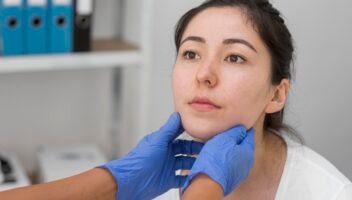
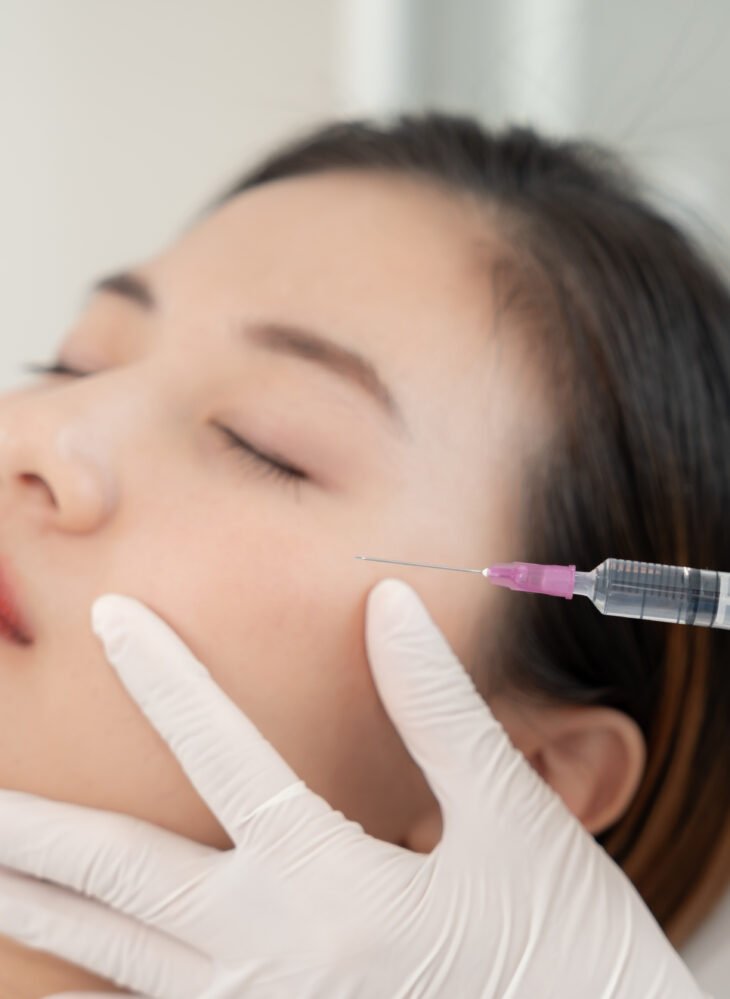
Thailand has become a prominent destination for aesthetic medicine in Southeast Asia, supported by high patient volumes, internationally trained clinicians, and pricing that is often lower than many Western markets—but the Botox landscape is not “one price fits all.” If you’re comparing options, the real differentiators are provider credentials, product authenticity, transparency around dosing, and aftercare—not the lowest headline offer. This guide explains how Botox pricing typically works in Thailand, which brands you may encounter, how to reduce risk, and how to plan treatment sensibly if you’re travelling.
This article will walk you through Botox basics, real-world pricing models, brand differences, safety checks, clinic selection, what to expect at an appointment, and travel planning—so you can make an informed, safety-first decision.
- Most actionable takeaway: choose a licensed facility with a licensed physician injector, and insist on brand + lot/batch transparency before you proceed.
- Most common mistake: comparing “price per unit” across different brands (units are not interchangeable).
- Most important red flag: unusually low pricing paired with refusal to show packaging, disclose dose, or provide documentation.
Botox in Thailand: What Is Botox—and What Does It Actually Treat?
“Botox” is often used as a generic word, but Botox® is a specific brand of botulinum toxin type A (onabotulinumtoxinA). Many clinics advertise “Botox” while using other botulinum toxin type A products.
Botulinum toxin type A is a prescription biologic used in both cosmetic and medical settings. That medical context matters—it’s not a casual commodity.
Common cosmetic treatment areas include:
- Forehead lines
- Glabellar lines (frown lines between the brows)
- Crow’s feet (outer eye lines)
Medical uses (to underline seriousness and screening needs) may include:
- Excessive sweating (hyperhidrosis)
- Migraine management
- Muscle spasticity
Timeline expectations (helpful when planning around travel):
- Onset: typically ~2–7 days
- Peak effect: typically ~1–2 weeks
- Duration: typically ~3–4 months (varies by dose, muscle strength, product, and individual factors)
Consumer dosing literacy (not a prescription): clinics may discuss ranges such as forehead ~10–20 units, glabella ~15–25 units, and crow’s feet ~6–12 units per side, but your appropriate dose depends on your anatomy and the injector’s technique. “Per-area packages” can obscure how many units you actually receive.
Botox in Thailand Pricing: How Pricing Works—and Why It Varies So Much
There is no single national price for Botox in Thailand. Price dispersion is normal—and often meaningful—because several variables change the real cost and value.
Botox in Thailand pricing model #1: Per-unit pricing
Per-unit pricing is usually more transparent if the clinic clearly states:
- The exact brand
- The planned number of units
- Documentation on what was administered
This model makes comparisons easier within the same brand.
Botox in Thailand pricing model #2: Per-area pricing
Per-area pricing can be simpler for patients, but it may obscure:
- Total units used
- Whether the “area” is under-dosed
- Whether the product was diluted more than expected
Practical rule: even if you’re quoted “per area,” ask the clinic to document units per area.
What drives Botox prices in Thailand?
Expect variation based on:
- Brand (originator vs. alternatives)
- Clinic tier (international hospital vs. established aesthetic chain vs. local clinic)
- Location (Bangkok vs. tourist-heavy regions such as Phuket or Pattaya)
- Injector credentials (physician specialist vs. non-specialist)
- Authenticity controls (traceable sourcing, cold-chain handling, documentation)
Important perspective: extremely low advertised pricing can be a warning sign—potentially reflecting underdosing, over-dilution, or grey-market/counterfeit product rather than “better value.”
Botox in Thailand Brands: What You May Encounter—and Why Units Aren’t Interchangeable
In Thailand, you may see a mix of global originators and widely used regional brands. The key consumer risk is assuming all “units” are equivalent across products.
Botox in Thailand: common brands you may hear about
- Botox® (onabotulinumtoxinA) – originator brand, often premium priced
- Dysport® (abobotulinumtoxinA) – different unit potency; not a 1:1 match with Botox units
- Xeomin® (incobotulinumtoxinA) – different formulation characteristics
- Korean botulinum toxin brands (commonly used across Asia): e.g., Nabota®, Botulax®, Neuronox®
- These can be legitimate products when properly sourced and used within local regulatory frameworks, but patient familiarity varies.
The critical comparison mistake
- “Price per unit” is only meaningful within the same brand.
- Comparing Botox® units to Dysport® units as if they are identical can mislead cost/value comparisons.
What to ask before you agree to treatment (bring this checklist)
- Exact brand name (ask to see the box/vial)
- Planned unit count per area
- Lot/batch number (and request it on your receipt/record)
- Name and credentials of the injector
Botox in Thailand Safety and Regulation: What Patients Need to Know
When performed by a qualified injector using verified product, Botox has a risk profile similar to other well-regulated clinical settings. The primary concern in high-demand markets is typically product authenticity and handling, not the concept of the treatment itself.
Botox in Thailand: what can go wrong with unverified product
Risks may include:
- Too little active ingredient (no effect)
- Contamination risks
- Improper cold-chain storage
- No traceability if there’s a recall or adverse event
How reputable clinics demonstrate authenticity
Look for clinics that are willing to:
- Show the sealed box and labeled vial before reconstitution
- Provide or document the lot/batch number
- Explain storage and handling (cold-chain) practices
- Provide a written record of what was administered
Who should inject Botox in Thailand?
Best practice is a licensed physician, ideally with dermatology or plastic surgery training. Facial anatomy and complication management matter—especially for issues such as eyelid drooping (ptosis) or significant asymmetry.
For additional safety context on botulinum toxin products, see the U.S. FDA safety communication:
Botox in Thailand Clinic Selection: A Practical Framework to Choose a Reputable Provider
If you’re nervous about doing Botox abroad, a structured selection process reduces risk and uncertainty.
Botox in Thailand: clinic evaluation criteria (ranked)
- Licensed facility + licensed physician injector
- Brand transparency (shows packaging + lot number)
- Clear dosing plan (units per area) + documented consent
- Aftercare process + follow-up at ~2 weeks + touch-up policy stated
- Reviews that mention communication and transparency, not just price
Botox in Thailand: red flags to walk away from
- Prices far below local norms with no clear explanation
- Refusal to disclose brand, dose, or lot number
- Unclear injector licensing or non-medical setting
- High-pressure sales tactics or “today-only” bundles
Clinic comparison table (copy/paste and use)
| Clinic | Location | Injector credentials | Brand used | Pricing model (unit/area) | Planned units per area | Lot number shown? | Follow-up (~2 weeks) | Touch-up policy | Total estimate |
|---|---|---|---|---|---|---|---|---|---|
Helpful directory for discovery (internal navigation)
If you want a starting point to browse clinics by location and procedure in Thailand, you can explore:
(Always verify licensing, injector credentials, and product transparency directly with any clinic you shortlist.)
Botox in Thailand Appointment: What Happens Step-by-Step
Knowing the process in advance helps you arrive calm and prepared.
Step 1: Consultation and assessment
A proper consult typically includes:
- Facial movement analysis (rest + expression)
- Discussion of goals (natural vs. stronger smoothing)
- Medical history review (including neuromuscular conditions, pregnancy/breastfeeding status, and medications)
Step 2: Consent and treatment plan
Expect clear explanation of:
- Product brand and planned dosing approach
- Expected onset/duration and limitations (results vary)
- Potential side effects and alternatives
- Documentation and what you’ll receive as a treatment record
Step 3: Procedure
Typical flow:
- Cleansing and optional marking
- Small injections in targeted points
- Often 5–15 minutes (excluding consultation)
Step 4: Aftercare and follow-up
Clinics commonly advise:
- Avoid rubbing or massaging treated areas for the period advised
- Avoid strenuous exercise on the day of treatment (clinic-specific guidance varies)
- Schedule a follow-up at around 2 weeks to assess symmetry and effect
Botox in Thailand Side Effects: What’s Normal vs. When to Seek Help
Most patients experience minimal downtime, but it’s still important to understand what can happen.
Common and typically mild
- Localized bruising or swelling
- Temporary soreness
- Headache
- Temporary asymmetry during the “settling” period
Notable complications to understand
- Eyelid or eyebrow ptosis (drooping) if diffusion/placement is imprecise
- Over-treatment leading to a “frozen” look
- Smile asymmetry depending on injection site
Key risk factors for adverse outcomes
- Undertrained or unlicensed injector
- Incorrect dosing/dilution approach
- Counterfeit/grey-market product
- Poor screening or unclear expectations
When to seek medical attention
Seek urgent medical care if you experience:
- Severe or worsening swelling beyond the first few days
- Significant eyelid drooping that concerns you
- Difficulty swallowing, speaking, or breathing
- Any systemic or unexpected symptom that feels serious
Botox in Thailand Travel Planning: Medical Tourism Considerations
Timing and documentation matter more when you’re travelling internationally.
Timing your Botox in Thailand during a trip
- Book injections early in your stay to allow onset and initial settling before departure.
- If you’ll be in Thailand for 2+ weeks, consider planning for a follow-up assessment before you leave.
Documentation to request (important for continuity of care at home)
Ask for a written record stating:
- Brand name
- Lot/batch number
- Units administered per area
- Injection sites (if provided)
- Injector name and license details (where available)
Combining treatments: do it thoughtfully
Many clinics offer combination protocols (e.g., Botox with fillers, lasers, HIFU, RF tightening). This can be appropriate for some patients, but it’s generally safer to:
- Avoid making decisions based on bundled pricing
- Use a staged plan based on a proper consultation
- Confirm who is performing each procedure and what products/devices are used
Botox in Thailand Trends: What’s Shaping the Market
A few trends explain why pricing, brand choice, and clinic marketing can feel confusing.
- Growth of Korean toxin brands: Increased availability and price competition; legitimacy depends on verified sourcing and appropriate regulatory status.
- More flash-promo marketing on social platforms: makes verification of product and injector credentials more important, not less.
- Natural-look demand: “baby Botox” and micro-dosing for subtler effects, sometimes with shorter duration.
- Men’s aesthetics growth: including masseter slimming, forehead lines, and hyperhidrosis discussions.
Botox in Thailand FAQs: Safety, Pricing, and Brand Questions
Is Botox in Thailand safe?
When performed by a licensed physician at a reputable, transparent clinic using verified product, Botox can have a comparable risk profile to other well-regulated settings. Safety depends heavily on injector training and product authenticity.
How do I know the product is authentic and not diluted?
Ask to see:
- Sealed packaging and labeled vial
- Lot/batch number
Request that the details are documented on your receipt or treatment record.
Should I pay per unit or per area in Thailand?
Per-unit pricing is often more transparent if brand and dosing are clearly documented. Per-area pricing can still be acceptable if the clinic will document the unit count per area and the product details.
Which brand is best: Botox®, Dysport®, Xeomin®, or Korean brands?
There’s no universal “best.” Brand selection should reflect the clinician’s experience, your treatment history, and—most importantly—verified sourcing. A proper consultation is essential.
How long does Botox last and when will I see results?
Effects often start in ~2–7 days, peak around ~1–2 weeks, and may last ~3–4 months. Individual results vary.
Can I fly after Botox?
There’s typically no absolute restriction on flying, but you should follow the clinic’s aftercare guidance—especially for long-haul travel planning.
Botox in Thailand: A Simple Action Plan for Safety-First Patients
- Shortlist only licensed, physician-led clinics and confirm who will inject.
- Insist on transparency: brand name, units planned, and lot/batch documentation.
- Plan around travel: schedule early, and aim for a follow-up if your itinerary allows.
If you want structured, discreet support comparing reputable options, a medical tourism coordinator can help you navigate clinic verification, documentation, and aftercare planning—without chasing headline prices or taking unnecessary risks.
External reference (safety): https://www.fda.gov/drugs/postmarket-drug-safety-information-patients-and-providers/botulinum-toxin-type-products-safety-communication